
What Amsterdam is known for
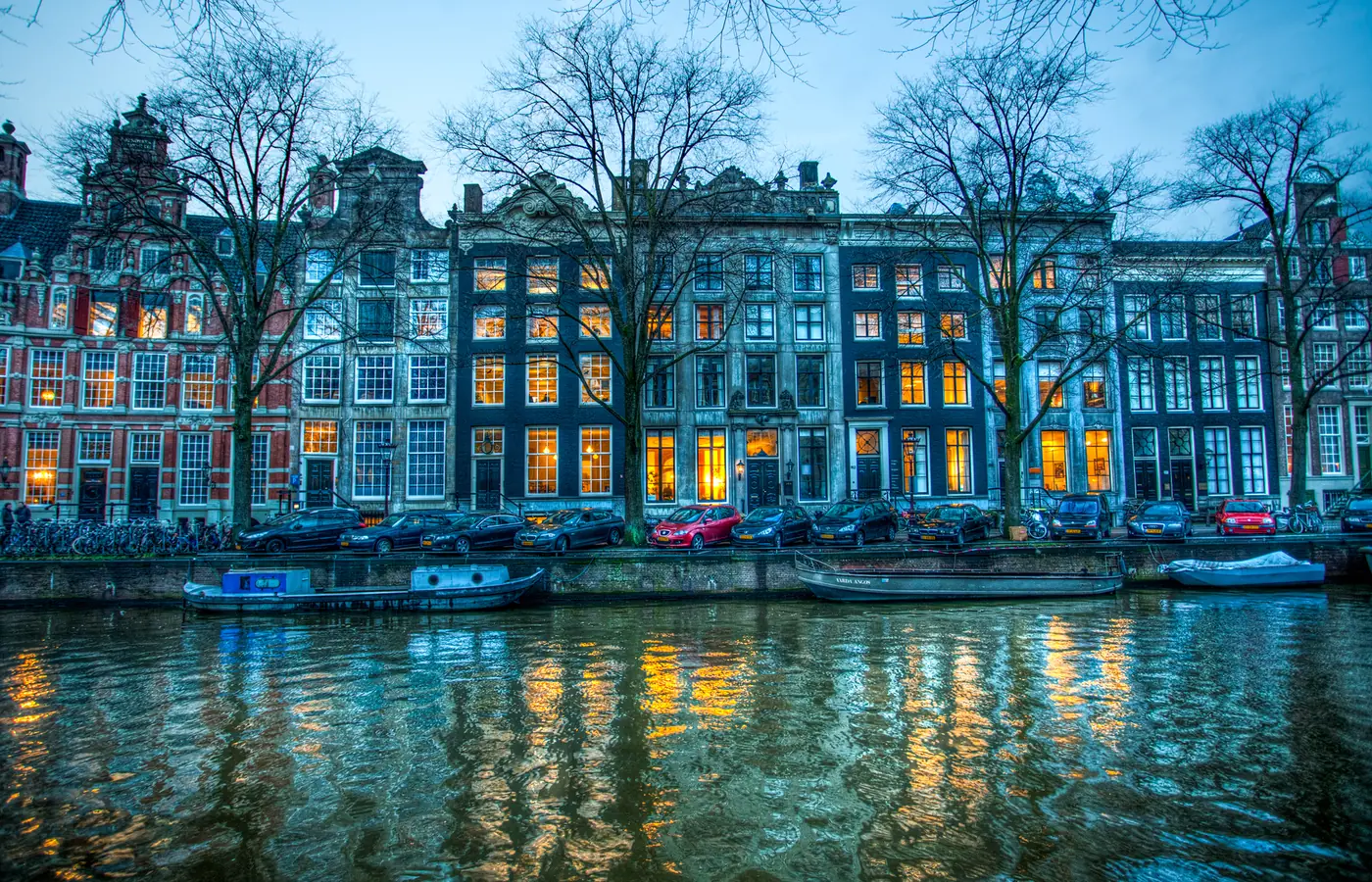
Amsterdam is known for its intricate network of canals, tall brick townhouses with decorative gabled roofs, and an everyday cycling culture that animates its streets. Water defines the layout of the city, reflecting stone bridges and tree-lined quays where locals go about their routines on foot and by bicycle.
Travellers are drawn to the city's balance of historic preservation and easy-going urban life. It offers world-renowned art collections, peaceful green parks, and open pedestrian areas, creating an inviting setting that feels distinct from many other European capitals.
A short history
The settlement originated in the late 12th century as a modest fishing village along the river Amstel. Workers constructed a protective dam to hold back the tidal waters, giving the early community its original name, Amstelredam.
By the 1600s, Amsterdam had evolved into a dominant global trading hub during the Dutch Golden Age. Wealth generated through international maritime trade funded the ambitious construction of the concentric canal ring, known as the Grachtengordel, along with stately merchant houses and waterfront warehouses.
The 19th and early 20th centuries brought renewed industrial expansion, new railway links, and the construction of cultural landmarks such as the central station and major museums. The city endured severe hardship during the Second World War under foreign occupation, a solemn period recorded in memorials and historic sites across the centre.
In the decades after the war, Amsterdam chose to limit urban car traffic, redesigning streets to favour bicycles, pedestrians, and public transit. Today, the historic core preserves its seventeenth-century maritime layout while supporting a modern, creative community.
Neighbourhoods
The canal ring forms the core of the historic centre, where quiet waterways like Herengracht, Keizersgracht, and Prinsengracht flow past rows of centuries-old brick townhouses. Immediately to the west, the Jordaan district features narrow streets, hidden almshouse courtyards known as hofjes (most closed to the public), and small art galleries in what was once a traditional working-class area.
South of the central canals, De Pijp offers a lively streetscape shaped by residential terraces and the bustling outdoor stalls of the Albert Cuyp Market. North across the IJ waterfront, Amsterdam Noord presents an open, post-industrial setting where old shipyards and warehouses now house creative studios, cultural spaces, and waterside terraces.
Food and drink
Traditional Dutch food focuses on hearty, straightforward flavours alongside dishes influenced by maritime trade history. Street vendors serve warm, caramel-filled stroopwafels, salted raw herring served with diced onions and pickles, and crispy, deep-fried bitterballen paired with mustard. Because of historical ties to Southeast Asia, the Indonesian rijsttafel—a banquet composed of numerous small, fragrant, and spiced dishes shared around the table—has become an essential part of the local dining scene.
Music, arts and culture
The city maintains an enduring dedication to music, visual arts, and performance. The Royal Concertgebouw is internationally recognized for its exceptional acoustics and classical symphony performances, while historic collections preserve centuries of work by Dutch masters such as Rembrandt and Johannes Vermeer. During the warmer months, public parks and community plazas frequently host outdoor theatre, classical concerts, and open-air arts gatherings.
Top things to do
Much of Amsterdam's cultural life revolves around the Museumplein, an expansive green square bordered by the Rijksmuseum, the Van Gogh Museum, and the Stedelijk Museum of modern art. A short walk along the Prinsengracht canal leads to the Anne Frank House, where the preserved secret annex provides an important, moving insight into the wartime experiences of the Frank family.
Wandering along the canals on foot or seeing the city from the water provides a fresh perspective on the architecture and leaning merchant facades. Visitors can also stroll the walking paths of Vondelpark or seek out the Begijnhof, an enclosed medieval courtyard that offers a quiet sanctuary right in the middle of the city.
Day trips
The Netherlands' compact rail network makes exploring nearby towns and countryside straightforward. The historic city of Haarlem, known for its cobbled market square and medieval Grote Kerk, is a short train ride away. Travellers can also take an easy day trip to The Hague to view government palaces and major art collections, head to Utrecht to see its unique two-tiered canal wharves, or explore the preserved wooden houses and historic windmills at Zaanse Schans.
Before you go
Entry rules and travel advice can change. Confirm details with official sources, including the Government of Canada's advice for the Netherlands, before you go.
Best time to go
Late spring through early fall is the usual canal-walking and cycling season; summers can be busy. Winters are cool and damp, with short days, and canals rarely freeze in a way you can count on. Rain is possible in any month.
Getting there from Canada
Flights from Canada typically arrive at Amsterdam Airport Schiphol, including nonstops from several Canadian cities. Official trains run from the airport to Amsterdam Centraal in minutes. The historic centre is then walked or reached by tram, bike or canal ferry.
Official travel advice
Read the Government of Canada's Netherlands travel advice before you go. Rules and conditions can change.
Search flights, cars, tours and airport rides under Plan your trip below. Checkout is on the partner's site.