
What Cancun is known for
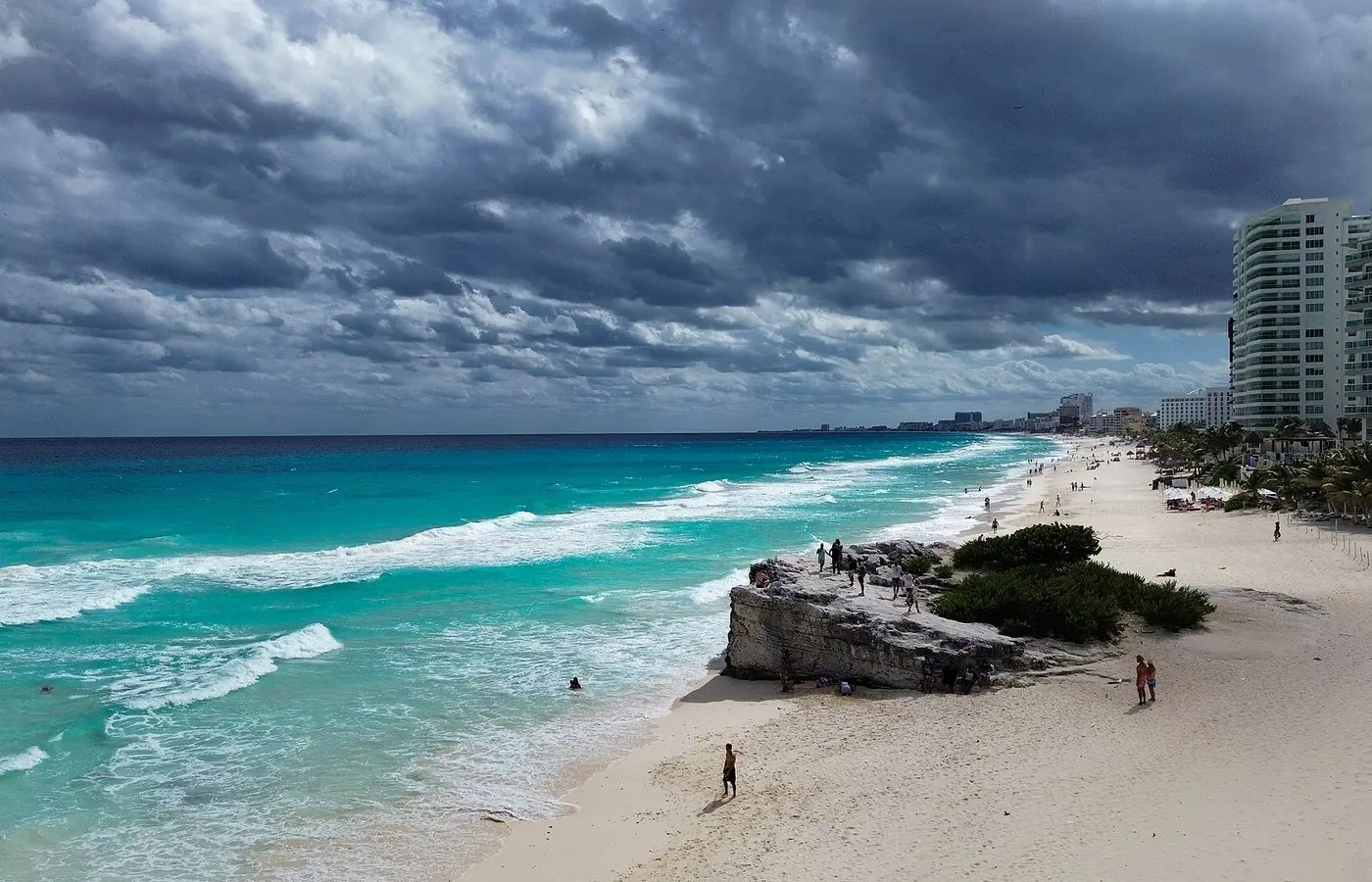
Cancun is widely recognized for its bright turquoise Caribbean waters, powdery white-sand beaches, and purpose-built resort amenities. Situated on the northeastern tip of Mexico's Yucatán Peninsula, the city's coastal strip sits on a narrow barrier island that separates the open sea from the sheltered Nichupté Lagoon, drawing travellers seeking sunshine, water sports, and seaside relaxation.
Beyond its resort shoreline, Cancun serves as an accessible entry point to the cultural and natural heritage of the Maya world. The city pairs modern tourism infrastructure with traditional Mexican markets, regional Yucatecan cuisine, and convenient access to ancient archaeological settlements across Quintana Roo.
A short history
Long before modern resort development, Maya communities inhabited this coastline. During the post-classic Maya period, maritime trade routes linked coastal ports, and residents built stone lookouts and temples at sites such as El Rey and San Miguelito to aid navigation and commerce.
Following Spanish arrival in the 16th century, the barrier island remained sparsely populated, marked on historical charts under variants of the Maya name "Kankun," commonly translated as "nest of snakes." For centuries, the sand spit remained largely quiet, used only periodically by local fishers and seasonal coconut plantation workers.
In 1970, the Mexican federal government chose the area to construct a master-planned international resort destination designed to diversify the national economy and create regional jobs. Engineers and workers cleared tracks through the coastal mangrove swamps, bridged the island to the mainland, and established an international airport.
Over subsequent decades, Cancun expanded rapidly from a modest construction camp into one of Mexico's major metropolitan areas. Today, it supports a large year-round population on the mainland while welcoming millions of international visitors along its hotel corridor each year.
Neighbourhoods
The city divides into two primary areas: the Zona Hotelera and downtown Cancun, commonly known as El Centro. The Zona Hotelera extends along Boulevard Kukulcán on the barrier island, characterized by multi-storey resorts, marinas, open beaches, and views that overlook both the Caribbean Sea and Nichupté Lagoon.
On the mainland, El Centro provides an authentic rhythm of daily Mexican life away from the resort strip. Neighbourhoods surrounding Parque Las Palapas feature quiet residential streets, small public squares, handicraft markets, and open-air food stalls where local families gather in the evenings.
Food and drink
Dining in Cancun reflects the distinct culinary traditions of the Yucatán Peninsula, blending indigenous Maya techniques with European citrus and spices. A staple dish is cochinita pibil, tender pork marinated in bitter orange juice and ground annatto seed, wrapped in banana leaves and slow-roasted. Fresh seafood plays a central role along the coast, appearing in dishes such as ceviche tossed with lime juice, red onion, and habanero chiles, as well as whole fish fried with garlic. Refreshing regional drinks include horchata, a sweetened rice and cinnamon beverage, and agua de chaya, prepared with the leaves of a native shrub.
Music, arts and culture
Cancun presents a mix of Mexican regional arts, folkloric performance, and classical Maya heritage. Evenings in public parks frequently feature mariachi ensembles, traditional marimba musicians, and folk dancers wearing embroidered regional dress. Local artisan markets offer hand-woven hammocks, colourful Talavera ceramics, and silver crafts brought from across Mexico. Community cultural centres host rotating exhibitions by regional artists whose works draw inspiration from Caribbean coastal environments and ancient mythology.
Top things to do
Spending time along the public coastline is central to any visit. Beaches such as Playa Delfines offer panoramic coastal views, while Playa Tortugas features gentle water conditions suitable for casual swimming. Swimmers and snorkelers can also explore sections of the Cancun Underwater Museum of Art (MUSA), a collection of submerged artificial reef sculptures created to promote marine conservation.
Within the hotel zone, travellers can visit the El Rey Archaeological Zone to view the stone foundations and ceremonial platforms of ancient Maya structures. Directly nearby, the Maya Museum of Cancun exhibits pre-Columbian artefacts recovered from across the Yucatán Peninsula, alongside the shaded ruins of the San Miguelito settlement.
Day trips
A short ferry ride across the bay leads to Isla Mujeres, a relaxed island known for shallow beaches and coral reef snorkeling. Inland and within a day's drive, travellers can reach Chichén Itzá to see the towering El Castillo pyramid and ancient ball courts of the classic Maya era. Along the southern coast, the cliff-top fortress ruins of Tulum overlook the Caribbean Sea, while freshwater limestone sinkholes, known as cenotes, offer clear jungle pools for swimming across the mainland.
Before you go
Entry rules, health notices and beach conditions change. Confirm details with official sources, including travel advice from the Government of Canada, before you go.
Best time to go
The dry, milder winter (roughly December to April) is the usual season from Canada. Summer is hotter and wetter. The official Atlantic hurricane season, which includes the Caribbean and the Gulf of Mexico, runs from 1 June to 30 November (U.S. National Hurricane Center).
Getting there from Canada
Flights from Canada often arrive at Cancun International, including seasonal and year-round nonstops from several Canadian cities, otherwise via a connection. The hotel zone is a drive from the terminal; downtown Cancun is a separate area on the mainland.
Official travel advice
Read the Government of Canada's Mexico travel advice before you go. Rules and conditions can change.
Search flights, cars, tours and airport rides under Plan your trip below. Checkout is on the partner's site.