
What Montego Bay is known for
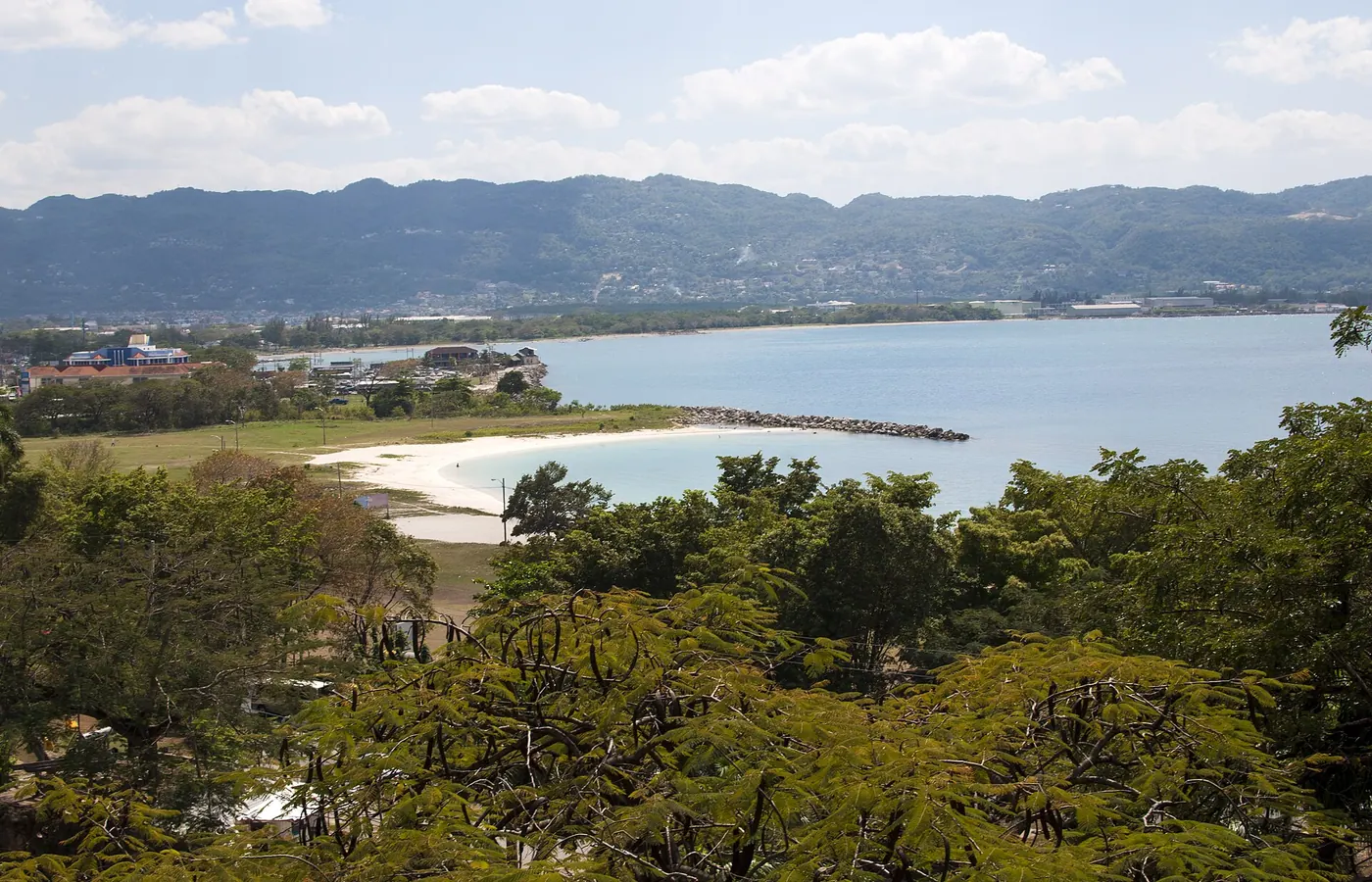
Often called MoBay by locals, Montego Bay is widely regarded as Jamaica's second city and the primary tourism hub of the north coast. It offers calm turquoise waters, protected coral reefs, and white-sand beaches set against a backdrop of green tropical hills.
The city combines resort relaxation with the energy of an active Caribbean port town. Canadian travellers come to unwind along the shore, try snorkelling in the marine park, and use the city as a practical base for exploring the western half of the island.
A short history
Before European arrival, indigenous Taíno peoples inhabited settlements along the bay. Christopher Columbus sailed into the natural harbour in 1494, naming it the Fair Weather Gulf. Under Spanish control during the sixteenth century, the settlement became known as Bahía de Manteca, or Butter Bay, due to its trade in wild hog lard.
The British seized Jamaica in 1655, transforming Montego Bay into a major port for shipping sugar, rum, and molasses harvested by enslaved workers. The area became central to the fight for emancipation, most notably during the Christmas Rebellion of 1831 led by Baptist preacher Samuel Sharpe. His resistance played a key role in accelerating the British abolition of slavery in the 1830s.
During the twentieth century, the town shifted away from agricultural exports toward international travel. The opening of bathing clubs along the coast and the construction of an international airport helped establish Montego Bay as one of the primary leisure destinations in the Caribbean.
Neighbourhoods
Downtown Montego Bay centres on Sam Sharpe Square, a busy civic space lined with historic stone architecture, local markets, and commercial street life. Along the waterfront runs Jimmy Cliff Boulevard, traditionally known as the Hip Strip, where public beaches, open-air craft markets, and seaside walkways draw daytime strollers.
To the east of town, districts like Ironshore and Rose Hall stretch along coastal ridges overlooking the sea. These neighbourhoods feature residential villas, manicured golf fairways, and historic plantation grounds spread out from the denser town centre.
Food and drink
Jamaican cooking revolves around rich seasonings, slow-cooking techniques, and fresh coastal ingredients. Jerk chicken and pork, seasoned with allspice and Scotch bonnet peppers before smoking over pimento wood, are local staples served with rice and peas or fried festival dough. Breakfast frequently features the national dish of ackee and saltfish paired with boiled green bananas, while fresh coconut water and local rums remain favourite refreshments.
Music, arts and culture
Music is an everyday fixture in the city, with reggae and dancehall sounds carrying across outdoor venues and beachfront promenades. Montego Bay has hosted major summer gatherings like Reggae Sumfest for decades, drawing musicians from across the country. In town, the Montego Bay Cultural Centre displays national fine art, regional wood carvings, and exhibits detailing the social history of western Jamaica.
Top things to do
A visit to the beach is at the heart of the Montego Bay experience. Doctor's Cave Beach is famous for its clear, calm water — long said, in local lore, to be fed by mineral springs. Nearby, the Montego Bay Marine Park protects coastal reefs and seagrass beds that are ideal for swimming and snorkelling.
Travellers interested in island history can tour the historic great houses situated on the hills outside town. Rose Hall Great House provides guided tours that cover eighteenth-century plantation life and island folklore, while Greenwood Great House contains an extensive public collection of antique musical instruments, nineteenth-century furniture, and rare colonial books.
Day trips
Several notable Jamaican landscapes are an easy day trip from the city centre. To the east, the Martha Brae River offers peaceful bamboo raft trips steered through shaded forest corridors. Further inland to the south, the limestone karst hills and deep valleys of Cockpit Country provide rugged territory for guided nature hikes, while the coastal town of Negril lies within a day's drive to the west.
Before you go
Entry rules, health notices and travel advice can change. Confirm details with official sources, including the Government of Canada's advice for Jamaica, before you go.
Best time to go
The drier season is often mid-December to April; May to November is wetter and overlaps the official Atlantic hurricane season. Official travel advice for Jamaica should be read in full before you book, including any regional advisories.
Getting there from Canada
Flights from Canada often arrive at Sangster International, including nonstops from several Canadian cities in season. The airport is right by the coast, east of the town; many hotels lie along the tourist corridor.
Official travel advice
Read the Government of Canada's Jamaica travel advice before you go. Rules and conditions can change.
Search flights, cars, tours and airport rides under Plan your trip below. Checkout is on the partner's site.