
What Prince Edward Island is known for
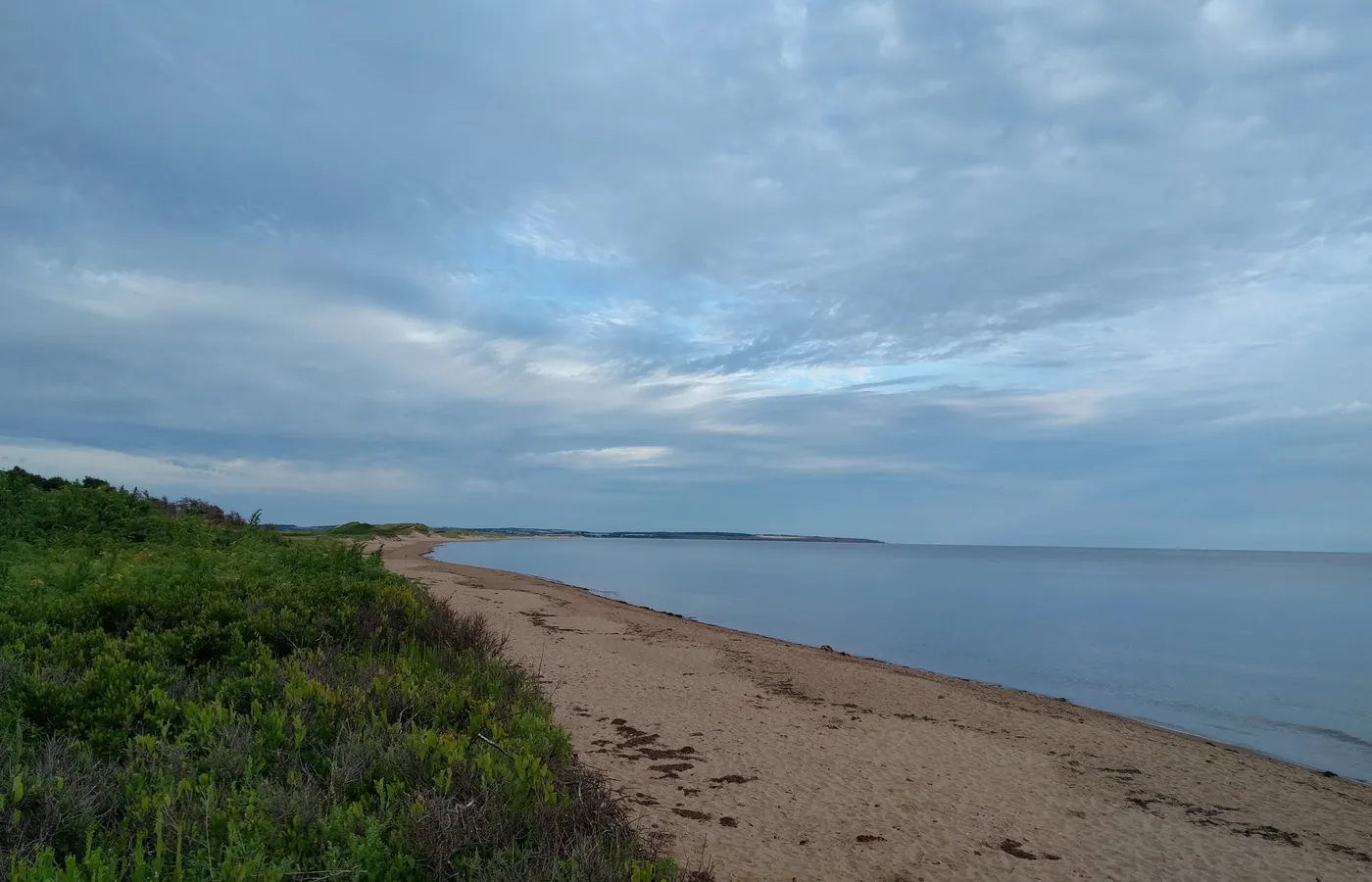
Prince Edward Island is known across Canada for its pastoral landscape of rolling green hills, red sandstone cliffs, and soft sand beaches. The province's distinct red soil, coloured by iron oxide, borders emerald farmland and the blue waters of the Gulf of St. Lawrence. It offers a relaxed coastal rhythm where farming and fishing remain closely tied to daily life.
The island is also celebrated as the setting of Lucy Maud Montgomery's 1908 novel, Anne of Green Gables, which draws readers from around the world. In Canadian history, it holds a central place as the site of the 1864 Charlottetown Conference, earning the province its title as the Cradle of Confederation.
A short history
The Mi'kmaq people have lived on the island for thousands of years, naming it Epekwitk, which translates roughly to 'cradled on the waves.' French colonists settled the land in the early 1700s as part of Acadia, calling it Île Saint-Jean. During the Seven Years' War, many Acadian residents were deported, and Britain gained formal control of the island in 1763, later renaming the colony in honour of Prince Edward, Duke of Kent.
In September 1864, elected leaders from across British North America gathered at Province House in Charlottetown to discuss a maritime union, which quickly broadened into discussions of Canadian confederation. While the initial talks succeeded, Prince Edward Island opted not to join the new dominion upon its creation in 1867, citing financial concerns and local interests.
A severe debt crisis caused by railway construction eventually pushed the colony to enter Canadian Confederation in 1873. Over the subsequent century, family farms, oyster harvesting, and lobster fisheries formed the backbone of the island's economy. The opening of the Confederation Bridge in 1997 connected the province directly to mainland New Brunswick, making travel and trade much simpler while preserving the island's quiet maritime character.
Neighbourhoods
Charlottetown's historic downtown core centres around Victoria Row and Great George Street, where pedestrian-friendly brick sidewalks pass Victorian-era brick buildings, leafy public squares, and harbour paths. To the west, the smaller city of Summerside features tree-lined residential avenues filled with well-preserved nineteenth-century homes and a working waterfront district.
Along the north shore, villages such as Cavendish and North Rustico present classic maritime coastal living. Here, colourful fishing harbours, wooden boardwalks, and lighthouses sit alongside wide saltwater beaches and high sand dunes. Further inland, agricultural communities across Queens, Kings, and Prince counties remain defined by quiet crossroads, white wooden churches, and red clay roads.
Food and drink
Prince Edward Island's cuisine relies directly on local waters and rich agricultural soil. Atlantic lobster, Malpeque oysters, and cultured blue mussels are island staples, served simply steamed or as part of long-standing community hall lobster suppers. Russet potatoes appear on nearly every local dinner table, alongside regional dairy butter, seasonal berry pies, and craft ciders and beers produced in small farm-based operations across the province.
Music, arts and culture
Island culture brings together Mi'kmaq, Acadian, Celtic, and British traditions. Ceilidhs and kitchen parties are held throughout the summer in community centres and parish halls, featuring traditional fiddle playing, storytelling, and energetic step dancing. In Charlottetown, the Confederation Centre of the Arts hosts professional stage productions and Canadian visual art exhibitions, while literary museums commemorate the enduring influence of author L.M. Montgomery.
Top things to do
Visitors spend unhurried days exploring Prince Edward Island National Park, which protects ocean shoreline, sand dunes, and red sandstone headlands along the northern coast. Nearby, Green Gables Heritage Place in Cavendish lets guests walk through the historic farmhouse, gardens, and woodland trails that inspired the Anne of Green Gables stories.
In downtown Charlottetown, the waterfront walkways and the historic buildings along Great George Street offer a tangible connection to nineteenth-century Canadian political debates. Travellers can also walk or cycle sections of the Confederation Trail, a peaceful recreation path developed along an abandoned railway line that crosses the entire province from coast to coast.
Day trips
Exploring beyond central Prince Edward Island is an easy day trip by car. Heading east leads travellers to the squeaking sands of Basin Head Provincial Park and the windswept views of East Point Lighthouse, where meeting ocean tides collide offshore. A scenic drive west takes visitors toward North Cape to see the meeting of ocean waters, the long rock reef, and the wind energy installations, or down to the traditional Acadian villages and artisan shops surrounding Egmont Bay.
Before you go
Confirm park hours, bridge and ferry details with official sources before you go. We don't list fees or schedules here.
Atlantic trips often also include Halifax or St. John's.
Best time to go
Late June through September is the usual beach and lobster-supper season; July and August are the busiest. Fall can be quieter and still mild. Winter is cold, and some seasonal roads, ferries of the past, and visitor services close. Confederation Bridge is year-round; the ferry and the seasonal bridge-or-ferry plan should be checked officially.
Getting there from Canada
Flights arrive at Charlottetown Airport from other Canadian cities, or you can fly into Moncton or Halifax and continue by road and the Confederation Bridge (or, in season, the ferry between Wood Islands and Caribou, Nova Scotia). A car is the usual way to see the island.
Official travel advice
Travelling inside Canada does not use a country travel-advice page. Use official park, ferry and highway notices where they are mentioned above.
Search flights, cars, tours and airport rides under Plan your trip below. Checkout is on the partner's site.