
What Punta Cana is known for
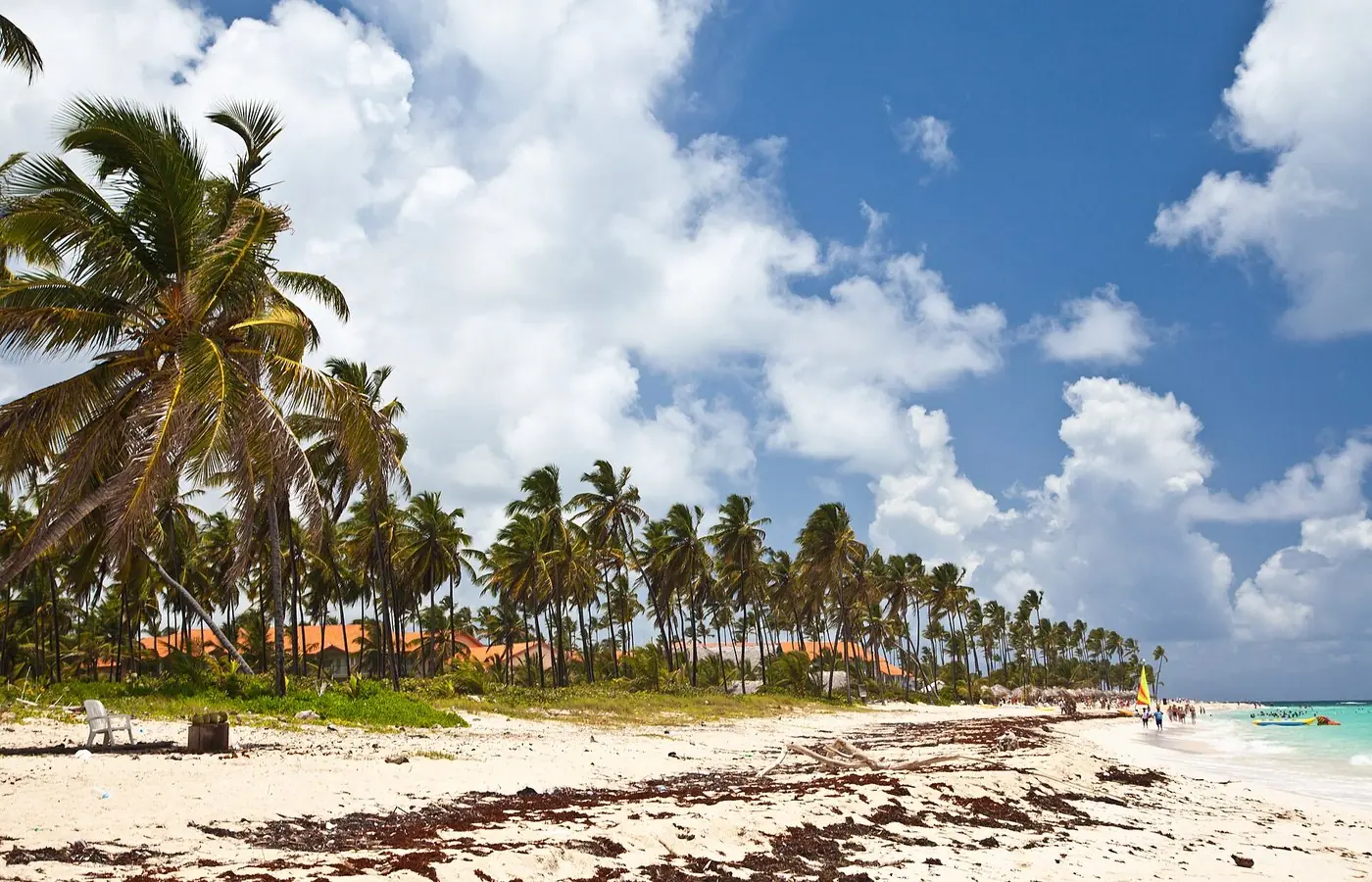
Located on the easternmost tip of the Dominican Republic where the Atlantic Ocean meets the Caribbean Sea, Punta Cana is celebrated for its expansive coastline of pale sand and coconut palms. For Canadian travellers looking to escape cold winters, it offers reliable tropical warmth, steady ocean breezes, and coastal waters sheltered in many areas by offshore coral reefs.
The area functions primarily as an outdoor coastal getaway rather than a traditional city with a central downtown. Life here revolves around open-air activities, calm shorelines, and protected natural reserves where visitors spend their days by the water.
A short history
Long before European arrival, the eastern peninsula of Hispaniola was inhabited by the Taíno people. The territory fell within the cacicazgo of Higüey, where Indigenous communities sustained themselves by fishing the fertile coastal shallows, growing cassava, and navigating the Mona Passage.
Following Spanish colonization in the early 1500s, administrative and economic power concentrated westward in Santo Domingo and fertile inland valleys. For centuries, the far eastern cape remained a sparsely populated wilderness of dense coastal scrub, mangrove wetlands, and isolated fishing outposts.
The turning point arrived in 1969, when a consortium of Dominican and American investors acquired a large tract of undeveloped coastal forest. They named the region Punta Cana and began building small air strips and guest cabins, recognizing the area's potential for coastal recreation.
The opening of Punta Cana International Airport in 1984 made the remote shoreline easily accessible to travellers from around the world. In the decades that followed, the construction of modern highways and expanded air routes turned this quiet stretch of palm groves into a cornerstone of the national economy.
Neighbourhoods
The Punta Cana region spans several coastal districts, each with its own character. Bávaro, situated north of the airport, serves as the liveliest hub, offering continuous stretches of beach alongside outdoor plazas and open-air artisan markets. Nearby, El Cortecito and Los Corales present a slightly more walkable village feel, where residential streets meet local fruit stands and access roads down to the water.
Further south, Cap Cana features limestone bluffs, open golf courses, and quiet shores along Juanillo Beach. Heading north toward Macao and Uvero Alto, the landscape opens into rolling countryside and broad Atlantic beaches known for energetic surf.
Food and drink
Dominican culinary traditions reflect a blend of Taíno, Spanish, and West African influences. The midday staple is la bandera dominicana, a plate consisting of white rice, red kidney beans, and stewed chicken or beef, often served with fried plantains. Along the coast, fresh seafood is widely enjoyed, particularly whole fried red snapper seasoned with oregano, garlic, and lime. Breakfast often features mangú, a smooth mash of green plantains crowned with pickled red onions and accompanied by fried cheese, salami, and eggs. Traditional drinks include local Dominican rum, chilled lager, and mamajuana, an herbal infusion prepared by steeping tree bark and spices in rum, red wine, and honey.
Music, arts and culture
Music is central to daily life in the Dominican Republic, and the rhythms of merengue and bachata provide the background soundtrack to local life. Merengue features quick tempos driven by accordion, tambora drum, and güira, while bachata delivers acoustic guitar melodies and heartfelt storytelling. Local artisans showcase their work in open-air markets, specializing in hand-rolled cigars, carved mahogany, and jewellery made from amber and larimar, a rare blue stone found only in the Dominican Republic.
Top things to do
Relaxing on the beaches is the primary draw for most visitors. Bávaro Beach and Playa Juanillo offer long stretches of soft sand and calm water protected by natural reefs, making them suited for swimming, paddleboarding, and coastal walks. Macao Beach attracts those interested in ocean waves, framed by rugged limestone cliffs at the northern end of the resort strip.
Beyond the sand, the Indigenous Eyes Ecological Park and Reserve protects acres of subtropical forest crisscrossed by walking trails that lead to several freshwater lagoons fed by underground springs. Offshore, catamaran excursions and guided reef dives allow visitors to observe stingrays, parrotfish, and green sea turtles in their natural habitat.
Day trips
An easy day trip inland leads to Higüey, the capital of La Altagracia Province, home to the Basilica Cathedral of Our Lady of Altagracia with its dramatic concrete arch. Boat excursions travel south to Saona Island, a protected territory within Cotubanamá National Park known for shallow natural swimming pools and quiet mangrove channels. Within a day's drive on the southern shore of Samaná Bay, Los Haitises National Park rewards travellers with towering karst islands, coastal rainforests, and historic caves displaying ancient Taíno pictographs.
Before you go
Entry rules, health notices and beach conditions change. Confirm details with official sources, including travel advice from the Government of Canada, before you go.
Best time to go
The Dominican Republic is tropical. The drier months are often winter and early spring; late summer and fall are wetter. The official Atlantic hurricane season is 1 June to 30 November.
Getting there from Canada
Flights from Canada often arrive at Punta Cana International, including seasonal and year-round nonstops from several Canadian cities. The resort area is a spread of hotel complexes, not a single walkable downtown.
Official travel advice
Read the Government of Canada's Dominican Republic travel advice before you go. Rules and conditions can change.
Search flights, cars, tours and airport rides under Plan your trip below. Checkout is on the partner's site.