
What Varadero is known for
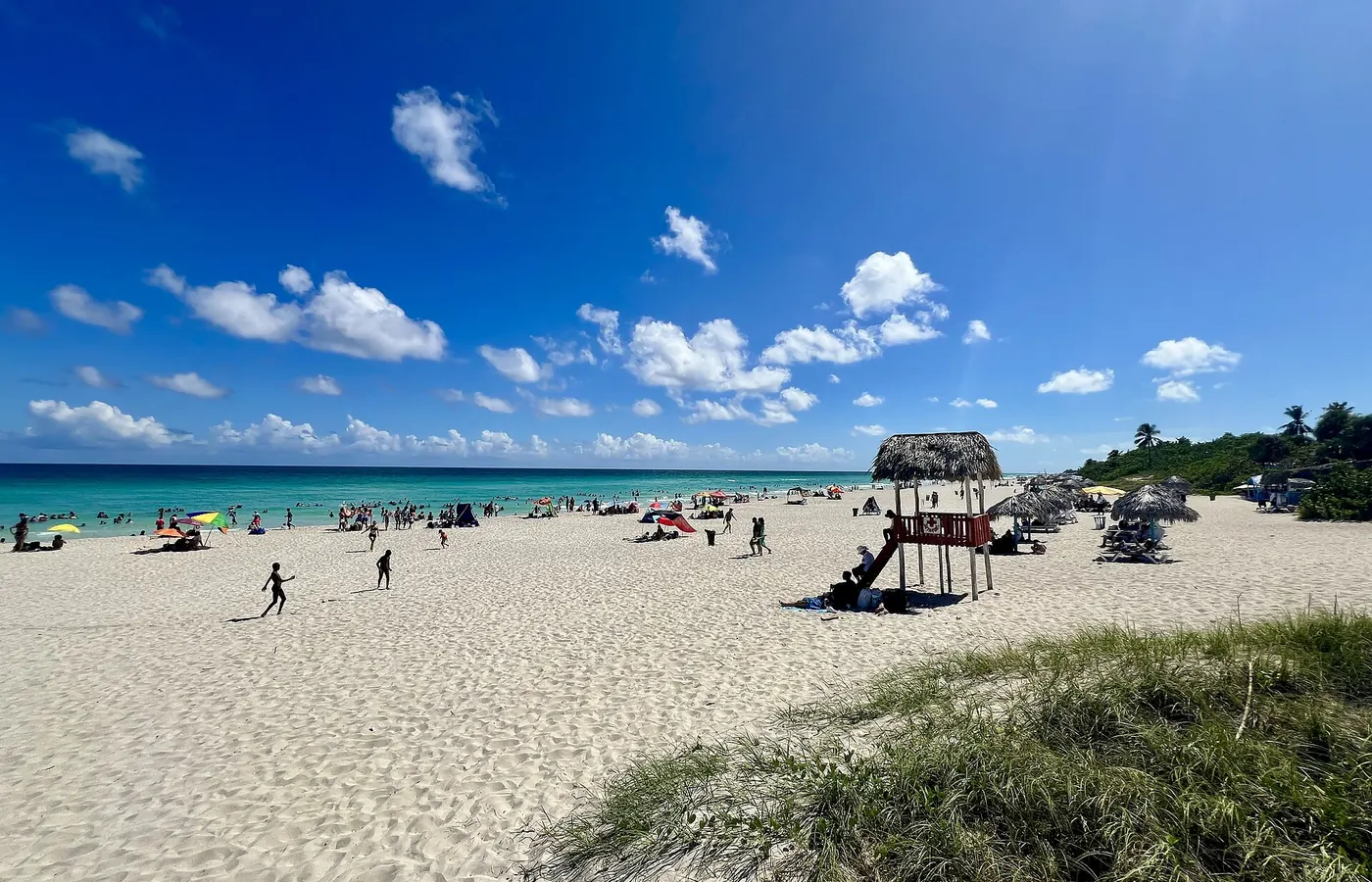
Varadero sits on the narrow Hicacos Peninsula along Cuba's northern shore. It is widely recognized for its continuous stretch of fine white sand and calm, shallow waters that extend for over twenty kilometres. Canadian travellers have long favoured the area for straightforward sun, sea, and relaxation.
Beyond the shoreline, the peninsula balances an easygoing resort environment with glimpses of everyday Cuban life. Breezy coastal avenues, open-air craft markets, and green public parks give the town a laid-back rhythm suited to unhurried strolls.
A short history
Long before resorts arrived, Indigenous Taíno and Ciboney peoples inhabited the Hicacos Peninsula, leaving behind pictographs on cave walls. Spanish seafarers later used the peninsula's coastal inlets as dry docks (varaderos) to repair ships and harvested salt from local salt flats.
The town of Varadero was officially founded in December 1887, when ten families received permission to build vacation homes along the shoreline. By the early twentieth century, families from nearby Cárdenas and Havana established wooden summer residences here, turning the peninsula into a popular seaside retreat.
In the late 1920s, American industrialist Irénée du Pont acquired large tracts of land and built the Xanadú estate, spurring further development. Following the Cuban Revolution in 1959, private beachfronts were made public, and several historic estates were converted into parks and cultural venues.
During the late twentieth century, international tourism expanded across the length of the spit. Modern hotels opened along the eastern coast, while the western town retained its historic houses, street grid, and direct access to the sea.
Neighbourhoods
The peninsula divides into two distinct zones. At the western end, the town of Varadero features a traditional grid arranged by numbered avenues (avenidas) and streets (calles). This area holds early twentieth-century wooden houses, open-air craft markets, and public parks where local residents and visitors mingle.
Heading east toward Punta Hicacos, the landscape opens into a resort corridor. This eastern section borders the Reserva Ecológica Varahicacos, offering quiet stretches of coastline, walking paths through coastal vegetation, and natural limestone formations.
Food and drink
Traditional Cuban cooking across Varadero highlights regional staples such as ropa vieja (braised shredded beef with peppers and onions), roast pork, and moros y cristianos (black beans cooked with white rice). Fresh seafood, particularly red snapper, grouper, and lobster, is commonly prepared on the grill with lime and garlic. Visitors also enjoy classic Cuban drinks made with local cane rum, such as mojitos, daiquiris, and the cuba libre, alongside strong, sweetened espresso served throughout the day.
Music, arts and culture
Music is a constant presence in Varadero, reflecting Cuba's rich artistic traditions. Open-air stages and town venues regularly host musicians playing son cubano, rumba, and salsa. Local craftspeople display handmade wood carvings, leather goods, and paintings at markets along Primera Avenida. Venues such as the Casa de la Cultura host community concerts, traditional dance exhibitions, and poetry readings that celebrate regional Cuban heritage.
Top things to do
The public beach remains the primary focus of daily life, well suited for swimming, paddleboarding, and sailing small catamarans. In the centre of town, Parque Josone offers a shaded setting featuring landscaped gardens, an artificial lake with rowboats, and architecture dating back to the 1940s.
Toward the eastern end of the peninsula, the Reserva Ecológica Varahicacos features trails leading to a giant cactus known as El Patriarca. Nearby, the Cueva de Ambrosio contains dozens of pre-Columbian drawings preserved within its limestone chambers. The Museo Municipal de Varadero, set in a restored two-storey wooden beach bungalow from the 1920s, displays historical maps and exhibits on the town's origins.
Day trips
Several destinations on the Cuban mainland make worthwhile outings. The city of Matanzas, known for its neoclassical architecture and nineteenth-century bridges, is an easy day trip to the west. Nearby, the subterranean chambers of the Bellamar Caves showcase extensive limestone stalactites. To the south, the Zapata Peninsula features protected wetlands, wildlife preserves, and the historic Bay of Pigs, all reachable within a day's drive. Travellers can also arrange full-day excursions west toward Havana's historic colonial centre.
Before you go
Entry rules, insurance expectations and travel advice for Cuba can change, and they are not always the same as for other Caribbean destinations. Confirm details with official sources, including the Government of Canada's advice for Cuba, before you go.
Best time to go
The drier winter is the usual season from Canada. The official Atlantic hurricane season is 1 June to 30 November. Official Government of Canada advice for Cuba, including entry, insurance and dual-citizenship notes, should be read in full; rules can be specific.
Getting there from Canada
Flights from Canada often arrive at Juan Gualberto Gomez Airport, including nonstops from several Canadian cities in season. The airport is west of the peninsula; hotels are spread along the Hicacos spit.
Official travel advice
Read the Government of Canada's Cuba travel advice before you go. Rules and conditions can change.
Search flights, cars, tours and airport rides under Plan your trip below. Checkout is on the partner's site.