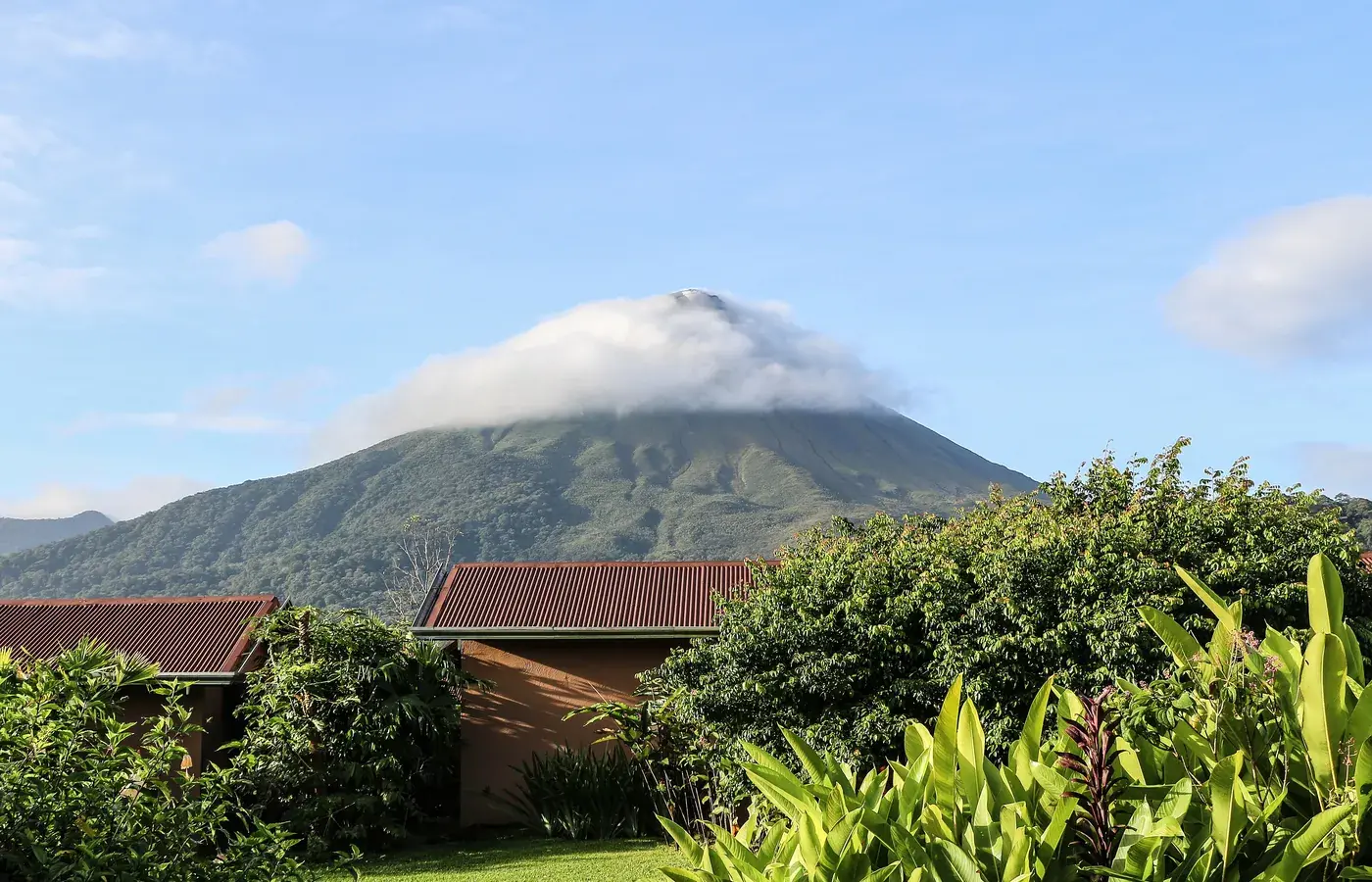
An official country of Pacific dry forest and many coasts: the UNESCO-listed Area de Conservación Guanacaste, and regions far enough apart to be stays of their own.
We would spend a first visit like this: pick one official region, such as Guanacaste or the Central Valley, then add a second official region only if you have more days. Official regions are far apart; a domestic transfer or a long drive is the usual way between them. Details below were taken from official pages, except where a source is dated earlier. They can change, so confirm before you go.
The official regions and getting around
UNESCO inscribed the Area de Conservación Guanacaste as a World Heritage site in 1999, including important natural habitats and the best dry forest habitats from Central America. Official Guanacaste, or the Central Valley around San José, is where we would start. Confirm hours and any official park tickets on official pages before you go. We have not listed a park ticket price here because a current official walk-up fare was not confirmed as a single public ticket on this check.
Flights from Toronto typically arrive at Juan Santamaría International (SJO) in San José, including some nonstops, otherwise via a U.S. hub. Liberia (Daniel Oduber, LIR) in Guanacaste is a second official international airport, closer to many Pacific beaches. Official regions are far apart. A domestic transfer or a long drive is the usual way between the Central Valley, Guanacaste, Arenal, Monteverde, Manuel Antonio and the Caribbean coast.
How long to stay
Three or four full days is our pick if you want one official region at an unhurried pace. Add more days if you want a second official region. That is our suggestion, not an official recommended length of stay. Confirm hours and tickets before you go.
Quick facts
Getting around
Official regions are far apart. A domestic transfer or a long drive is the usual way between the Central Valley, Guanacaste, Arenal, Monteverde, Manuel Antonio and the Caribbean coast.
Entry
Canadian citizens do not need a tourist visa for stays of up to 180 days. The immigration officer determines the permitted length of stay when you enter; as a tourist, you may be granted a stay of up to 180 days. Your passport must be valid for the duration of your stay (checked 19 November 2026). Confirm on travel.gc.ca before you fly.
Storm season
The Government of Canada says the hurricane season is from mid-May to the end of November in the Pacific, and from early June to the end of November in the Atlantic, the Caribbean Sea and the Gulf of Mexico. Read the official Costa Rica travel advice before you go (checked 19 November 2026).
How long
Our pick is three or four full days for one official region, or longer if you want a second official region. Confirm hours and tickets before you go.
Areas to stay in Costa Rica
San José and the Central Valley. The official aviation hub, around Juan Santamaría International.
Guanacaste or the Nicoya Pacific beaches, nearer Liberia. Closer to the second official international airport and to the inscribed conservation area.
Arenal and La Fortuna, Monteverde, Manuel Antonio, or the Caribbean towns around Puerto Viejo. Other official regions, each a transfer or a long drive from the others.
Some links and search tools on this page lead to partner sites, and we may earn a small commission if you book, at no extra cost to you.
Flights from Toronto typically arrive at Juan Santamaría International (SJO) in San José, including some nonstops, otherwise via a U.S. hub. Liberia (Daniel Oduber, LIR) in Guanacaste is a second official international airport, closer to many Pacific beaches. Check the airline or the partner search above for current flights.
Official regions are far apart. A domestic transfer or a long drive is the usual way between the Central Valley, Guanacaste, Arenal, Monteverde, Manuel Antonio and the Caribbean coast.
Canadian citizens do not need a tourist visa for stays of up to 180 days. The immigration officer determines the permitted length of stay when you enter. Your passport must be valid for the duration of your stay (checked 19 November 2026). Read the full Costa Rica travel advice before you go. Rules can change. The FAQ below also covers other international visitors.
Search tours and tickets for official parks, coasts and conservation areas in Costa Rica.
Tours
Some links and search tools on this page lead to partner sites, and we may earn a small commission if you book, at no extra cost to you.
Compare tours, tickets and attraction passes on a partner site. Checkout happens on the partner site. Vulpeca Travel does not sell tours.
Tours
The Klook, Tiqets and Go City buttons open a general partner search, not a list limited to this destination.
Canadian citizens do not need a tourist visa for stays of up to 180 days, and your passport must be valid for the duration of the stay (checked 19 November 2026). The immigration officer determines the exact length of stay. Confirm on travel.gc.ca before you fly.
If you are a US citizen: Check official entry rules for this destination, and the US Department of State's international travel information for the country. Confirm before you go (checked 25 November 2026).
If you are travelling from another country: Check this destination's official immigration or entry site, and your own government's travel advice (Canadians can start with Travel Advice and Advisories). Confirm before you go (checked 25 November 2026).
Should I fly into San José or Liberia?
San José (SJO) is the usual official hub from Toronto. Liberia (LIR) is closer to many Guanacaste and Nicoya beaches and to the inscribed conservation area. Confirm which official region you are staying in, because the two airports are not a short hop apart.
Can I book this trip on Vulpeca Travel?
No. Vulpeca Travel does not sell tickets, hotel rooms or tours. Flight, stay, car and tour tools on this page send you to partner sites, where booking and payment happen.
Weather and typical months
In the 1991–2020 record for San José, Costa Rica (used as a point for this country page; coasts differ), the warmest month is April (mean 21.4 °C) and the coolest is November (mean 19.7 °C). The driest month is March (61.2 mm) and the wettest is October (431.6 mm). We do not name a single best month to visit, because that depends on what you want from the trip.
Monthly climate averages for San José, Costa Rica (used as a point for this country page; coasts differ), 1991–2020
Month
Mean temperature
Precipitation
January
19.8 °C
94.7 mm
February
20.3 °C
65.6 mm
March
21.0 °C
61.2 mm
April
21.4 °C
98.8 mm
May
20.8 °C
354.6 mm
June
20.6 °C
383.2 mm
July
20.4 °C
297.1 mm
August
20.4 °C
351.8 mm
September
20.2 °C
400.4 mm
October
19.9 °C
431.6 mm
November
19.7 °C
319.1 mm
December
19.7 °C
163.1 mm
Figures are 1991–2020 monthly means of daily mean temperature (°C) and monthly precipitation (mm), from the ERA5 reanalysis retrieved through the Open-Meteo Historical Weather API on 27 November 2026. ERA5 is produced by the Copernicus Climate Change Service. These are climate averages, not a forecast. Confirm current conditions before you go.