An official isthmus of global trade: the UNESCO-listed Colonial Transisthmian Route, historic towns, and the Panama Canal, which opened in 1914.
A good first visit, in our view, looks like this: spend time in official Casco Viejo and at the official canal, then go to another official region only if you want a second setting. The canal, Casco Viejo and the modern downtown are a drive from the airport; Bocas del Toro or Boquete are separate domestic flights or long trips. Details below were taken from official pages, except where a source is dated earlier. They can change, so confirm before you go.
The capital, the canal and getting around
UNESCO inscribed the Colonial Transisthmian Route of Panamá as a World Heritage site in 2025. Official Casco Viejo and the official canal are where we would start. Confirm hours and any official site or canal-visit tickets on official pages before you go. We have not listed a ticket price here because a current official walk-up fare was not confirmed as a single public ticket on this check.
Flights from Toronto typically arrive at Tocumen International (PTY) in Panama City, usually via a U.S. or regional hub. The canal, Casco Viejo and the modern downtown are a drive from the airport. Bocas del Toro or Boquete are separate domestic flights or long trips. Check the airline or the partner search above for current flights. A transfer or a car covers the official capital and the canal. Other official regions need a longer official hop.
How long to stay
Two or three full days is our suggestion if you want official Casco Viejo and the official canal at an unhurried pace. Add more days if you want Bocas del Toro or Boquete as well. That is our suggestion, not an official recommended length of stay. Confirm hours and tickets before you go.
Quick facts
Getting around
A transfer or a car covers the official capital and the canal. Other official regions need a longer official hop.
Entry
Canadian citizens do not need a tourist visa for stays of up to 180 days. Your passport must be valid for at least 3 months beyond the date you expect to leave Panama. To stay longer than 180 days, you must change residency status (checked 19 November 2026). Confirm on travel.gc.ca before you fly.
Hurricane season
The Government of Canada says the Atlantic hurricane season, including the Caribbean Sea, is from early June to the end of November. Read the official Panama travel advice before you go (checked 19 November 2026).
How long
Our pick is two or three full days for official Casco Viejo and the official canal, or longer if you also want Bocas del Toro or Boquete. Confirm hours and tickets before you go.
Areas to stay in Panama
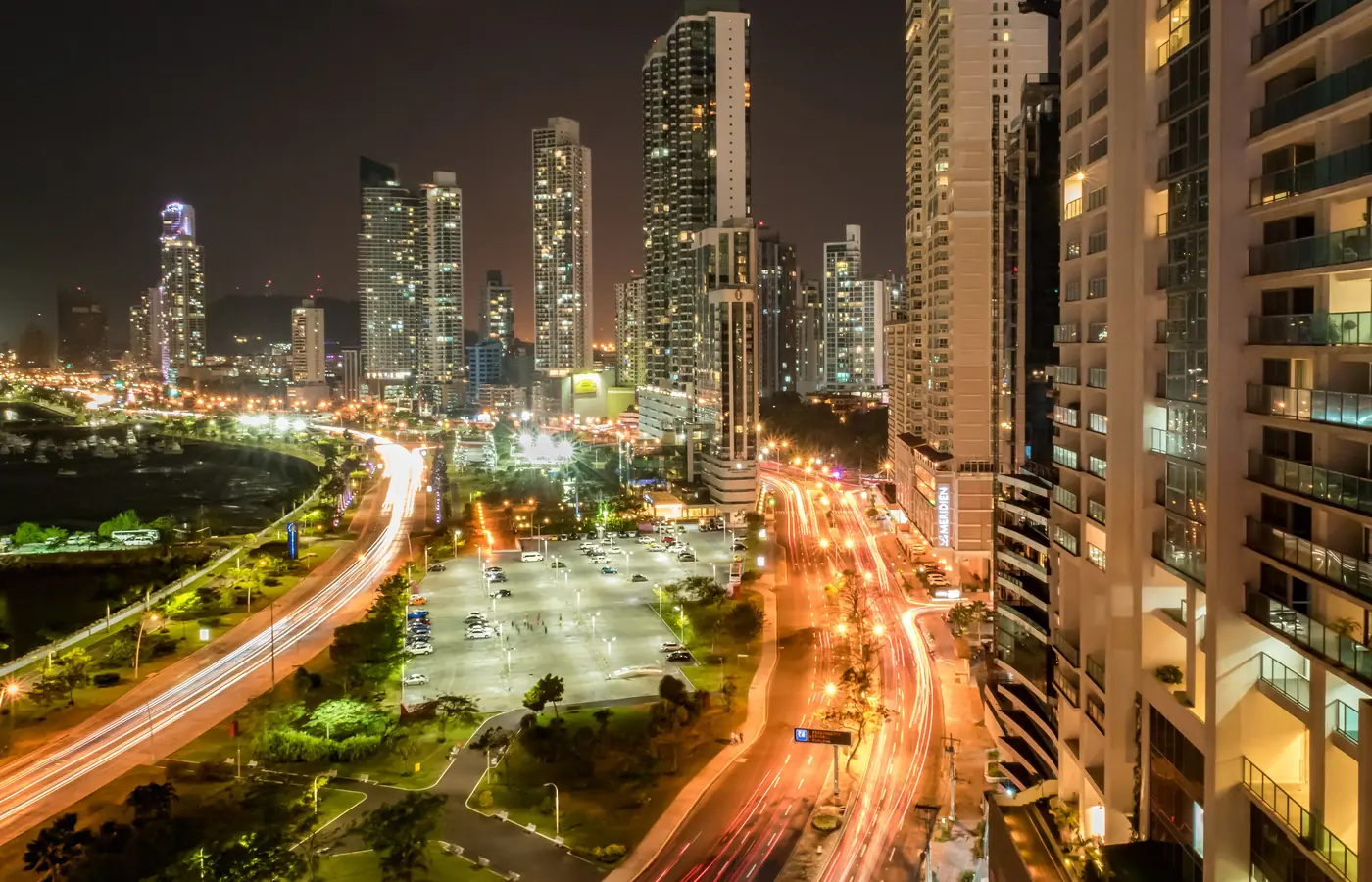
Casco Viejo, or the modern coastal skyline of Panama City. The official Pacific capital, a drive from Tocumen International.
Near the canal, including Miraflores, or the rainforest around Gamboa. A short official trip out from the capital, still in the same isthmus stay.
Bocas del Toro, the Azuero Peninsula, or the Chiriquí highlands around Boquete. Other official regions, reached by a domestic flight or a long trip, not neighbourhoods of the capital.
Some links and search tools on this page lead to partner sites, and we may earn a small commission if you book, at no extra cost to you.
Flights from Toronto typically arrive at Tocumen International (PTY) in Panama City, usually via a U.S. or regional hub. The canal, Casco Viejo and the modern downtown are a drive from the airport. Bocas del Toro or Boquete are separate domestic flights or long trips. Check the airline or the partner search above for current flights.
A transfer or a car covers the official capital and the canal. Other official regions need a longer official hop.
Canadian citizens do not need a tourist visa for stays of up to 180 days. Your passport must be valid for at least 3 months beyond the date you expect to leave Panama (checked 19 November 2026). Read the full Panama travel advice before you go. Rules can change. The FAQ below also covers other international visitors.
Search tours and tickets for the official Panama Canal, historic Panama City and official isthmus or regional outings.
Tours
Some links and search tools on this page lead to partner sites, and we may earn a small commission if you book, at no extra cost to you.
Compare tours, tickets and attraction passes on a partner site. Checkout happens on the partner site. Vulpeca Travel does not sell tours.
Tours
The Klook, Tiqets and Go City buttons open a general partner search, not a list limited to this destination.
Canadian citizens do not need a tourist visa for stays of up to 180 days, and your passport must be valid for at least 3 months beyond the date you expect to leave Panama (checked 19 November 2026). Confirm on travel.gc.ca before you fly.
If you are a US citizen: Check official entry rules for this destination, and the US Department of State's international travel information for the country. Confirm before you go (checked 25 November 2026).
If you are travelling from another country: Check this destination's official immigration or entry site, and your own government's travel advice (Canadians can start with Travel Advice and Advisories). Confirm before you go (checked 25 November 2026).
Is the canal in the historic centre?
The official canal, including Miraflores, is a short trip out from Panama City, not a street in Casco Viejo. Both can be part of the same official capital-region stay.
Can I book this trip on Vulpeca Travel?
No. Vulpeca Travel does not sell tickets, hotel rooms or tours. Flight, stay, car and tour tools on this page send you to partner sites, where booking and payment happen.
Weather and typical months
In the 1991–2020 record for Panama City (used as a point for this country page), the warmest month is April (mean 27.0 °C) and the coolest is November (mean 25.5 °C). The driest month is February (10.8 mm) and the wettest is July (281.1 mm). We do not name a single best month to visit, because that depends on what you want from the trip.
Monthly climate averages for Panama City (used as a point for this country page), 1991–2020
Month
Mean temperature
Precipitation
January
26.1 °C
20.2 mm
February
26.5 °C
10.8 mm
March
26.9 °C
13.8 mm
April
27.0 °C
83.1 mm
May
26.3 °C
221.2 mm
June
26.1 °C
253.2 mm
July
26.0 °C
281.1 mm
August
25.9 °C
271.2 mm
September
25.8 °C
264.4 mm
October
25.6 °C
251.4 mm
November
25.5 °C
249.5 mm
December
25.9 °C
104.6 mm
Figures are 1991–2020 monthly means of daily mean temperature (°C) and monthly precipitation (mm), from the ERA5 reanalysis retrieved through the Open-Meteo Historical Weather API on 27 November 2026. ERA5 is produced by the Copernicus Climate Change Service. These are climate averages, not a forecast. Confirm current conditions before you go.