
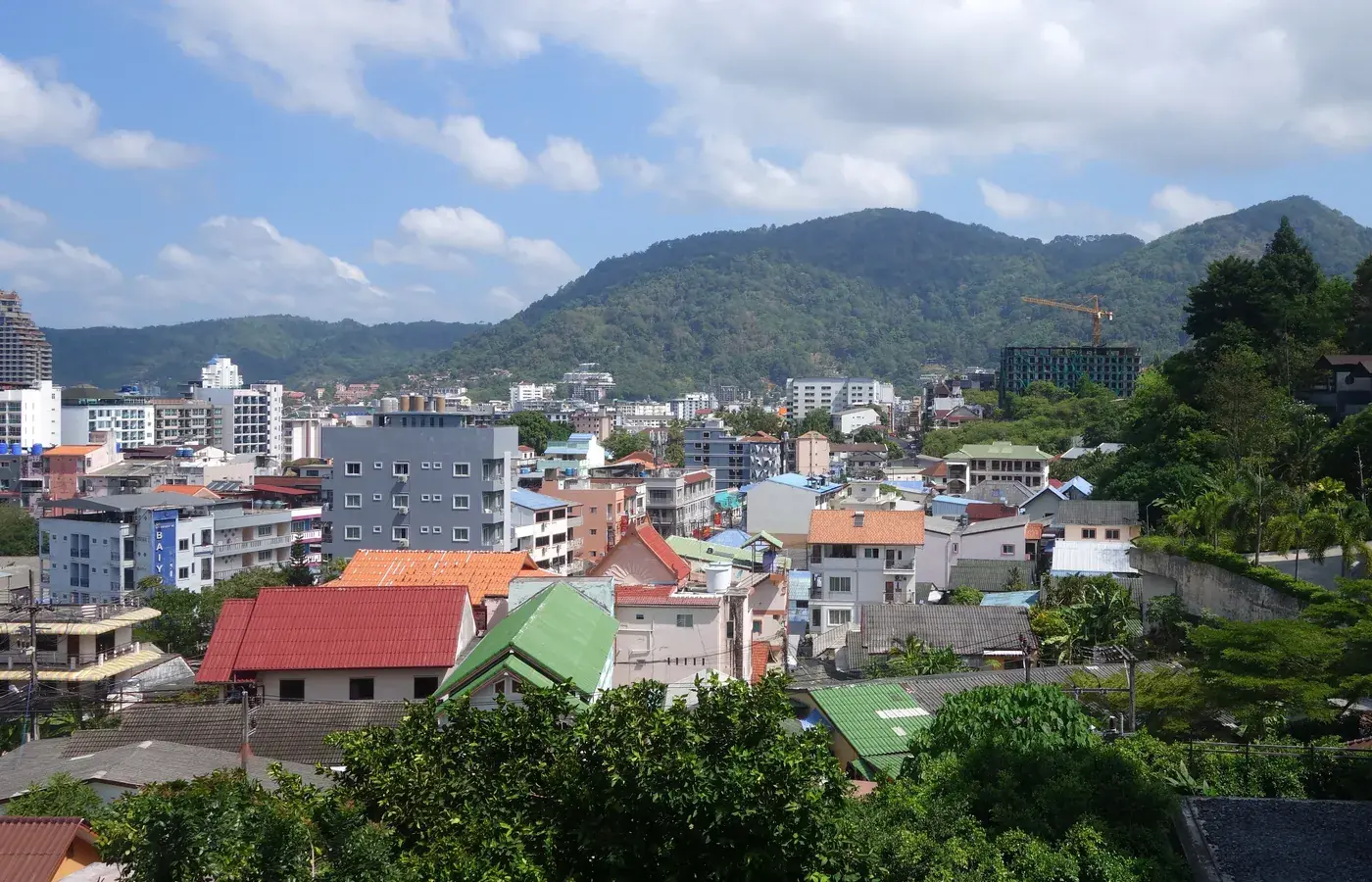
What Phuket is known for
Phuket is Thailand's largest island, bordered by the warm waters of the Andaman Sea. It is best known for its long stretches of fine sand, dramatic granite headlands, and warm tropical climate. The island balances lively coastal resort strips with tranquil seaside villages, drawing travellers who want easy access to both water sports and quiet coves.
Beyond its coastline, Phuket preserves a distinct cultural heritage rooted in maritime commerce. Centuries of trade between China, India, and the West created a unique architectural landscape and a celebrated culinary tradition that set the island apart from other beach destinations in southern Thailand.
A short history
Maritime nomadic groups, known locally as the Chao Leh or sea gypsies, were among the island's earliest inhabitants. Positioned on ancient sea trade routes between India and China, the island appeared on early European navigation charts under the name Junk Ceylon. Safe anchorages and fresh water made it a regular stop for passing merchant fleets.
By the 1500s and 1600s, European trading companies sought out Phuket for its rich tin deposits. During the 19th century, an extensive tin mining boom attracted thousands of Hokkien Chinese labourers. These migrants settled on the island, intermarried with local Thai residents, and established a distinct Peranakan or Baba-Nyonya culture that remains influential today.
The island also holds an important place in Thai national history. In 1785, during an invasion by Burmese forces, two local sisters named Chan and Mook organized the defence of the island and held off a lengthy siege. King Rama I later bestowed upon them the noble titles of Thao Thep Krasattri and Thao Si Sunthon, and their actions are still commemorated across the province.
As tin reserves were depleted in the 20th century, rubber agriculture expanded across the interior. Beginning in the late 1970s and 1980s, international tourism transformed the island's coastal fishing villages and farmland into one of Southeast Asia's foremost resort regions.
Neighbourhoods
Phuket Town serves as the administrative and cultural centre on the island's eastern side. Its historic quarter features rows of restored Sino-Portuguese shophouses with pastel facades, covered walkways, and family-run shops. Streets such as Thalang Road, Dibuk Road, and Soi Romanee offer a walkable setting filled with small galleries, traditional herbal stores, and busy weekend markets.
The western coast is divided into distinct beach communities. Patong is the most developed resort hub, known for wide beaches and the high-energy entertainment district around Bangla Road. To the south, Karon and Kata offer long, slightly calmer sands popular with swimmers and families popular with swimmers and families. Further north, areas like Kamala and Bang Tao present a quieter atmosphere, bordered by residential neighbourhoods and tranquil coastal lagoons.
Food and drink
Phuket was designated a UNESCO Creative City of Gastronomy in recognition of its rich culinary heritage, which blends fiery southern Thai flavours with mild Hokkien Chinese cooking. Local staples include mee hokkien, thick yellow wheat noodles stir-fried with seafood, greens, and pork; and moo hong, pork belly braised with sweet soy sauce, garlic, and crushed black peppercorns. Fresh local seafood appears in dishes like spicy yellow crab curry, served over thin rice noodles known as khanom jeen. Meals often finish with sweet shaved ice desserts like o-aew, made with banana starch and jelly seeds, or cold glasses of spiced Thai milk tea.
Music, arts and culture
The island's cultural life revolves around Buddhist observances, Chinese Taoist practices, and coastal seafaring traditions. Phuket's most renowned event is the annual Vegetarian Festival, held during the ninth lunar month of the Chinese calendar, during which devotees observe strict plant-based diets and take part in sacred street processions to invoke the Nine Emperor Gods. Traditional music and shadow puppet performances sometimes accompany temple fairs, while Phuket Town showcases modern public murals that illustrate daily life, historical tin-mining heritage, and the island's Baba-Nyonya dress.
Top things to do
A visit to Wat Chalong introduces travellers to the island's largest and most significant Buddhist temple, renowned for its grand pagoda housing a sacred bone relic of the Buddha. High on Nakkerd Hill, the Great Buddha of Phuket stands 45 metres tall in white marble, offering sweeping views of Chalong Bay and the surrounding hills.
Walking through Old Phuket Town allows visitors to explore the Thai Hua Museum, housed in a 1930s Chinese school, and Chinpracha House, a preserved heritage mansion. At the southern tip of the island, Promthep Cape provides open lookouts over the Andaman Sea, especially popular late in the day. In the north, Sirinat National Park protects coastal evergreen forests, mangrove habitats, and quiet sand bars where sea turtles occasionally come ashore.
Day trips
Phuket's piers provide access to several renowned natural areas across the Andaman Sea. An easy boat trip takes travellers northeast into Phang Nga Bay, a calm inlet famous for sheer limestone sea stacks such as Khao Phing Kan and traditional stilt villages. Further offshore, the Phi Phi Islands feature clear bays surrounded by steep cliffs, while Coral Island offers calm snorkelling sites just south of Phuket's coast. In the dry season, day tours also reach the protected Similan Islands, known for deep-water coral formations and marine life.
Before you go
Confirm entry and health rules with official sources before you go, starting with the Government of Canada's Thailand travel advice. We don't list visa rules or fees here.
Another Southeast Asia starting point on this site is Bali.
Best time to go
The drier months on Phuket's west coast are often November to April; the southwest monsoon generally brings wetter weather from about May to October, with rough seas on some west-facing beaches. Official Government of Canada advice for Thailand should be read before you go. Boat trips to nearby islands depend on official weather and ferry status.
Getting there from Canada
Flights from Canada typically arrive at Phuket International, usually via Bangkok or another Asian hub. The airport is in the north of the island; Patong, Kata, Karon, Phuket Town and the east-coast or southern beaches are a drive. Traffic on the island can be slow.
Official travel advice
Read the Government of Canada's Thailand travel advice before you go. Rules and conditions can change.
Search flights, cars, tours and airport rides under Plan your trip below. Checkout is on the partner's site.