Our suggestion for a first visit: spend time in one official city already on this site — Halifax, Charlottetown or St. John's — then add a second official province only if you want more of the official Atlantic coast. Details below were taken from official pages, except where a source is dated earlier. They can change, so confirm before you go.
Atlantic Canada is four provinces on the country's eastern edge — Nova Scotia, New Brunswick, Prince Edward Island, and Newfoundland and Labrador — bound by the Atlantic, by working harbours, and by a history of fisheries, forts and landfalls. This site already has guides for Halifax, Prince Edward Island and St. John's. New Brunswick, Labrador and many smaller coastal towns are not all listed here yet. The character of the region is still clear from the three that are: a harbour city, an island of farms and shore, and a steep capital at the eastern end of the continent.
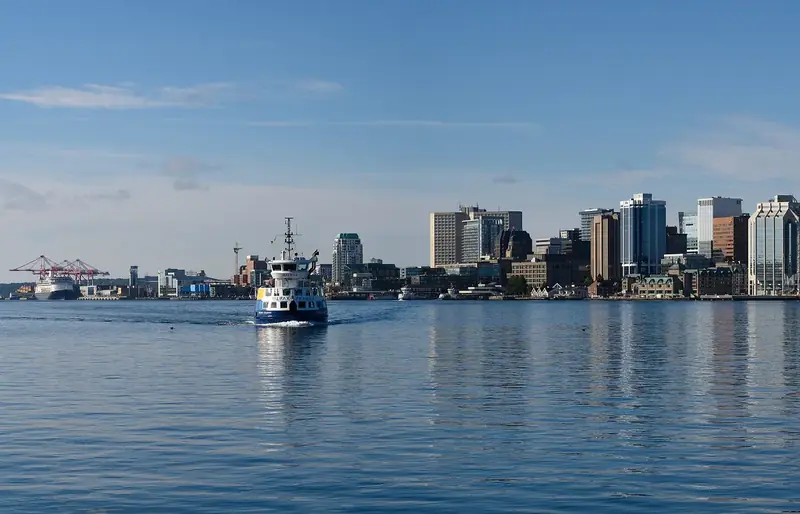
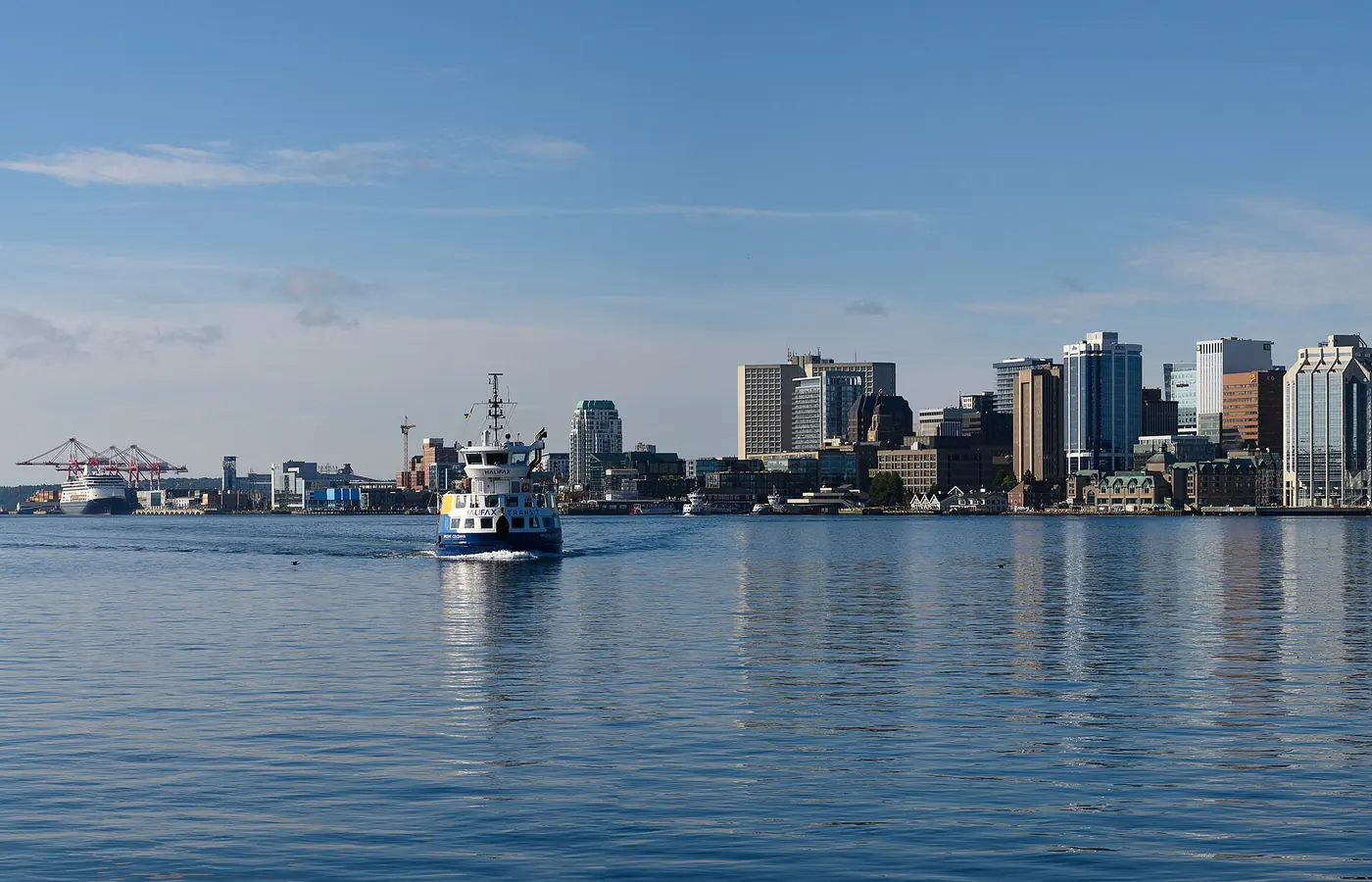
Halifax, the capital of Nova Scotia, stands on one of the world's great natural harbours, a port and a citadel city that has watched the North Atlantic for centuries. Nearby, Old Town Lunenburg, established in 1753 and inscribed as a UNESCO World Heritage Site in 1995, is described by UNESCO as the best surviving example of a planned British colonial settlement in North America. It has kept its original rectangular grid and much of its wooden architecture, some of it from the 18th century, in a town whose economic life was traditionally the offshore Atlantic fishery. The Halifax guide on this site is the starting point for the Nova Scotia coast, including day reach to places like Lunenburg.
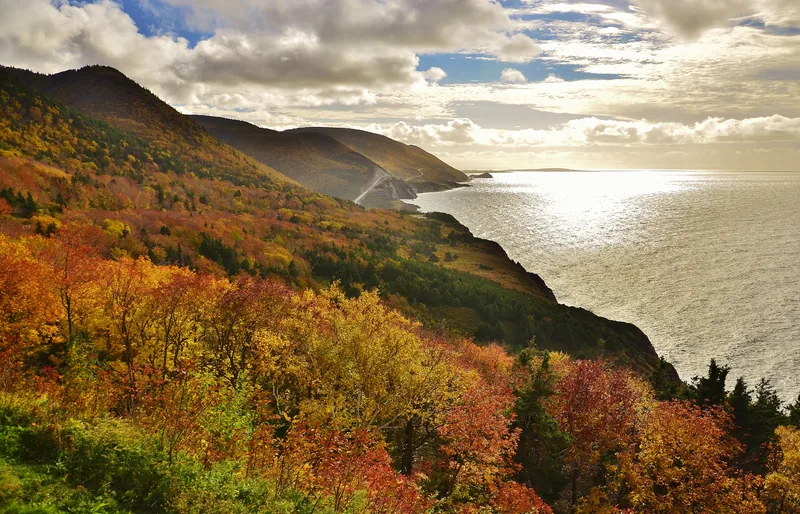
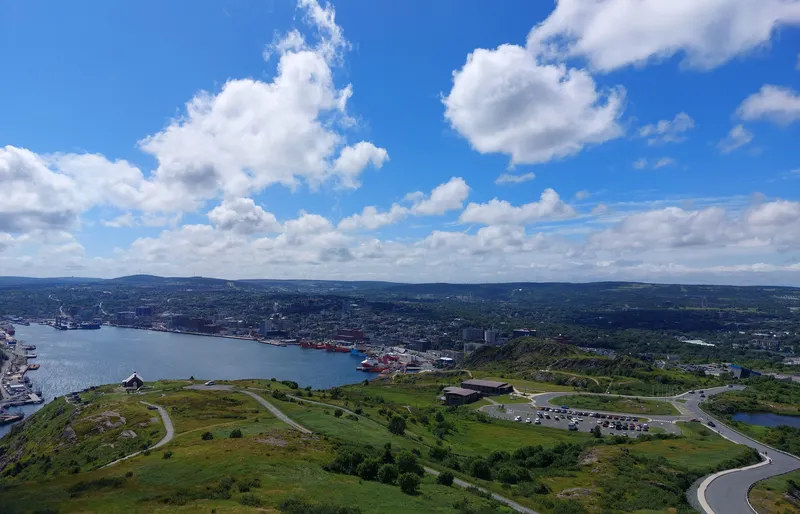
Farther east, Newfoundland and Labrador has a geology the official record treats as world-class. Gros Morne National Park, on the Great Northern Peninsula, was inscribed by UNESCO in 1987. Within a relatively small area are textbook examples of plate tectonics: a landscape that shows, in UNESCO's words, monumental earth-building and modifying forces, including a relocated portion of oceanic crust, together with an outstanding demonstration of glaciation in an island setting. The fjords, waterfalls and glacier-scoured headlands combine into what UNESCO calls a landscape of exceptional natural beauty. St. John's, the provincial capital, is a steep harbour city at the island's eastern edge, with Signal Hill above the Narrows and a coast that still feels close to the open Atlantic. The St. John's guide sells that city in full. Icebergs appear off the coast in some years, earlier in the season; they are never guaranteed.
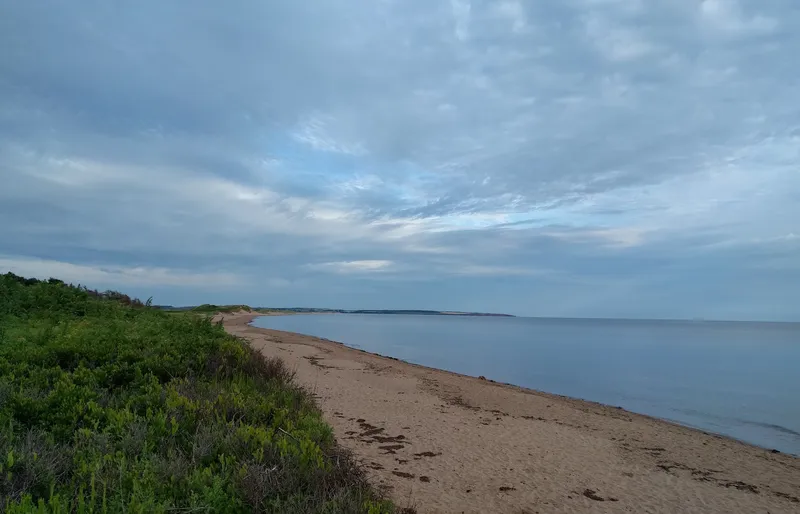
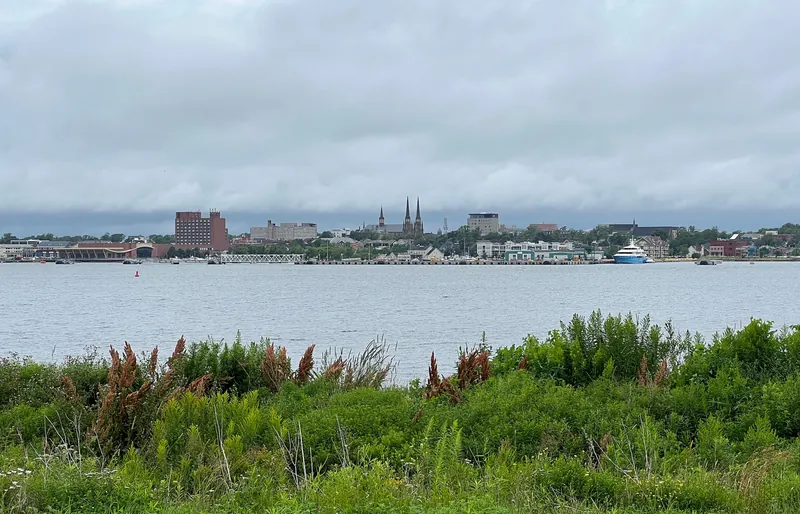
Prince Edward Island is the smallest province, a low, red-soil island of beaches, farms and small towns, linked to the mainland by the Confederation Bridge and by official ferry services. The island guide on this site treats it as a place to stay and move slowly, not as a single-town stop. Together, these three guides offer a harbour capital, an island, and a capital at the country's eastern edge, inside a region whose local life is still tied to the sea: weather, boats, lighthouses, and a table that has always looked toward the water. Open the one that holds you, and give the coast the time it asks for.
How long to stay
Two or three full days is our suggestion if you want one official city in this region at an unhurried pace. Add more days if you want a second official province as well. That is our suggestion, not an official recommended length of stay. Confirm hours and tickets before you go.
Quick facts
- Guides on this site
Halifax, Prince Edward Island and St. John's, under the Canada hub. New Brunswick, Labrador and many smaller coastal towns are not all listed here yet.
- World Heritage
Old Town Lunenburg in Nova Scotia (inscribed 1995) and Gros Morne National Park in Newfoundland and Labrador (inscribed 1987) are UNESCO World Heritage Sites (checked 20 November 2026).
- Travel inside Canada
A trip to Atlantic Canada from elsewhere in Canada is travel inside the country. For a domestic flight, follow the Government of Canada's pre-boarding identification requirements (checked 20 November 2026). Official ferry operators, including services to Newfoundland and to Prince Edward Island, post their own schedules and weather cancellations.
- How long
Our pick: Two or three full days is our suggestion if you want one official city in this region at an unhurried pace. Add more days if you want a second official province as well. Confirm hours and tickets before you go.