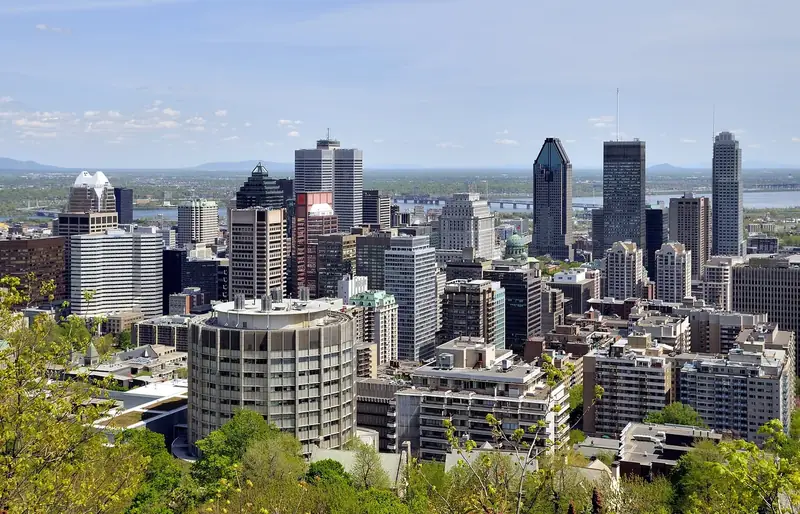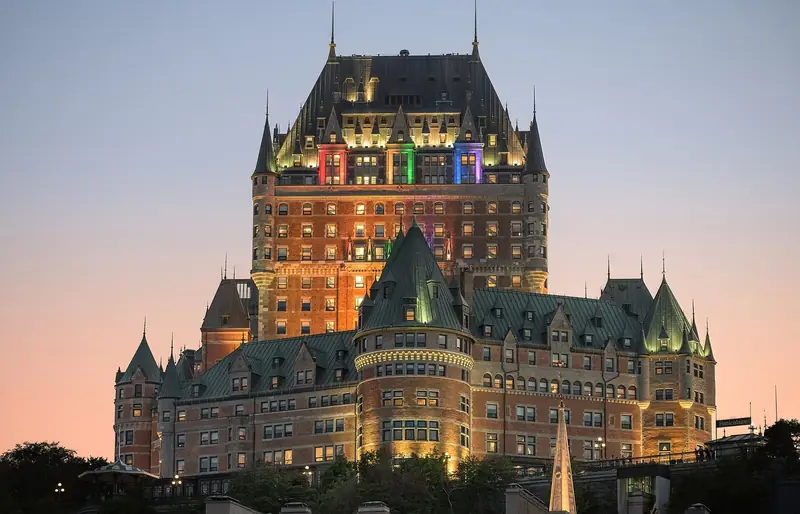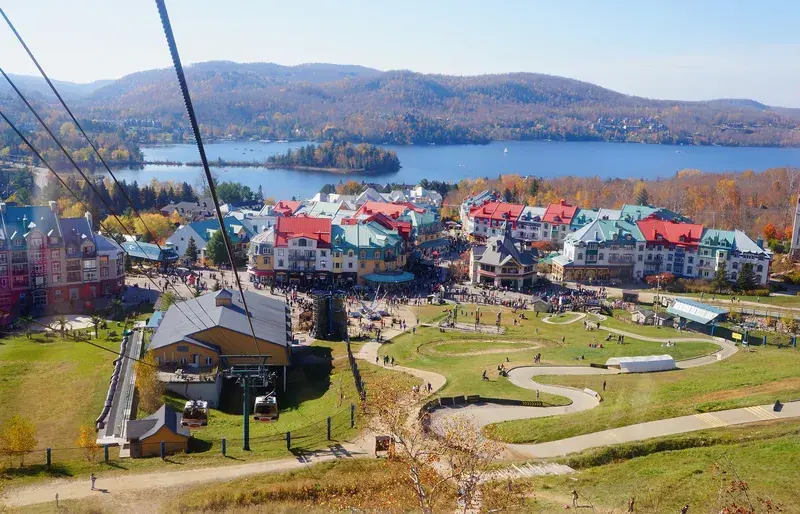
If this is your first visit, we would start here: spend time in official Montreal or official Quebec City, then add a second official city or official park town only if you want another official setting in the same province. Details below were taken from official pages, except where a source is dated earlier. They can change, so confirm before you go.
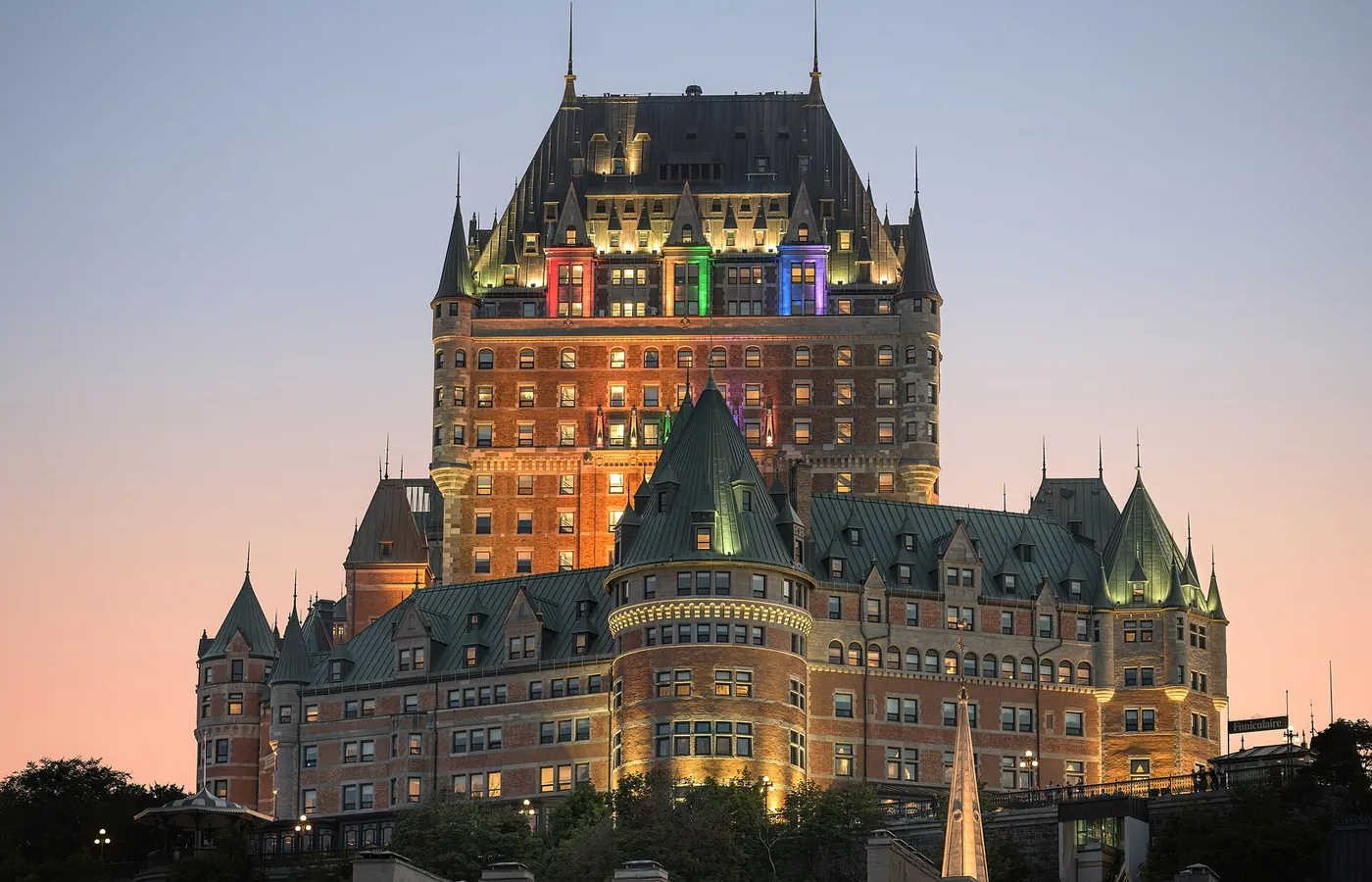
Quebec is the only Canadian province whose everyday public life is lived mainly in French, and that fact is not a detail — it is the character of the place. Street signs, menus, theatre and conversation have a different music here than in the rest of the country. The history behind that is official and specific. UNESCO records that Quebec City was founded in the 17th century, was the capital of New France and, after 1760, of the new British colony. The Historic District of Old Québec, inscribed as a World Heritage Site in 1985, covers about 135 hectares. It is made up of two parts: the Upper Town, sitting atop Cap Diamant and defended by fortified ramparts, a citadel and other defensive works, and the Lower Town, which grew up around Place Royale and the harbour. UNESCO calls this a well-preserved, integrated urban ensemble: a remarkable example of a fortified colonial town, and unique north of Mexico. The walls still stand. The streets still drop from the bluff to the river.
That capital remains the ceremonial and historical heart of the province. The Quebec City guide on this site is the place to walk it. Montreal, downriver, is Quebec's largest city: an island in the St. Lawrence, a port and a metropolis, with neighbourhoods, a mountain in the middle of the city, and a cultural life that has long been bilingual in practice even as the official language of the province is French. It is a city to stay in, not only to pass through. The Montreal guide sells that urban character in full.
North of Montreal, the Laurentians rise into lake-and-forest country, and Mont-Tremblant is the mountain town already on this site — a village and a peak, with a national park nearby. Fall colour in the Laurentians, in Charlevoix and around Quebec City is a regional draw, with dates that change each year. Winters are cold and snowy; the mountain has a ski season that depends on snow and official hill notices, never on a travel shop's calendar. Charlevoix, the Gaspé and many other regions are not all covered here yet. The three guides below are the ones already built.
The amenity of Quebec is this layered geography: a walled capital on a cap of rock, a great river city, and a Laurentian mountain town, all inside a culture that has kept its language for four centuries. You come for the history you can still walk, for the table and the street life, and for a landscape that turns from the St. Lawrence to the Shield. Open the Montreal, Quebec City or Mont-Tremblant guide below, and stay long enough to hear the province in its own voice.
How long to stay
Two or three full days usually works, in our view, if you want official Montreal or official Quebec City at an unhurried pace. Add more days if you want a second official city or official park town as well. That is our suggestion, not an official recommended length of stay. Confirm hours and tickets before you go.
Quick facts
- Guides on this site
Montreal, Quebec City and Mont-Tremblant, under the Canada hub. Charlevoix, the Gaspé and other regions are not all covered here yet.
- Old Québec
The Historic District of Old Québec is a UNESCO World Heritage Site, inscribed in 1985: about 135 hectares of Upper Town and Lower Town, a fortified colonial town unique north of Mexico (checked 20 November 2026).
- Travel inside Canada
A trip to Quebec from elsewhere in Canada is travel inside the country. For a domestic flight, follow the Government of Canada's pre-boarding identification requirements (checked 20 November 2026).
- How long
Our pick: Two or three full days usually works, in our view, if you want official Montreal or official Quebec City at an unhurried pace. Add more days if you want a second official city or official park town as well. Confirm hours and tickets before you go.