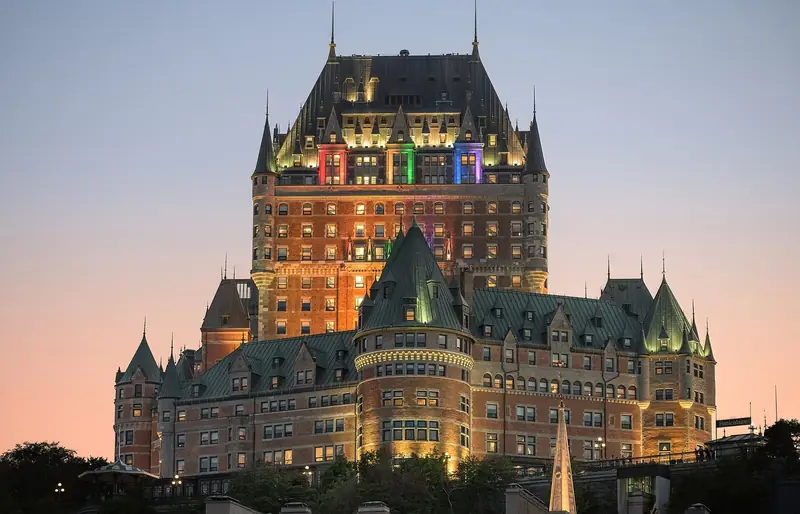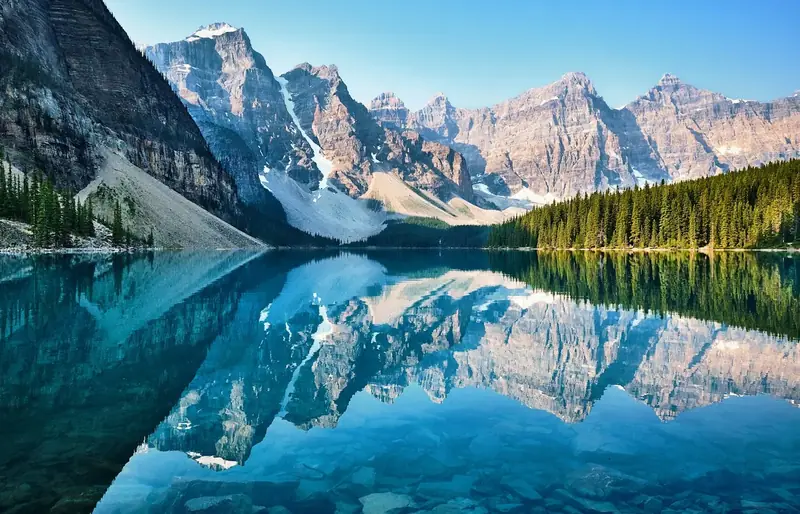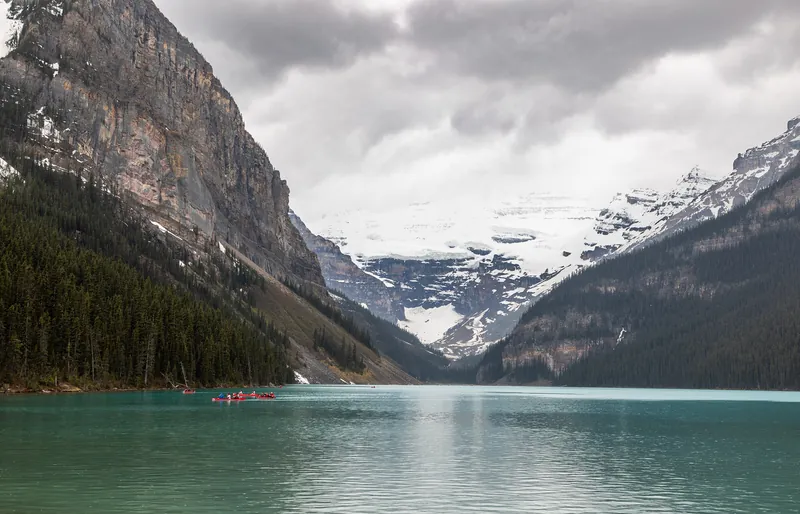
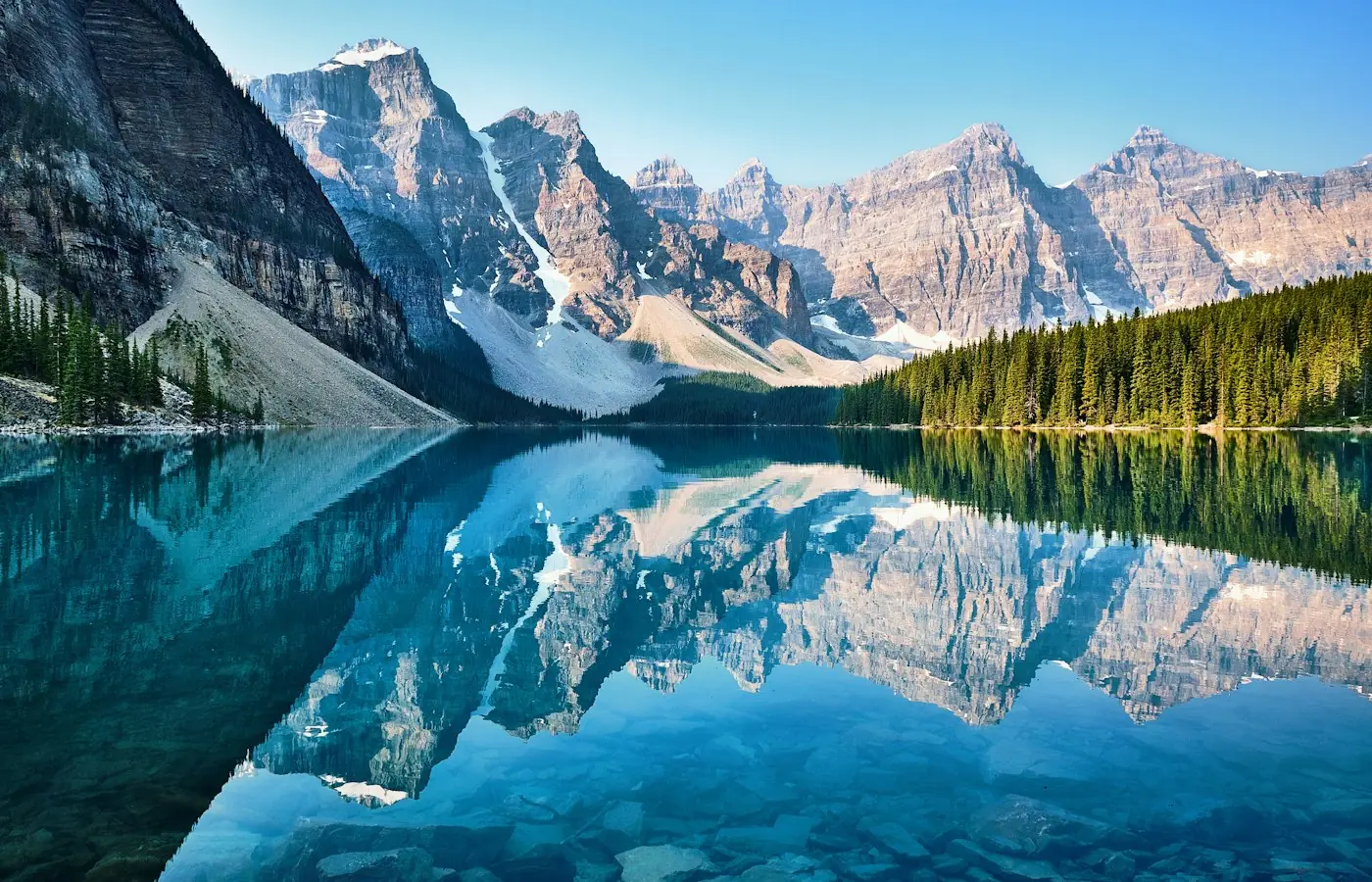
An alpine lake in the Banff area of the Canadian Rockies

Destinations / Canada

Canada

From Atlantic harbours and the St. Lawrence to the Rockies and the Pacific — a country of distinct regions, each worth a stay of its own.

For a first look, we'd keep it simple: choose one official region or city already on this site, then add a second official region only if you want a second official landscape. Canada is large enough that a first trip is usually one coast, one river city, one mountain park or one capital. Details below were taken from official pages, except where a source is dated earlier. They can change, so confirm before you go.

Canada is large enough that it does not have one landscape, or one way of travelling it. The Government of Canada lists ten provinces and three territories, stretching from the Atlantic to the Pacific and north into the Arctic. This site gathers the regions already on the site — Ontario, Quebec, British Columbia, Alberta and Atlantic Canada — with city and park-town guides under each. The country rewards a stay in one of those regions, long enough to feel its weather, its table and its local history, rather than a rush from coast to coast.

History here runs far longer than the colonial cities. In southern Alberta, where the foothills of the Rocky Mountains meet the Great Plains, Head-Smashed-In Buffalo Jump is a UNESCO World Heritage Site. UNESCO describes it as the best preserved example of the communal hunting techniques and way of life of the Plains people, based on the vast herds of bison that existed in North America for more than five millennia, with deep layers of bone that represent nearly 6,000 years of use. It is one official window onto Indigenous knowledge of this land, still part of the traditional knowledge of the Plains nations.

On the St. Lawrence, Quebec City tells a later chapter. UNESCO records that it was founded in the 17th century, was the capital of New France and, after 1760, of the new British colony. The Historic District of Old Québec, inscribed in 1985, covers about 135 hectares: an Upper Town on Cap Diamant, defended by fortified ramparts, a citadel and other works, and a Lower Town around Place Royale and the harbour. UNESCO calls it a remarkable example of a fortified colonial town, and unique north of Mexico. That history still shapes the streets you walk, and the Quebec City guide on this site is the place to begin.

The country's amenities are both wild and urban. Parks Canada looks after the national parks, and the most famous mountain landscape sits in the west. The Canadian Rocky Mountain Parks World Heritage Site, inscribed in 1984 and extended in 1990, comprises Banff, Jasper, Kootenay and Yoho national parks and Mount Robson, Mount Assiniboine and Hamber provincial parks. UNESCO describes rugged peaks, ice fields and glaciers, alpine meadows, lakes, waterfalls, karst cave systems, thermal springs and deeply incised canyons — a mountain landscape that draws millions of visitors. Banff is Canada's first national park. The Banff and Jasper guides, and the Alberta hub, are the starting points for those parks.

In Ontario, the Rideau Canal is a landmark of a different kind: a 202-kilometre waterway from Ottawa to Kingston Harbour on Lake Ontario, built in the early 19th century primarily for strategic military purposes, and still operational along its original line with most of its original structures intact. UNESCO inscribed it in 2007 and calls it the best-preserved example of a slackwater canal in North America. Ottawa, the national capital, sits on that canal. Toronto, on Lake Ontario, is the country's largest city already on this site. Niagara Falls and Muskoka complete the Ontario guides, under that province's hub.

On the Atlantic, two more World Heritage places set the tone of the coast. Old Town Lunenburg in Nova Scotia, established in 1753 and inscribed in 1995, is described by UNESCO as the best surviving example of a planned British colonial settlement in North America, its wooden architecture and rectangular grid still intact, its economic life long tied to the offshore Atlantic fishery. In Newfoundland and Labrador, Gros Morne National Park, inscribed in 1987, holds some of the world's best examples of plate tectonics, with landlocked freshwater fjords and glacier-scoured headlands that UNESCO calls a landscape of exceptional natural beauty. Halifax, Prince Edward Island and St. John's are the Atlantic guides already on this site.

British Columbia turns the map to the Pacific: a mild, often rainy coast, a capital at Victoria on Vancouver Island, and a large city in Vancouver with mountains at its back. Guides for Vancouver, Victoria, Whistler, Tofino and Kelowna open that side of the country. The character of a Canadian trip is regional. You pick a coast, a river city, a mountain park or a capital, and you stay long enough to let it settle. The province hubs and city guides below are how to begin.

How long to stay

Two or three full days is our pick if you want one official city or official park town at an unhurried pace. Add more days if you want a second official region as well. That is our suggestion, not an official recommended length of stay. Confirm hours, tickets and official notices before you go.
Quick facts

Guides in this region

Each card opens a destination guide on this site.

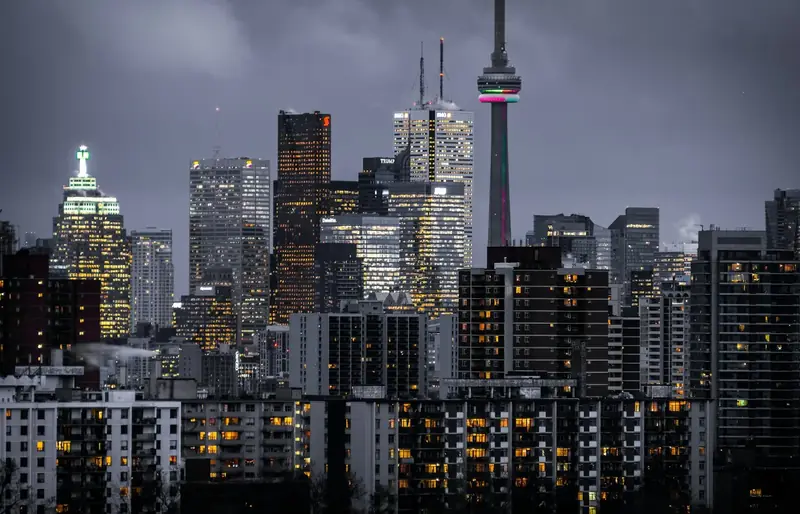
Toronto skyline at dusk with the CN Tower
Ontario, Canada

Toronto

Ontario's largest city, on Lake Ontario.

Read the guide →
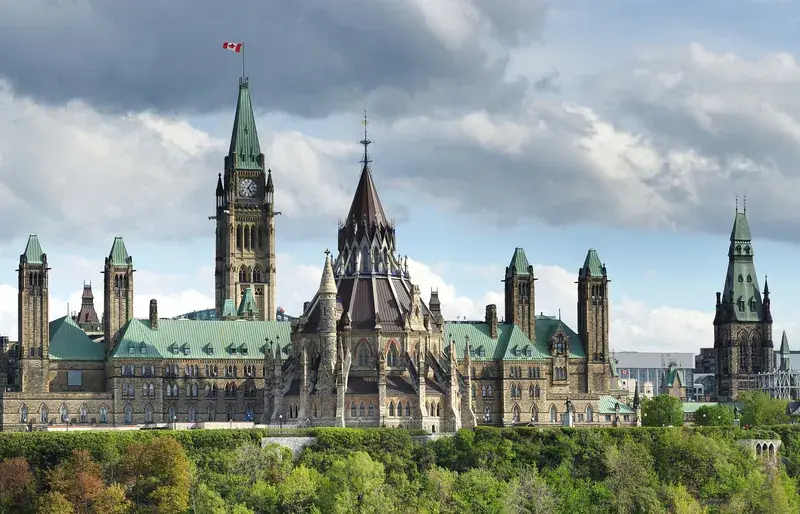
Centre Block and the Peace Tower on Parliament Hill, Ottawa
Ontario, Canada

Ottawa

Canada's capital, on the Ottawa River, with Parliament Hill above the water.

Read the guide →
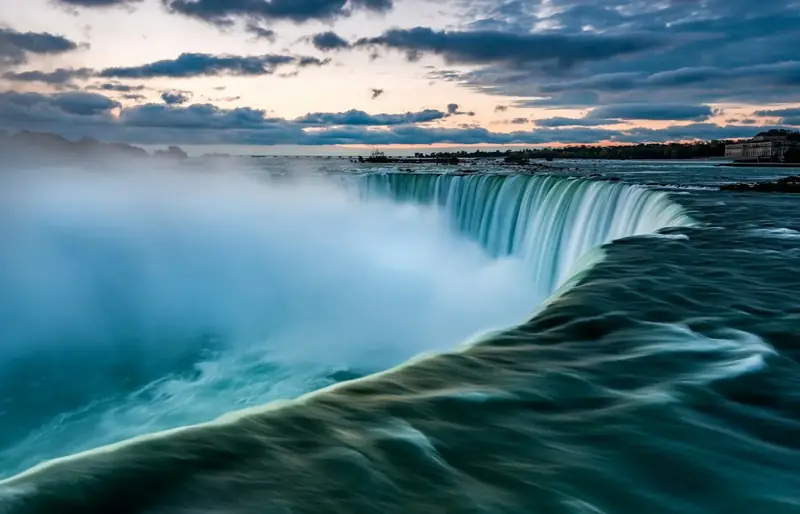
Horseshoe Falls at Niagara, seen from the brink of the gorge
Ontario, Canada

Niagara Falls

The Canadian side of the falls.

Read the guide →
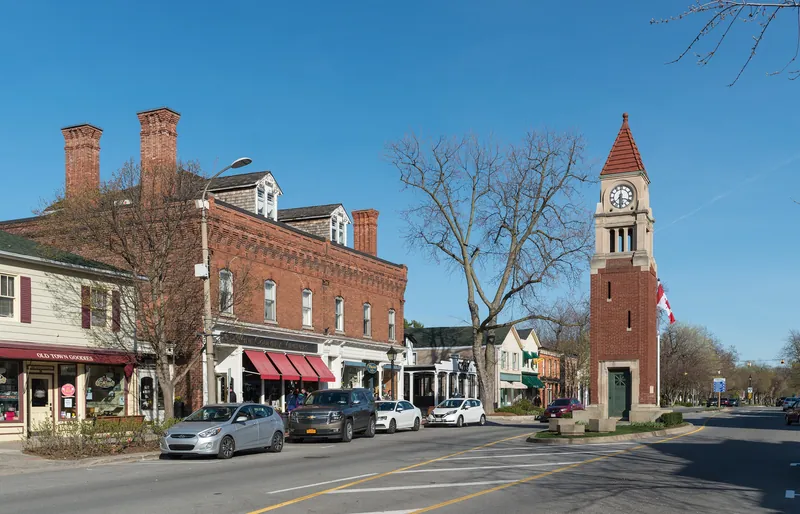
Queen Street and the clock tower in Niagara-on-the-Lake, Ontario
Ontario, Canada

Niagara-on-the-Lake

A historic town on the Niagara River, just downriver from the falls.

Read the guide →
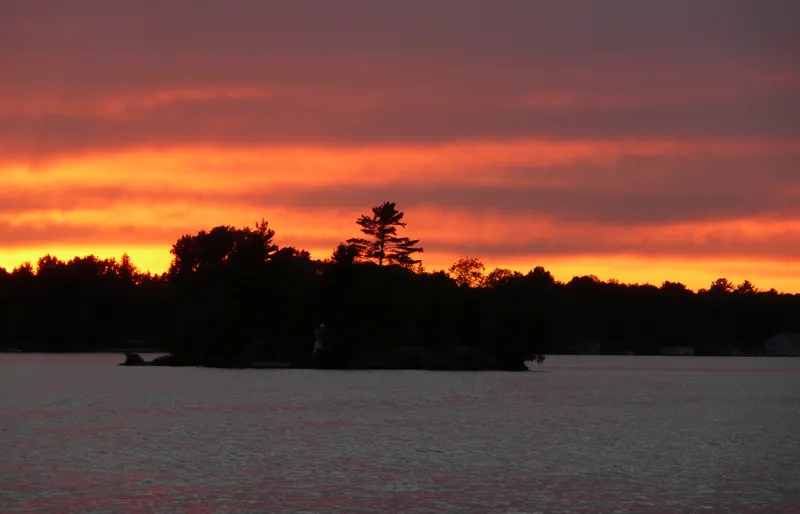
Sunset over a pine-topped island on Lake Muskoka, Ontario
Ontario, Canada

Muskoka

A lake district in Central Ontario, north of Toronto, known as cottage country.

Read the guide →
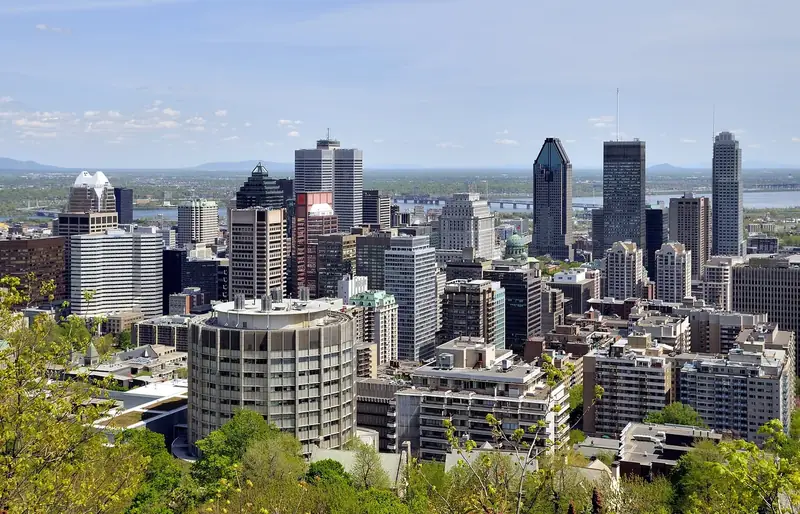
Montreal skyline seen from Mount Royal, with the St. Lawrence River beyond
Quebec, Canada

Montreal

Quebec's largest city, on the St. Lawrence River.

Read the guide →
The Château Frontenac in Quebec City, lit at dusk
Quebec, Canada

Quebec City

The provincial capital, above the St. Lawrence River.

Read the guide →
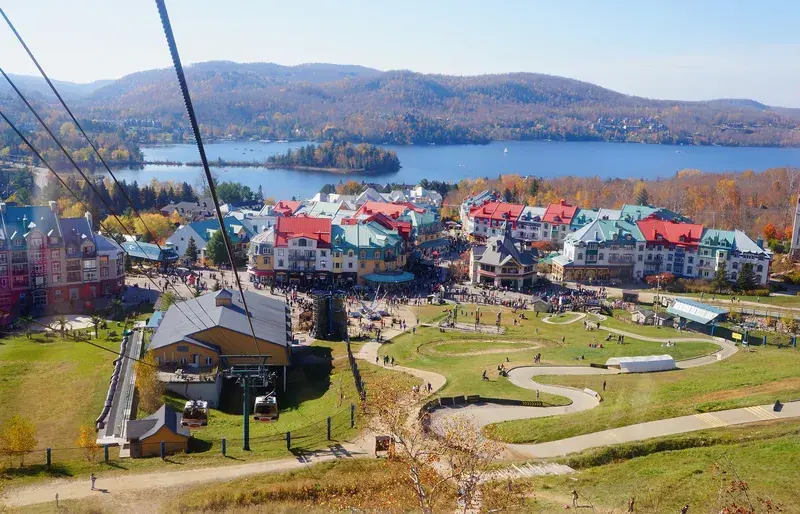
The pedestrian village and lake at Mont-Tremblant, Quebec
Quebec, Canada

Mont-Tremblant

A resort in the Laurentians, north of Montreal, with a pedestrian village at the base of the peak.

Read the guide →
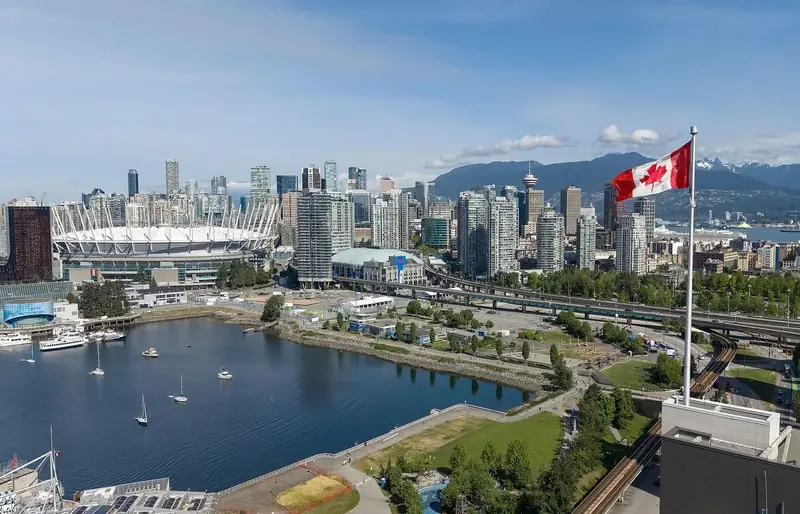
Vancouver skyline across False Creek, with mountains beyond and a Canadian flag in the foreground
British Columbia, Canada

Vancouver

A Pacific city between the mountains and the sea.

Read the guide →
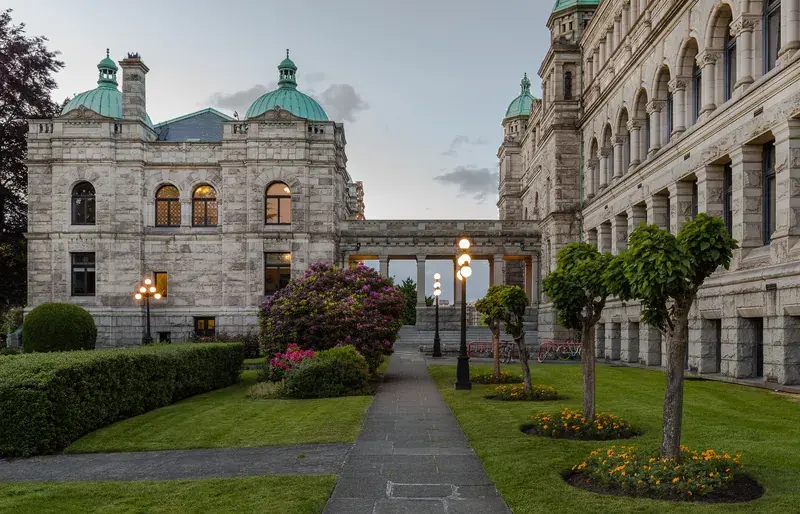
British Columbia Parliament Buildings on the Inner Harbour, Victoria
British Columbia, Canada

Victoria

British Columbia's capital, at the southern end of Vancouver Island.

Read the guide →
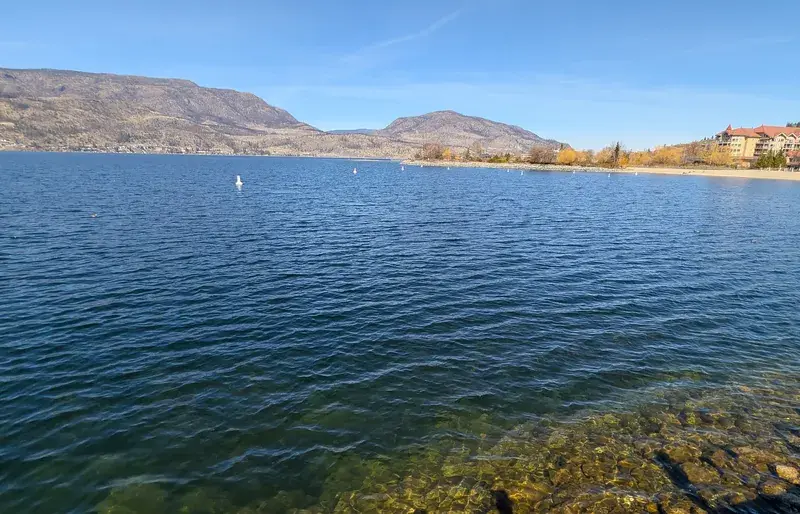
Okanagan Lake at Kelowna, British Columbia
British Columbia, Canada

Kelowna

The largest city in B.C.'s Okanagan Valley, on Okanagan Lake.

Read the guide →
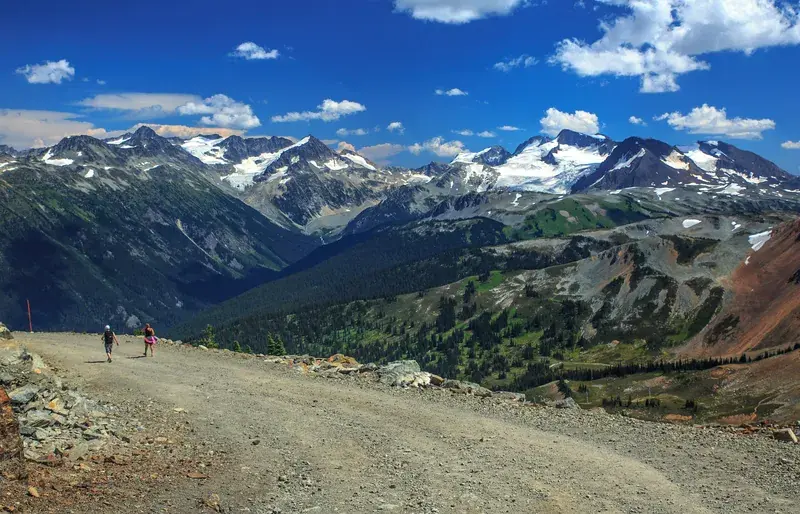
Looking up the Fitzsimmons Valley from Whistler Mountain, British Columbia
British Columbia, Canada

Whistler

A resort town in the Coast Mountains, in the valley between Whistler and Blackcomb, north of Vancouver.

Read the guide →
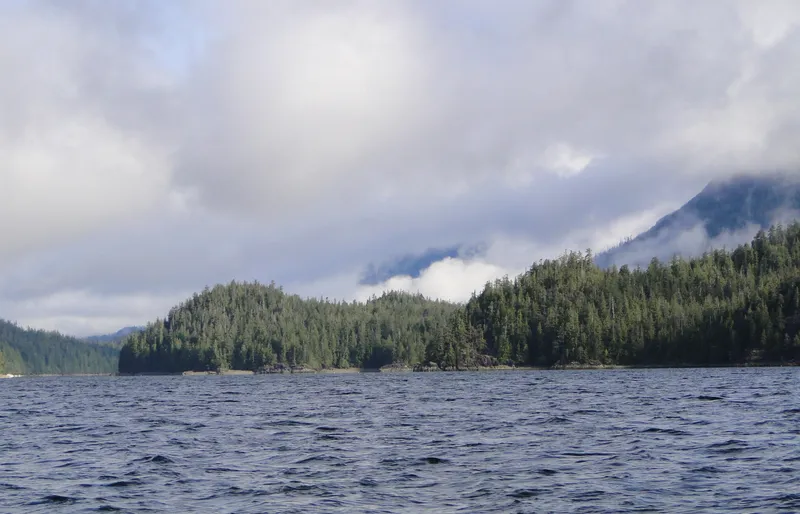
Forested islands in Clayoquot Sound, near Tofino, British Columbia
British Columbia, Canada

Tofino

A district on the west coast of Vancouver Island, on Clayoquot Sound.

Read the guide →
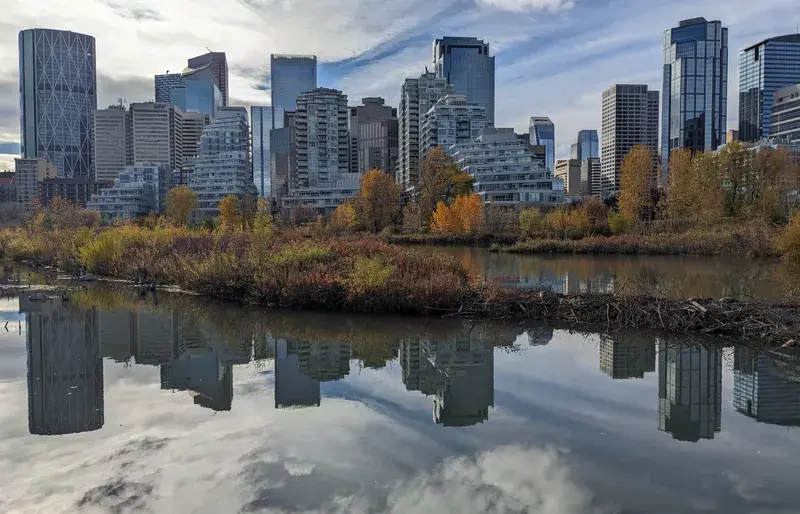
Calgary skyline from Prince's Island Park
Alberta, Canada

Calgary

Alberta's largest city, in the foothills of the Rockies, on the Bow River.

Read the guide →
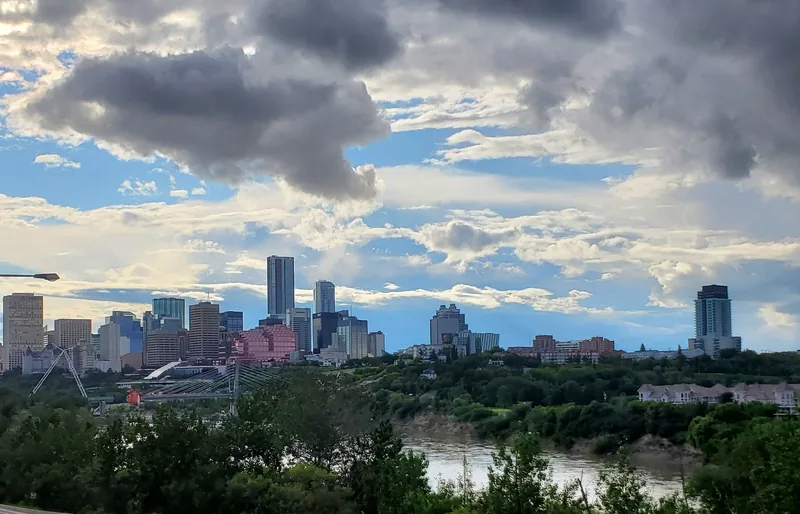
Edmonton's downtown skyline and the North Saskatchewan River valley, under a sky of broken clouds
Alberta

Edmonton

Alberta's capital on the North Saskatchewan River, a former fur-trade fort in a deep river valley.

Read the guide →
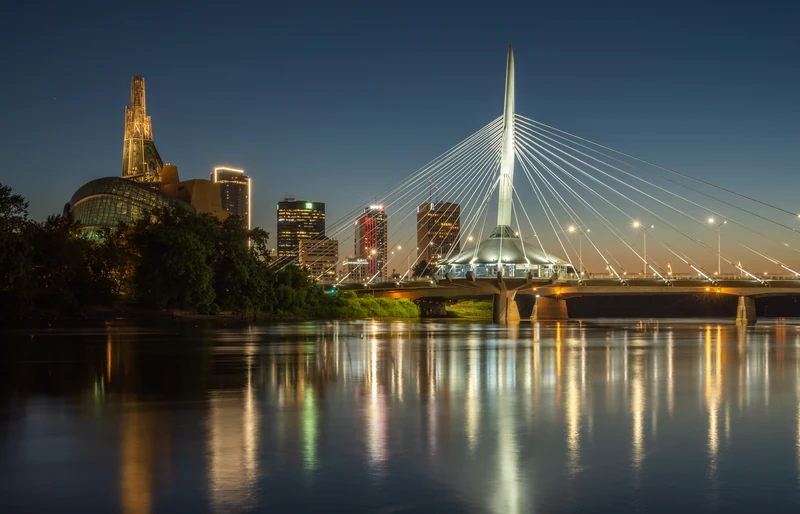
A lit cable-stayed bridge and the glass tower of the Canadian Museum for Human Rights reflected in a river at dusk in Winnipeg
Canada

Winnipeg

Manitoba's capital at the meeting of the Red and Assiniboine, where The Forks has been a gathering place for thousands of years.

Read the guide →
Turquoise alpine lake surrounded by mountains in Banff National Park
Alberta, Canada

Banff

Lakes, peaks and parkways in the Canadian Rockies.

Read the guide →
Turquoise water at Lake Louise in Banff National Park, Alberta
Alberta, Canada

Lake Louise

A glacial lake and a small village inside Banff National Park.

Read the guide →
Pyramid Mountain and Pyramid Lake near Jasper, Alberta
Alberta, Canada

Jasper

A town in Jasper National Park, in the Rockies, on the Athabasca River.

Read the guide →
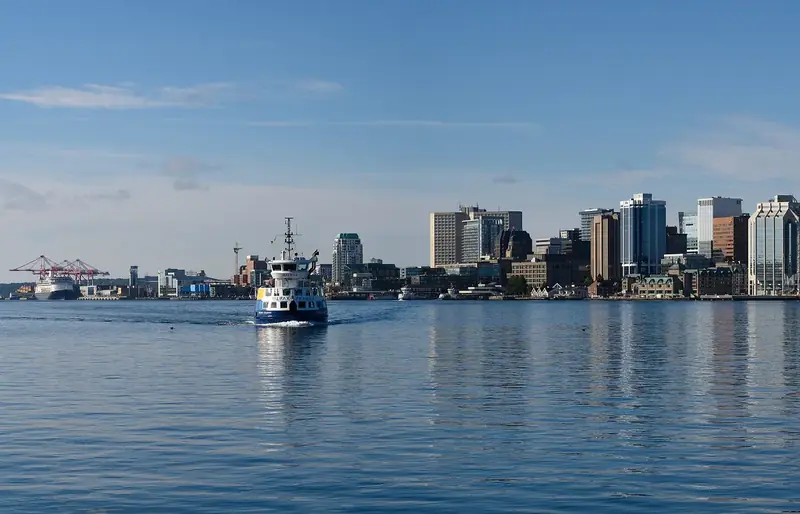
A ferry on Halifax Harbour with the downtown skyline beyond
Nova Scotia, Canada

Halifax

Nova Scotia's capital, on a harbour on Canada's Atlantic coast.

Read the guide →
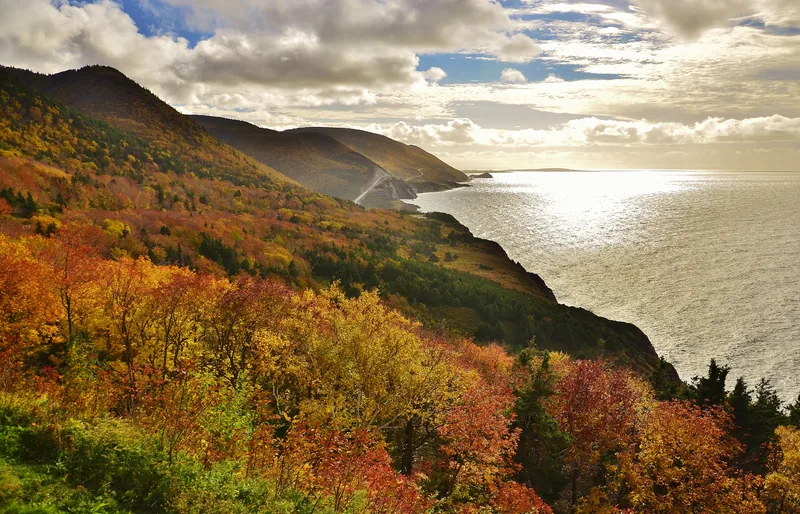
The Cabot Trail winding along autumn-coloured highlands and a sunlit sea on Cape Breton Island
Atlantic Canada

Cape Breton

A Nova Scotia island the Mi'kmaq call Unama'ki, with the Cabot Trail, highland coasts, and the Fortress of Louisbourg.

Read the guide →
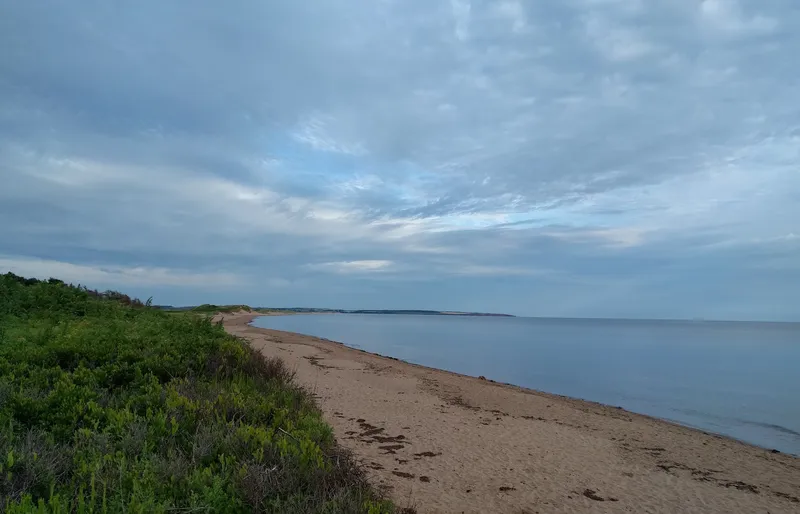
Cavendish Beach on Prince Edward Island
Prince Edward Island, Canada

Prince Edward Island

Canada's smallest province, an island in the Gulf of St. Lawrence.

Read the guide →
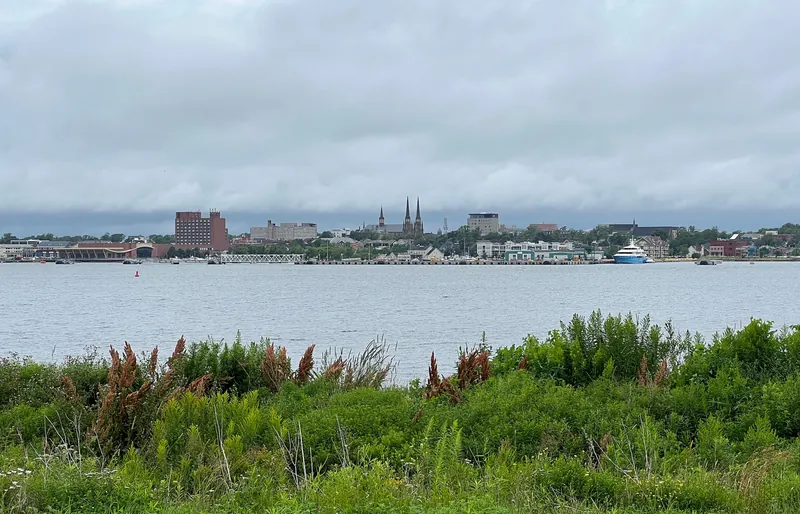
The Charlottetown waterfront and St. Dunstan's Basilica, seen across the harbour
Prince Edward Island, Canada

Charlottetown

The harbour capital of Prince Edward Island, and the room where Confederation was first discussed.

Read the guide →
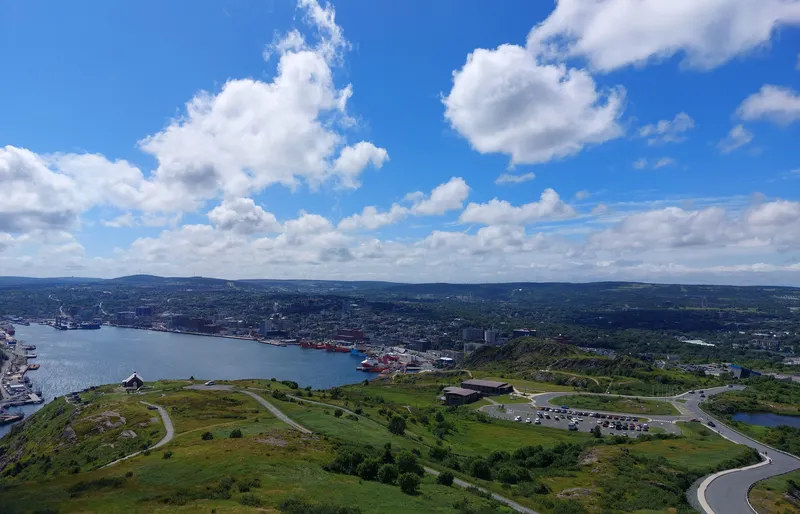
St. John's harbour and downtown, Newfoundland and Labrador
Newfoundland and Labrador, Canada

St. John's

The capital of Newfoundland and Labrador, around a steep Atlantic harbour.

Read the guide →
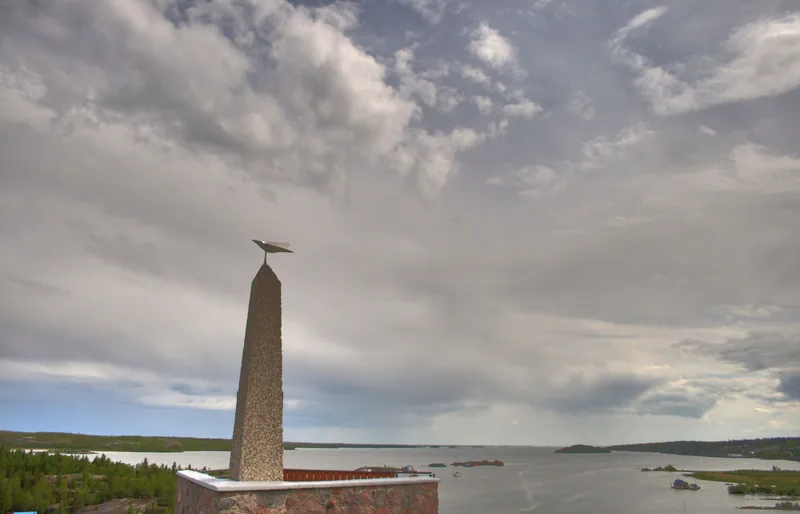
Pilot's Monument in Old Town Yellowknife, a stone obelisk looking out over Great Slave Lake under a cloudy northern sky
Northwest Territories

Yellowknife

The capital of the Northwest Territories, on the north shore of Great Slave Lake, with Old Town and aurora in the northern sky.

Read the guide →

All destinations

Where to stay in Canada

  • Pick a region first A hotel map of the whole country is too wide to help. Open a province or Atlantic hub, then a city guide, and search stays there.
  • Ontario Toronto, Ottawa, Niagara Falls and Muskoka — start with the Ontario hub.
  • Quebec Montreal, Quebec City and Mont-Tremblant — start with the Quebec hub.
  • British Columbia Vancouver, Victoria, Kelowna, Whistler and Tofino — start with the British Columbia hub.
  • Alberta Calgary, Banff and Jasper — start with the Alberta hub.
  • Atlantic Canada Halifax, Prince Edward Island and St. John's — start with the Atlantic Canada hub.

Some links and search tools on this page lead to partner sites, and we may earn a small commission if you book, at no extra cost to you.

See hotels in Canada

A map of an entire country or continent is too wide to be useful here. Pick a city or region guide below, then search stays for that place. You finish on the partner site, where prices and checkout appear. Vulpeca Travel does not book stays or take payment.

Plan your trip

Getting there from Toronto

From Toronto Pearson, domestic flights reach the main gateways already tied to guides on this site, including Montreal, Ottawa, Halifax, St. John's, Calgary, Vancouver and others. Some of those cities are also linked by highway and by rail; confirm current rail routes on the official operator.

International visitors often arrive through Toronto Pearson, Montreal-Trudeau, Vancouver or Calgary, then continue to a region. This site is written for travellers starting from Canada, including those moving between regions.

In the mountains and on the coasts, official park, ferry and provincial highway notices are the source for closures and conditions. They change with weather, fire and the season.

Related region guides: Ontario · Quebec · British Columbia · Alberta · Atlantic Canada.

Related tips: Fall colours road trips · March break trip ideas.

FAQ

Where should I start?
If you already know the region, open its province or Atlantic hub on this page, then a city or park-town guide. If you are still choosing, read the story above and pick the coast, mountains, capital or river city that holds you, then use the cards below.
Do I need a passport?

If you already live in Canada and this is a trip inside the country: This is a trip inside Canada. For a domestic flight, follow the Government of Canada pre-boarding identification requirements (checked 20 November 2026). A passport is one accepted form of ID, not the only one. The name on your ID must match your ticket.

If you are a US citizen visiting Canada: The Government of Canada recommends travelling with a valid passport, and says it is the only reliable and universally accepted travel and ID document. US citizens do not need a Canadian visa or an eTA if they travel with a valid US passport. If you are not travelling by air and do not have a passport, other identity documents that show your full name, date of birth and citizenship may be accepted. Confirm on the official page before you go (checked 25 November 2026).

If you are visiting from another country: Check whether you need a visitor visa or an electronic travel authorization (eTA) on the official Visit Canada page, or use the visa or eTA checker. Most visa-exempt travellers need an eTA to fly to or transit through a Canadian airport. The official eTA application costs CAN$7. Dual Canadian citizens need a valid Canadian passport, not an eTA. Confirm before you go (checked 25 November 2026).

Can I book this trip on Vulpeca Travel?
No. Vulpeca Travel does not sell tickets, hotel rooms or tours. Flight, stay, car and tour tools on this page send you to partner sites, where booking and payment happen.

Weather and typical months

This page covers a whole country, so a single climate table would be misleading. See a city guide for local monthly averages.

Sources and last checked

Each source below is dated with the day we checked it. Prices, hours and rules can change. Confirm on the official site before you go.
If you spot something out of date, email hello@vulpecatravel.com.