If this is your first visit, we'd start here: spend time in official Vancouver or official Victoria, then go to a second official coast, island or park town only if you want another official setting. Details below were taken from official pages, except where a source is dated earlier. They can change, so confirm before you go.
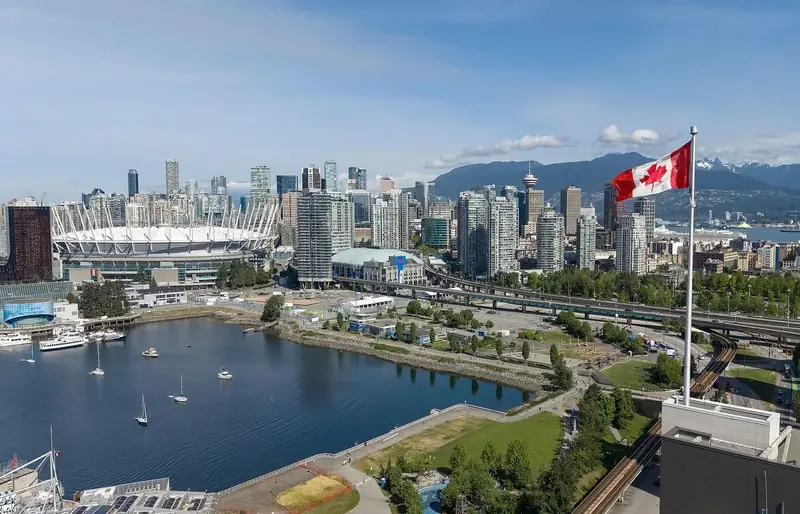
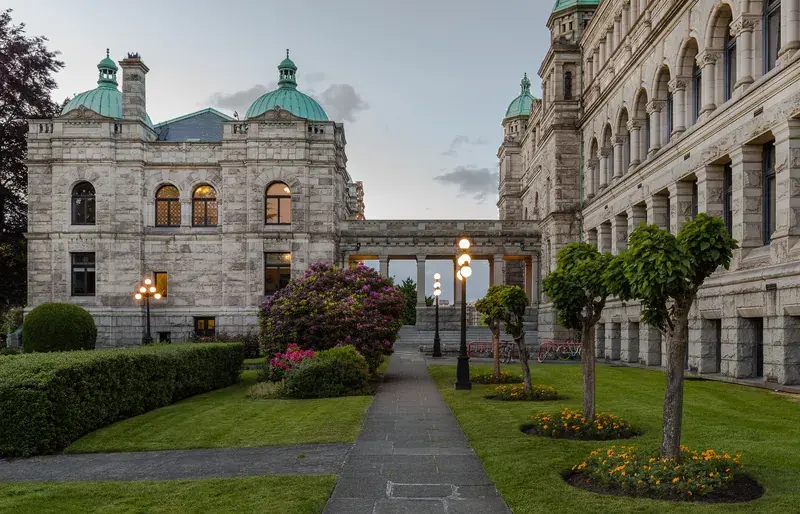
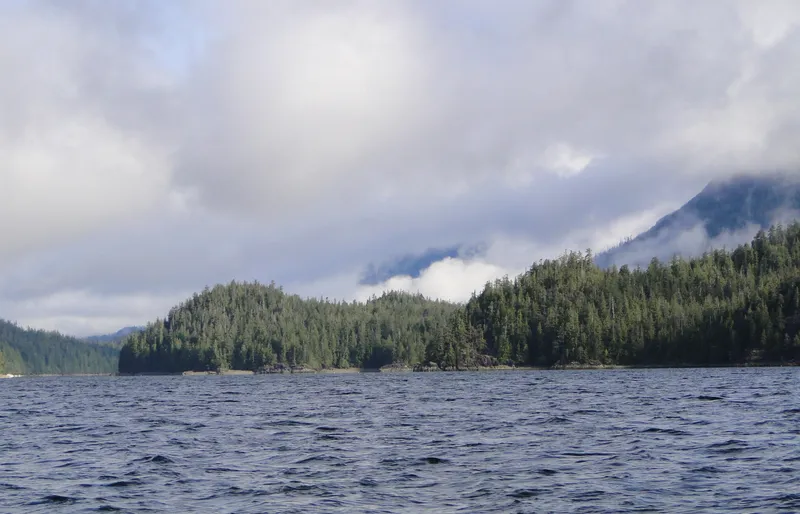
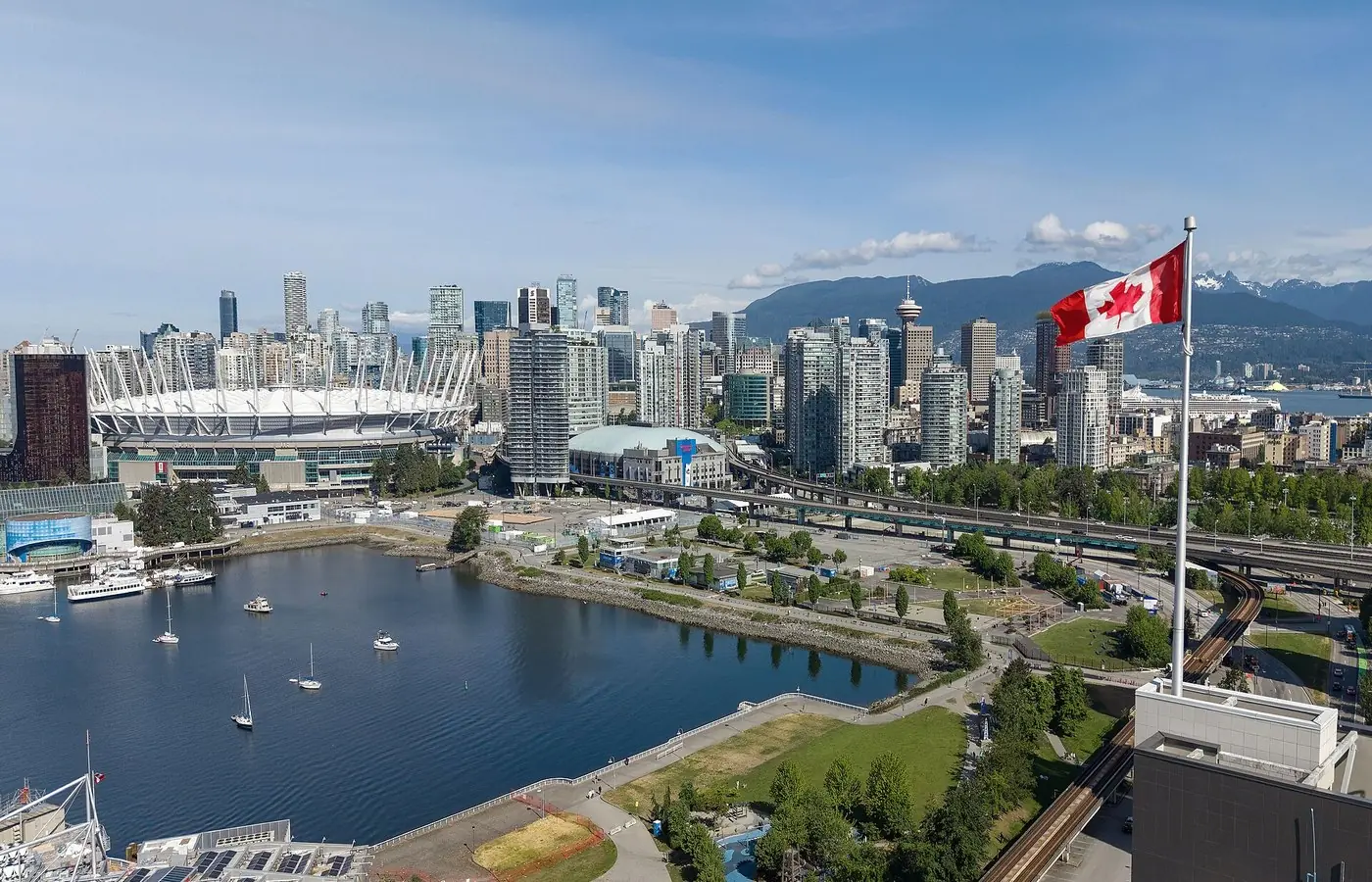
British Columbia is Canada's Pacific province: a long, indented coast, a capital on an island, a large city with mountains at its back, and an interior of lakes and dry-summer valleys. The character of the place is this meeting of ocean and range. Vancouver sits between the mountains and the sea. Victoria, the provincial capital, looks out from Vancouver Island across a harbour that has been a seat of government and a port for generations. The guides on this site — Vancouver, Victoria, Whistler, Tofino and Kelowna — are five ways into that geography, not a complete map of the province. The north coast, the Kootenays and many Interior towns are not all listed here yet.
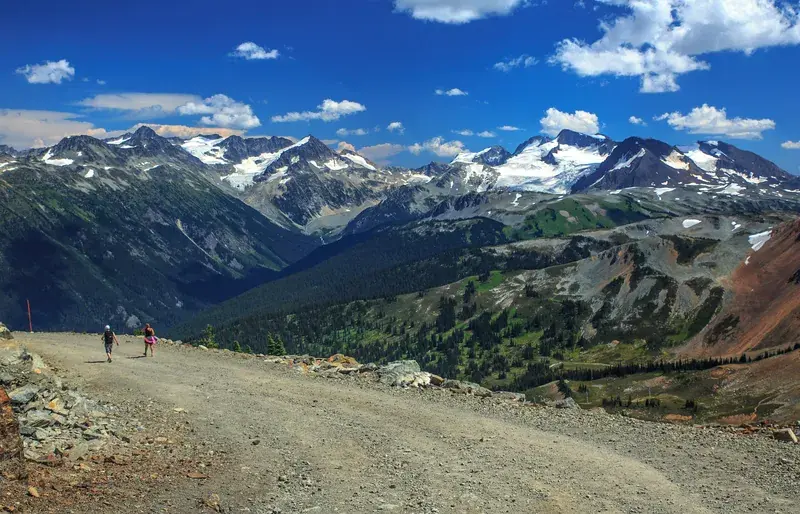
The amenities are outdoor and urban at once. From Vancouver you can walk a seawall, ride a harbour, and look up at peaks that still hold snow late in the year. A short way north, Whistler is a mountain town in the Coast Mountains, a base for alpine days and a village life in the valley. On the west coast of Vancouver Island, Tofino sits beside Pacific Rim National Park Reserve, with beaches, rainforest and a Pacific swell that has made the area known for surfing and, in winter, for watching storms roll in from the open ocean. Official park and ferry notices are the source for access and conditions; they change with weather and the season.
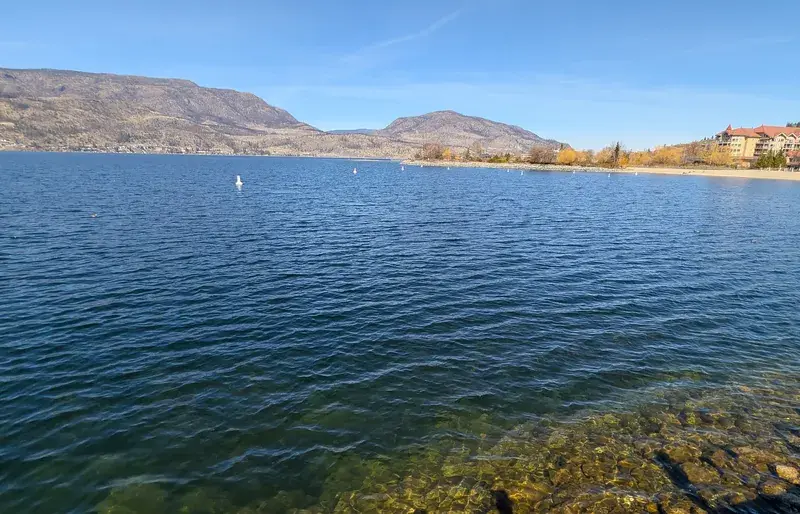
Inland, Kelowna opens the Okanagan, a lake-and-valley region with a drier, hotter summer than the coast, and a landscape of benches, orchards and vineyards above the water. The contrast is the point: the same province can feel like a rainforest coast, a harbour city, a ski mountain or a dry interior lake, depending on which guide you open. That range is the local character of British Columbia, and it is why a stay here is usually a stay in one of those places, long enough to feel its weather, not a dash through all of them.
History on this coast is Indigenous first, with many First Nations whose languages and territories predate the colonial ports. Victoria and Vancouver grew later as British colonial and Canadian Pacific cities, facing Asia across the Pacific and linked east by mountain highways and rail. You feel that layered history in the harbours, in the names on the land, and in the working waterfronts still tied to ferry and port life. The city and town guides below tell those stories in place. Start with the one that holds you — a harbour capital, a mountain village, a Pacific park town, a lake city, or Vancouver itself — and search stays there.
How long to stay
We would allow two or three full days if you want official Vancouver or official Victoria at an unhurried pace. Add more days if you want a second official coast, island or park town as well. That is our suggestion, not an official recommended length of stay. Confirm hours and tickets before you go.
Quick facts
- Guides on this site
Vancouver, Victoria, Kelowna, Whistler and Tofino, under the Canada hub. The north coast, the Kootenays and many Interior towns are not all listed here yet.
- Getting around
Vancouver International is the main gateway. Victoria is reached by official BC Ferries, air, or bus-and-ferry. Kelowna has its own airport. Official DriveBC and ferry notices are the source for highway and sailing status (checked 20 November 2026).
- Travel inside Canada
A trip to British Columbia from elsewhere in Canada is travel inside the country. For a domestic flight, follow the Government of Canada's pre-boarding identification requirements (checked 20 November 2026).
- How long
Our pick: We would allow two or three full days if you want official Vancouver or official Victoria at an unhurried pace. Add more days if you want a second official coast, island or park town as well. Confirm hours and tickets before you go.