A straightforward first-visit plan: stay on one official island already on this site, then add a second official island only if you want another official country and another official shore. The Caribbean is not one country. Details below were taken from official pages, except where a source is dated earlier. They can change, so confirm before you go.
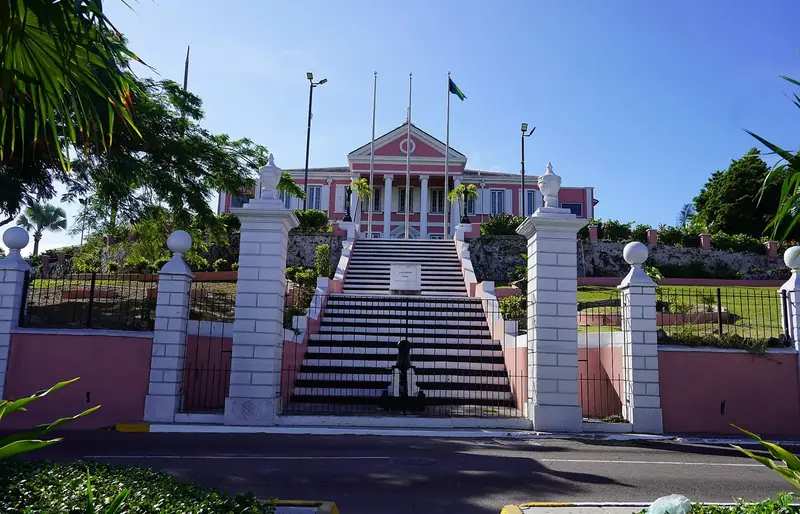
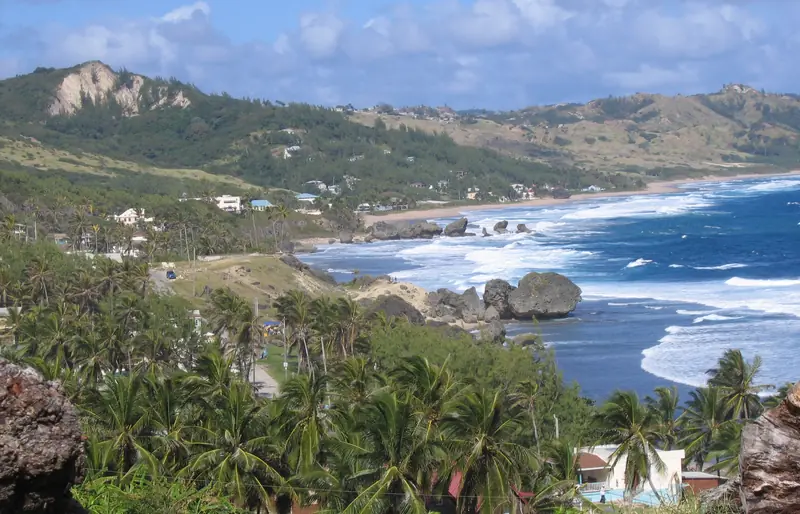
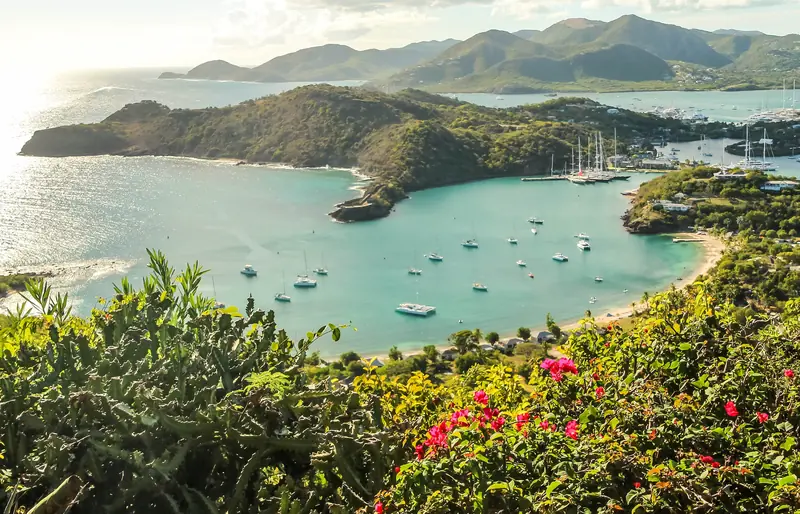
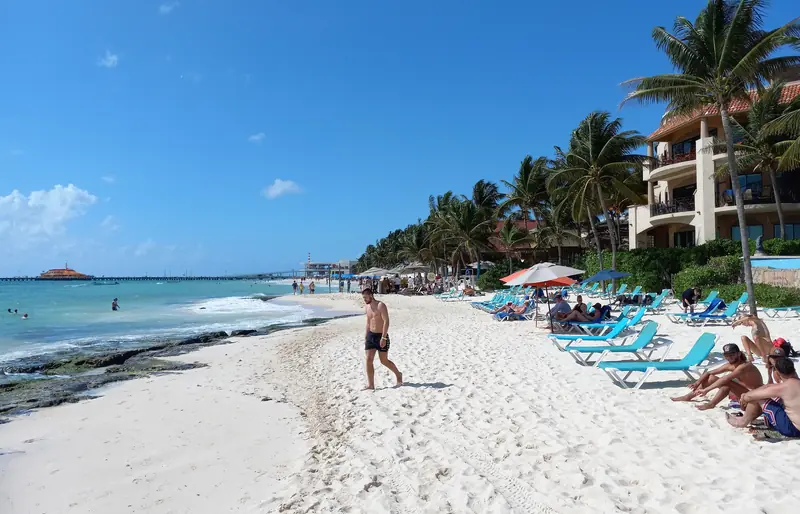
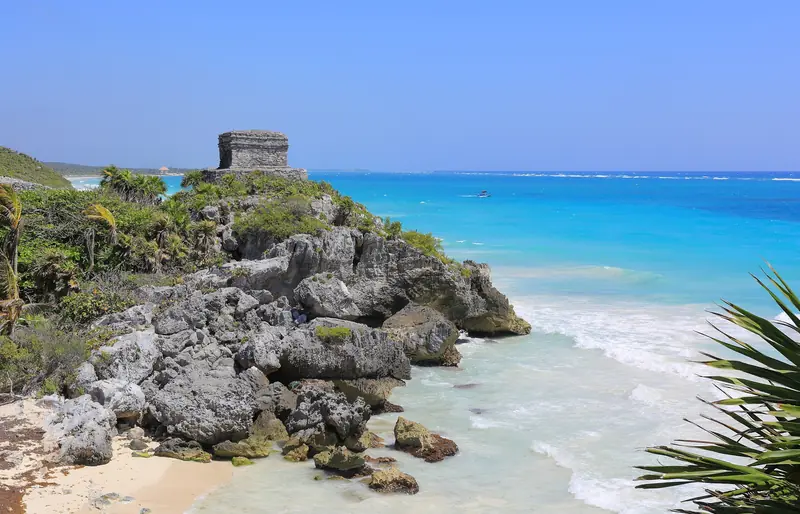
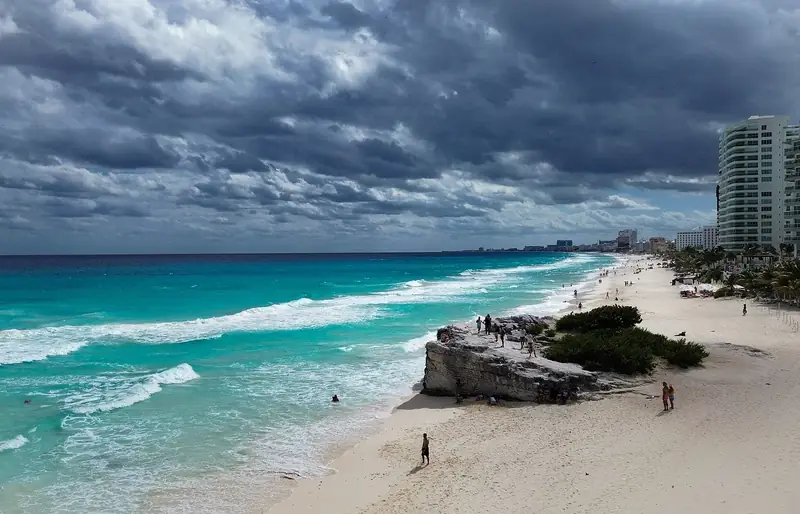
The Caribbean is not one country. It is a sea of islands and coasts, each with its own language, flag and history — Taíno and Kalinago first, then a colonial era of Spanish, British, French and Dutch rule, and the African roots that still shape music, food and everyday life. This site already has guides for Nassau in the Bahamas, Barbados, Antigua, San Juan in Puerto Rico, Montego Bay and Negril in Jamaica, Punta Cana in the Dominican Republic, Varadero in Cuba, Aruba, Curaçao, Saint Lucia, and Turks and Caicos, and it also includes the Mexican Caribbean towns already on the Mexico hub: Cancun, Playa del Carmen and Tulum. That list is a set of starting points, not a complete map of the sea.
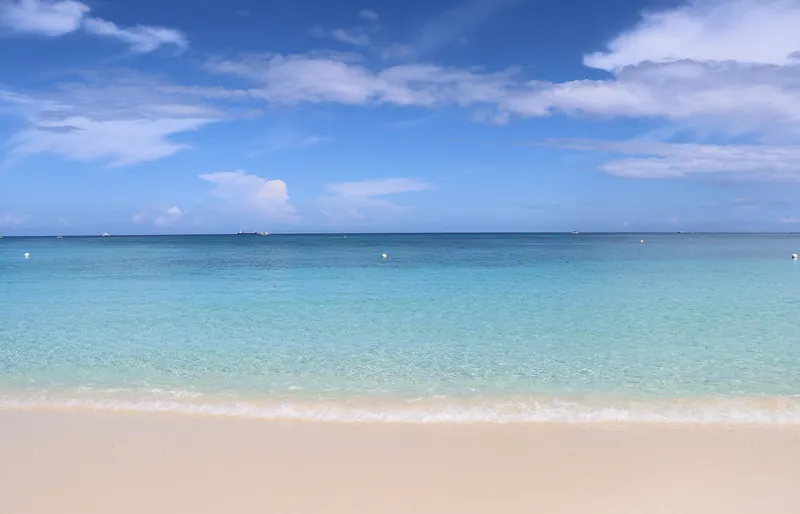
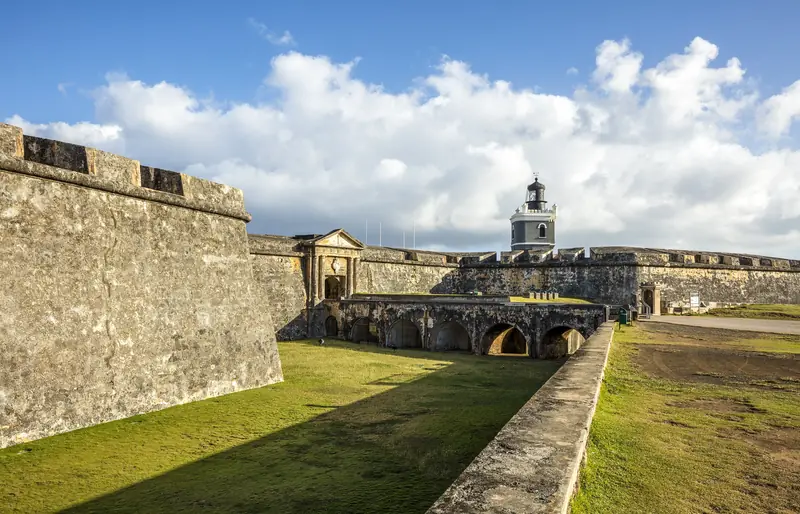
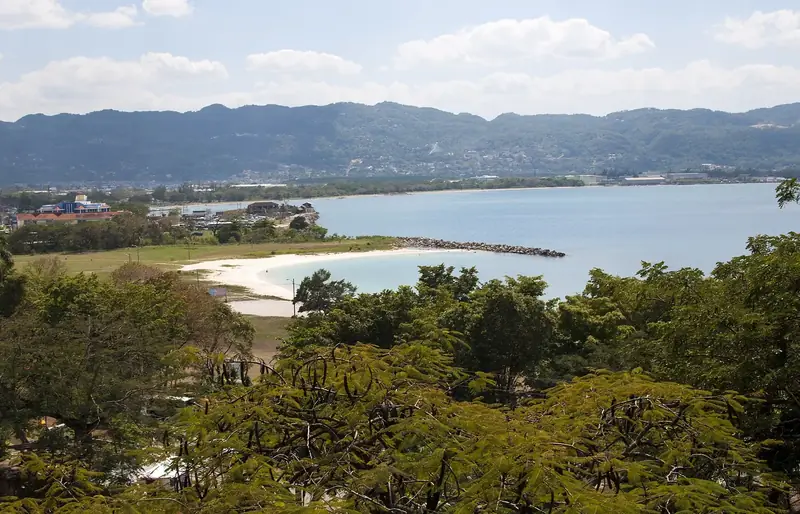
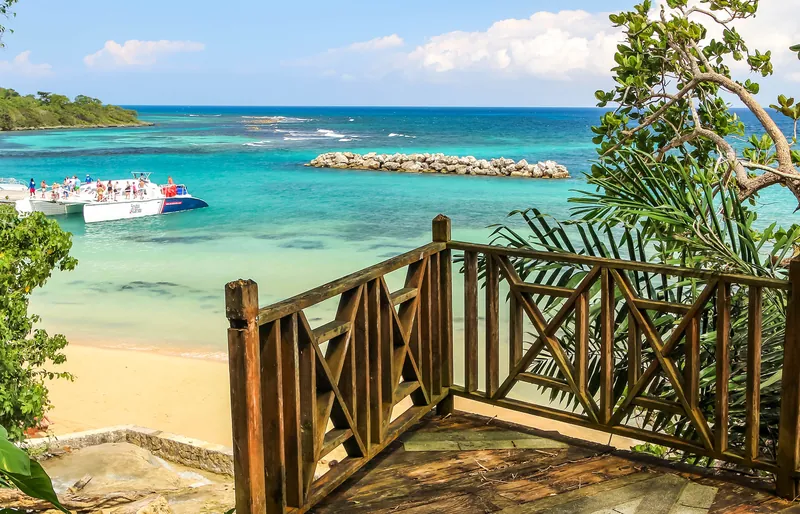
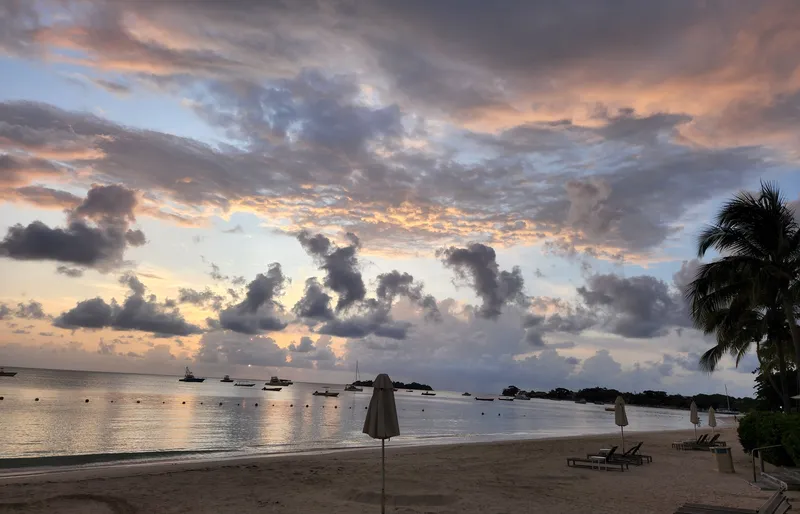
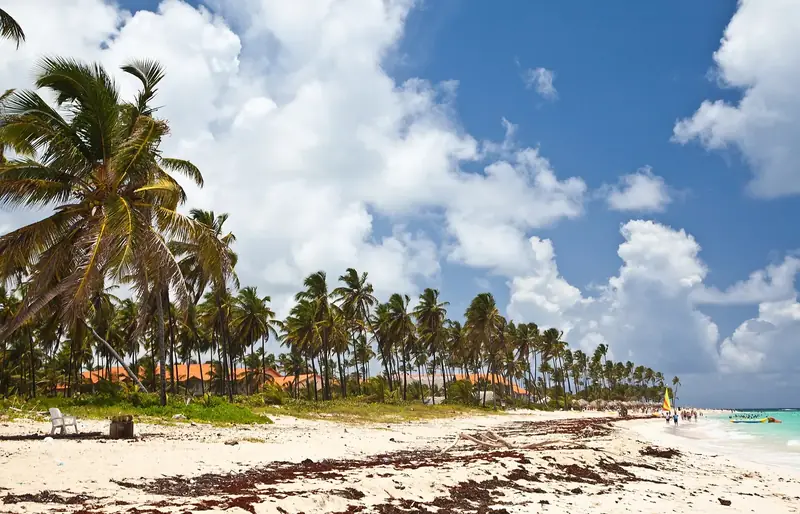
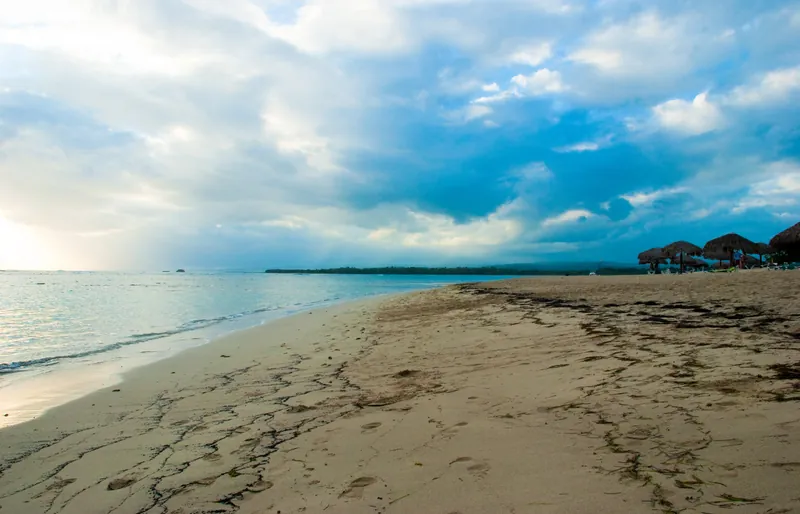
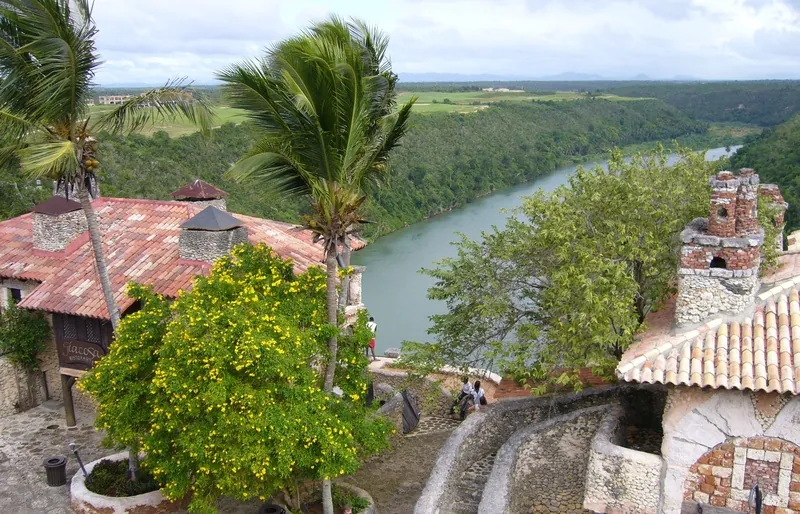
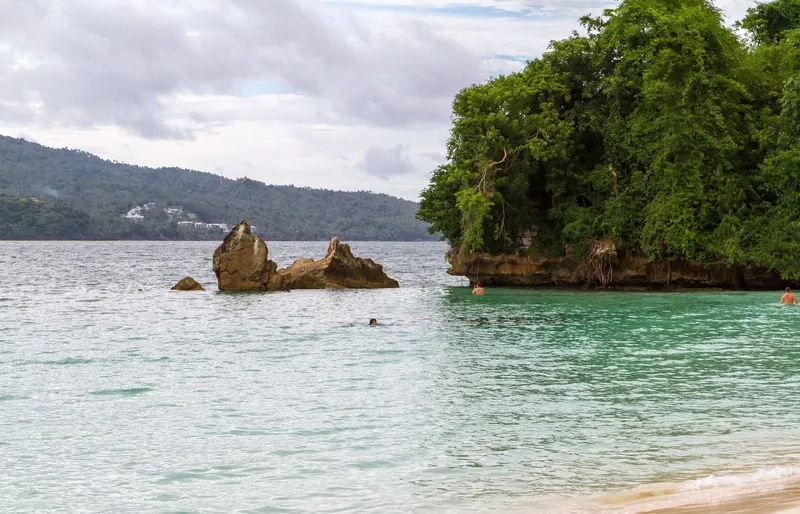
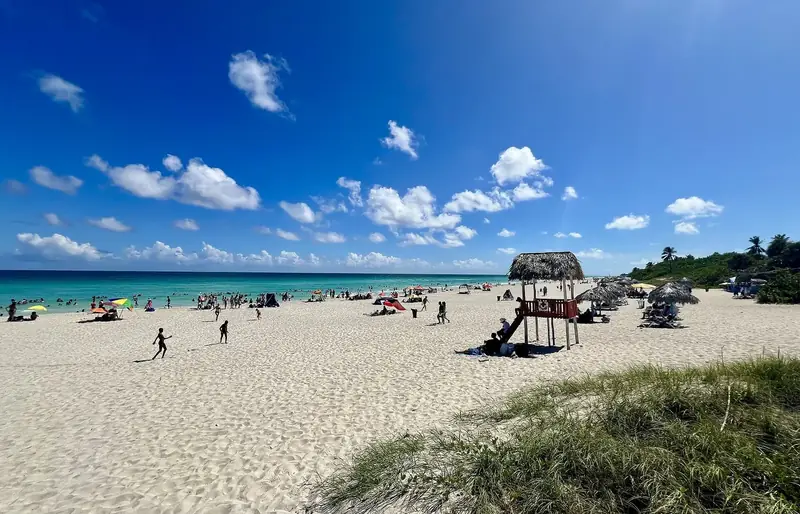
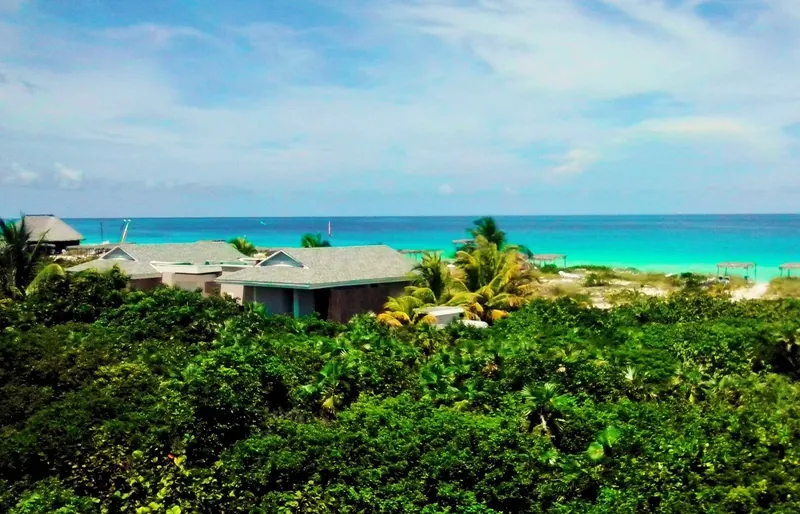
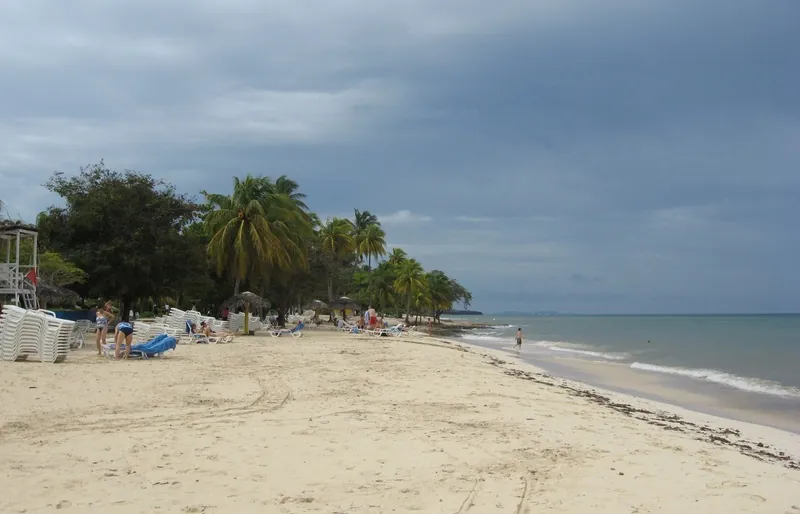
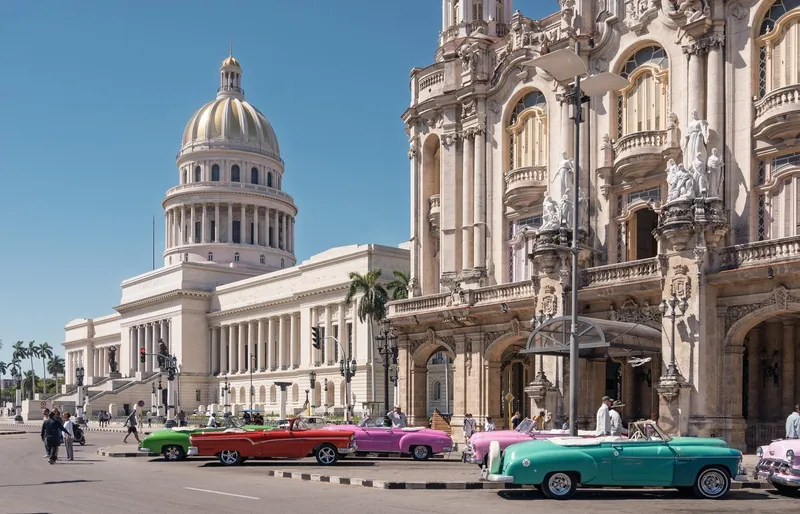
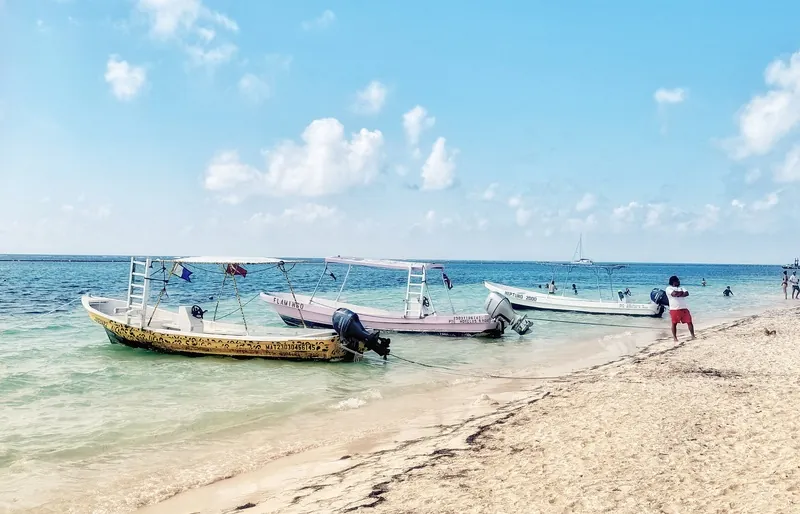
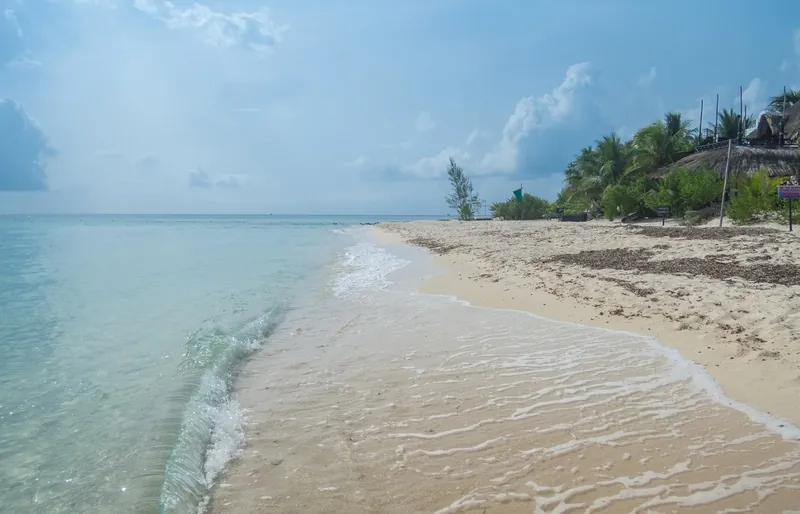
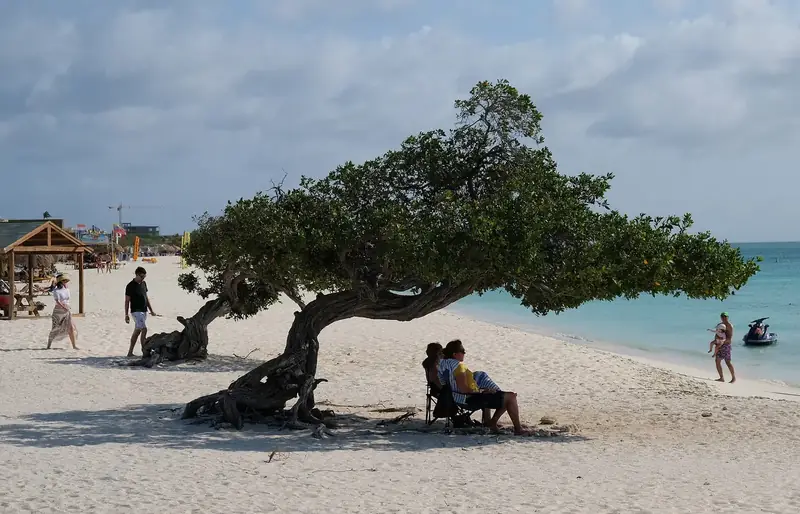
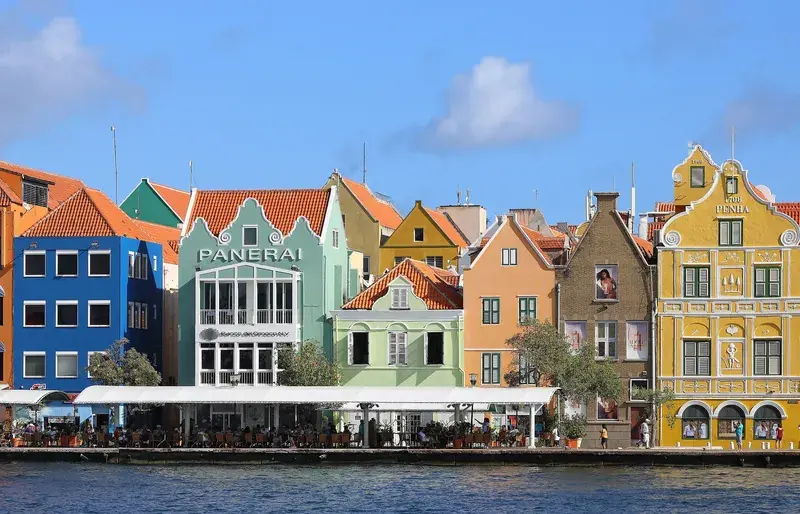
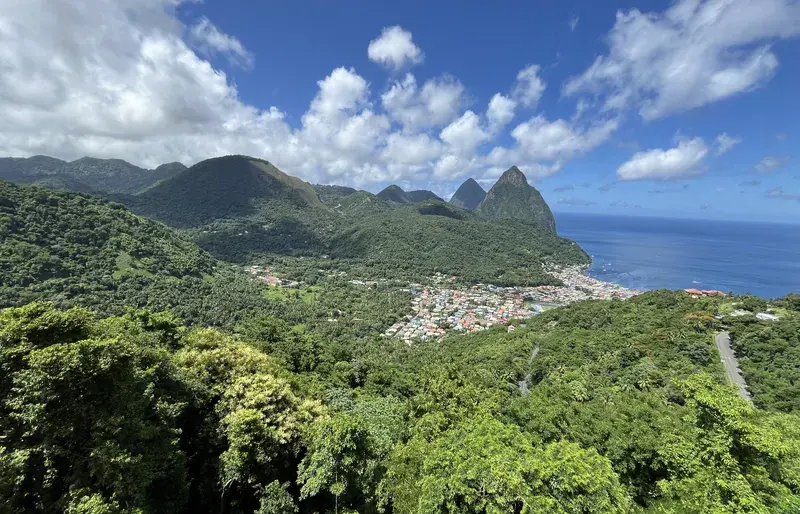
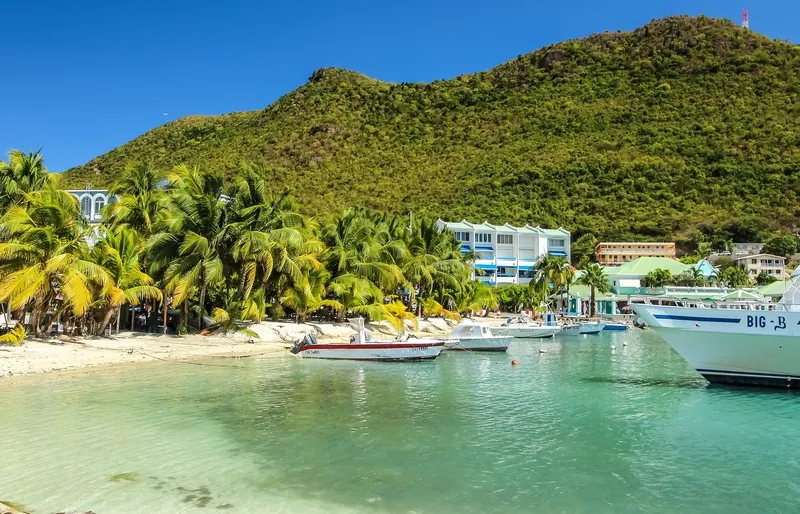
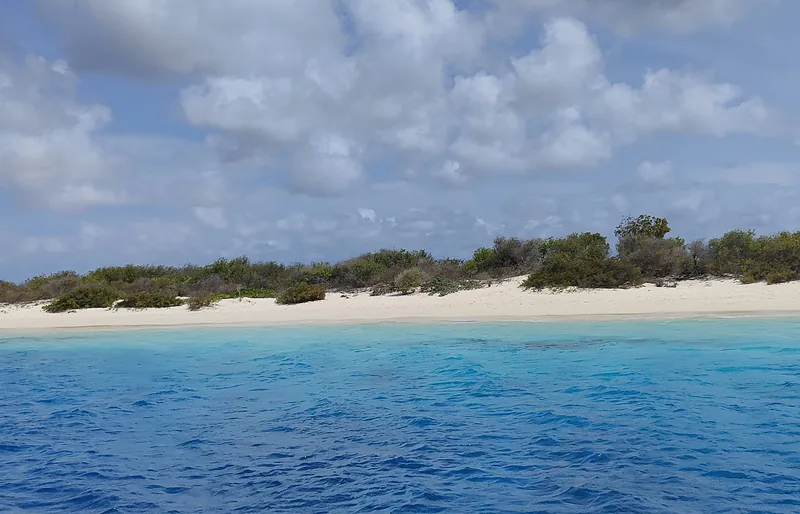
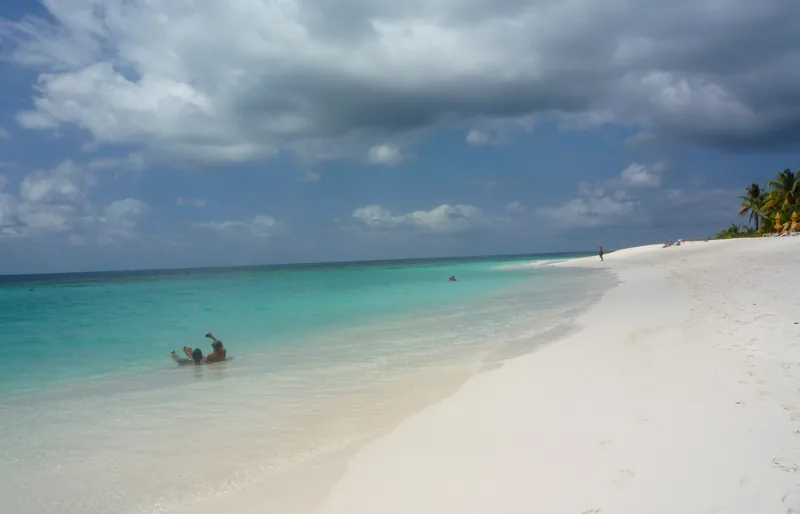
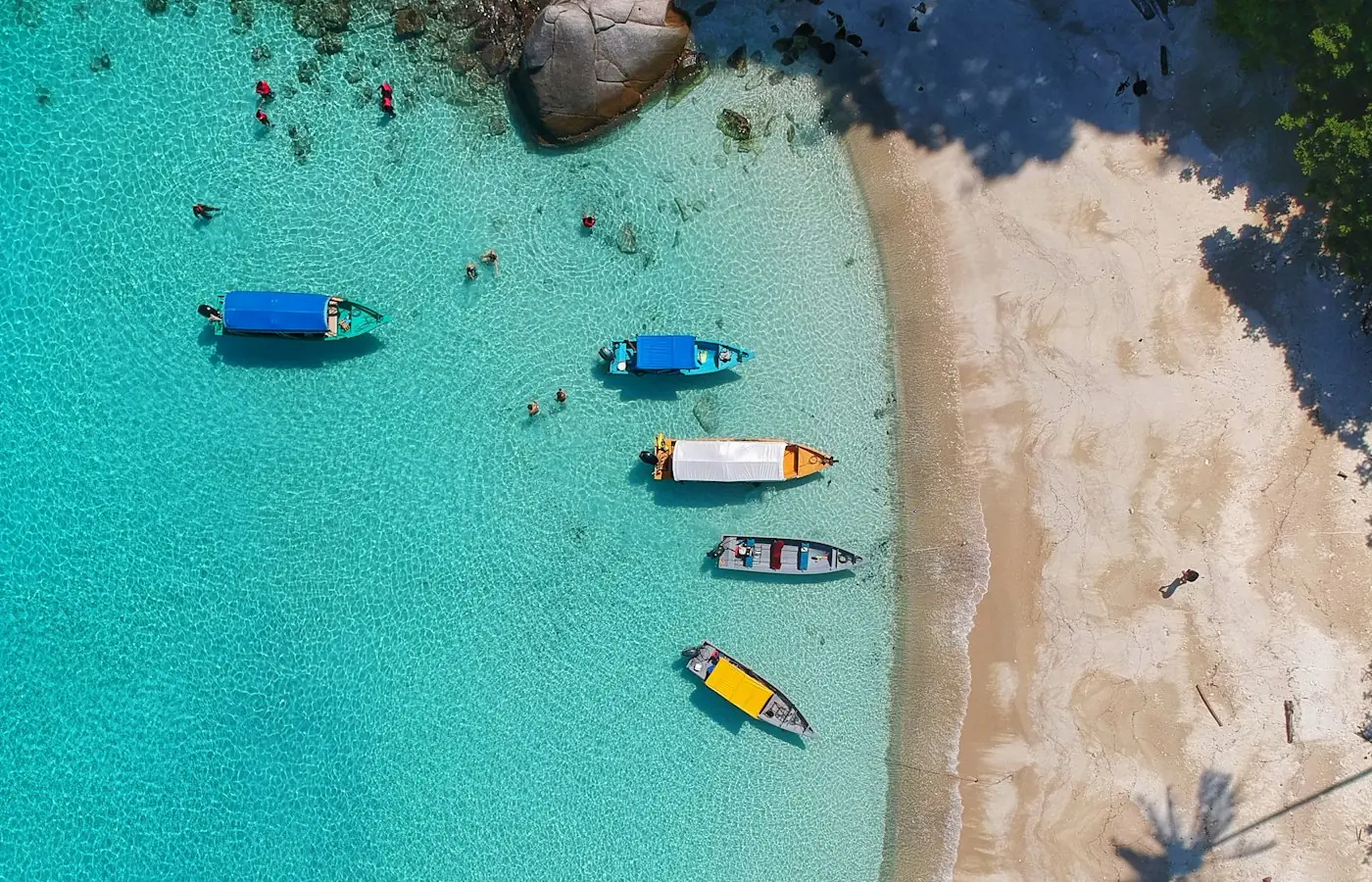
The amenity that first sells the region is the water: pale sand, turquoise shallows, reefs and a climate that has made these islands a classic warm-weather escape from Canada. But the islands are not interchangeable. Barbados and Antigua have their own British-colonial and independent island histories. Jamaica's north-coast towns, Montego Bay and Negril, have different paces and official stories, told in those guides. The Dominican Republic's Punta Cana is a long resort shore on the eastern tip of the island. Nassau is a capital and a cruise port. San Juan is a historic Caribbean city and the capital of Puerto Rico, a United States territory, which means entry rules follow the United States, not an independent island state. Aruba and Curaçao, in the Dutch Caribbean, sit farther south, closer to South America, with a drier landscape and their own languages and street life. Their storm risk is not the same as that of the northern and eastern Caribbean; the island guides and official forecasts are the source. Saint Lucia is a volcanic island of Pitons and rainforest. Turks and Caicos is a low limestone chain known for its banks and beaches. Cuba's Varadero is a long peninsula beach with a different political and travel context, explained in that guide.
The local character of a stay here is always the character of one island, or one coast, not of "the Caribbean" as a single place. You pick a shore, a town and a kitchen, and you stay long enough to feel that island's own music and its own history. The cards below send you to those guides. Entry, currency and official advice all depend on the country or territory you choose; Puerto Rico is not the same as Jamaica or the Dominican Republic. Confirm on the Government of Canada's travel advice for that destination before you go. Official hurricane season in the Atlantic, Caribbean Sea and Gulf of Mexico runs from early June to the end of November, and forecasts can change a trip at short notice. Use the island guide first, then search stays for that place.
How long to stay
Two or three full days usually works, in our view, if you want one official island at an unhurried pace. Add more days if you want a second official island as well. That is our suggestion, not an official recommended length of stay. Confirm hours, tickets and official entry rules before you go.
Quick facts
- Guides on this site
Nassau, Barbados, Antigua, San Juan, Montego Bay, Negril, Punta Cana, Varadero, Aruba, Curaçao, Saint Lucia, Turks and Caicos, plus Cancun, Playa del Carmen and Tulum on the Mexican Caribbean. This is not a complete list of the region.
- Entry rules
Requirements depend on the island or country. Puerto Rico is a United States territory; Canadian citizens follow United States entry rules there. Other destinations have their own passport and visitor-entry rules. Confirm on the Government of Canada's travel advice for that destination (checked 20 November 2026). Start with the travel advice and advisories.
- Hurricane season
The Government of Canada says the hurricane season in the Atlantic, Caribbean Sea and Gulf of Mexico is from early June to the end of November (checked 20 November 2026). Official forecasts and local authorities are the source during those months. Some islands in the southern Dutch Caribbean have a different risk profile; see the Aruba and Curaçao guides.
- How long
Our pick: Two or three full days usually works, in our view, if you want one official island at an unhurried pace. Add more days if you want a second official island as well. Confirm hours, tickets and official entry rules before you go.