A straightforward first-visit plan: spend time in one official city or on one official coast already on this site, then add a second official region only if you want another official setting. Details below were taken from official pages, except where a source is dated earlier. They can change, so confirm before you go.
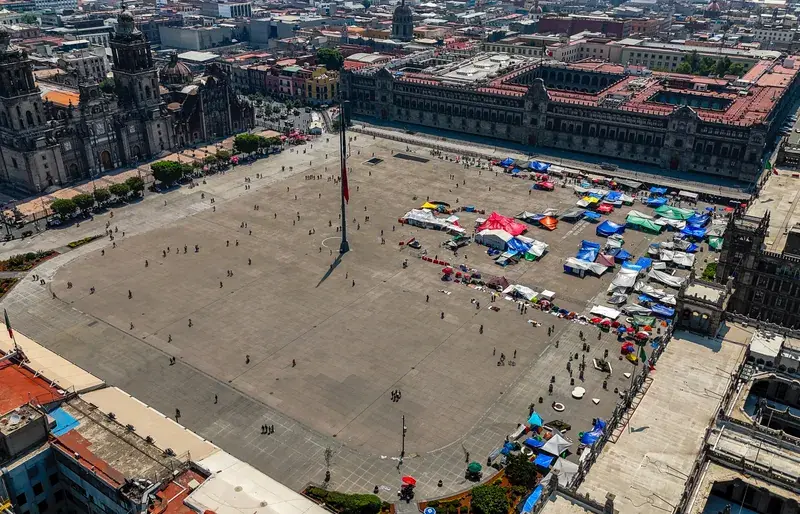
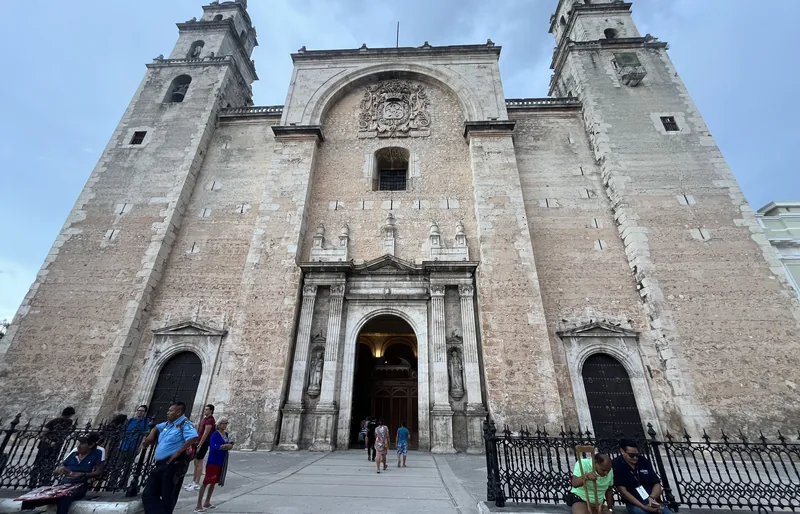
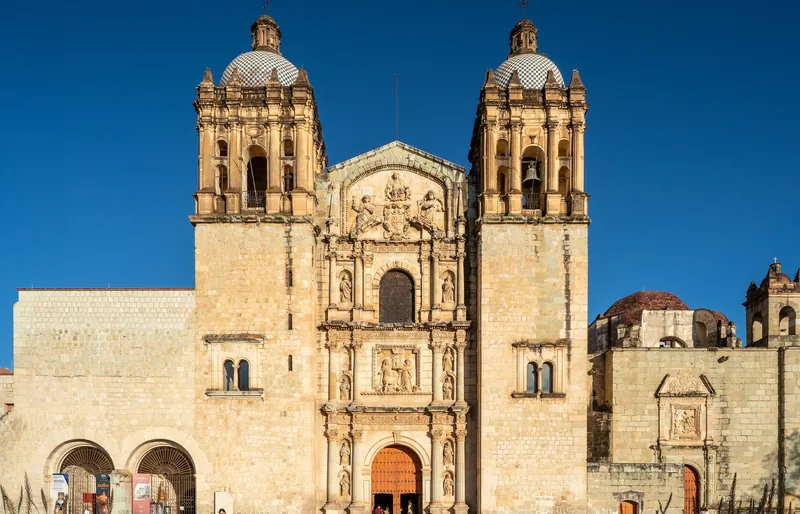
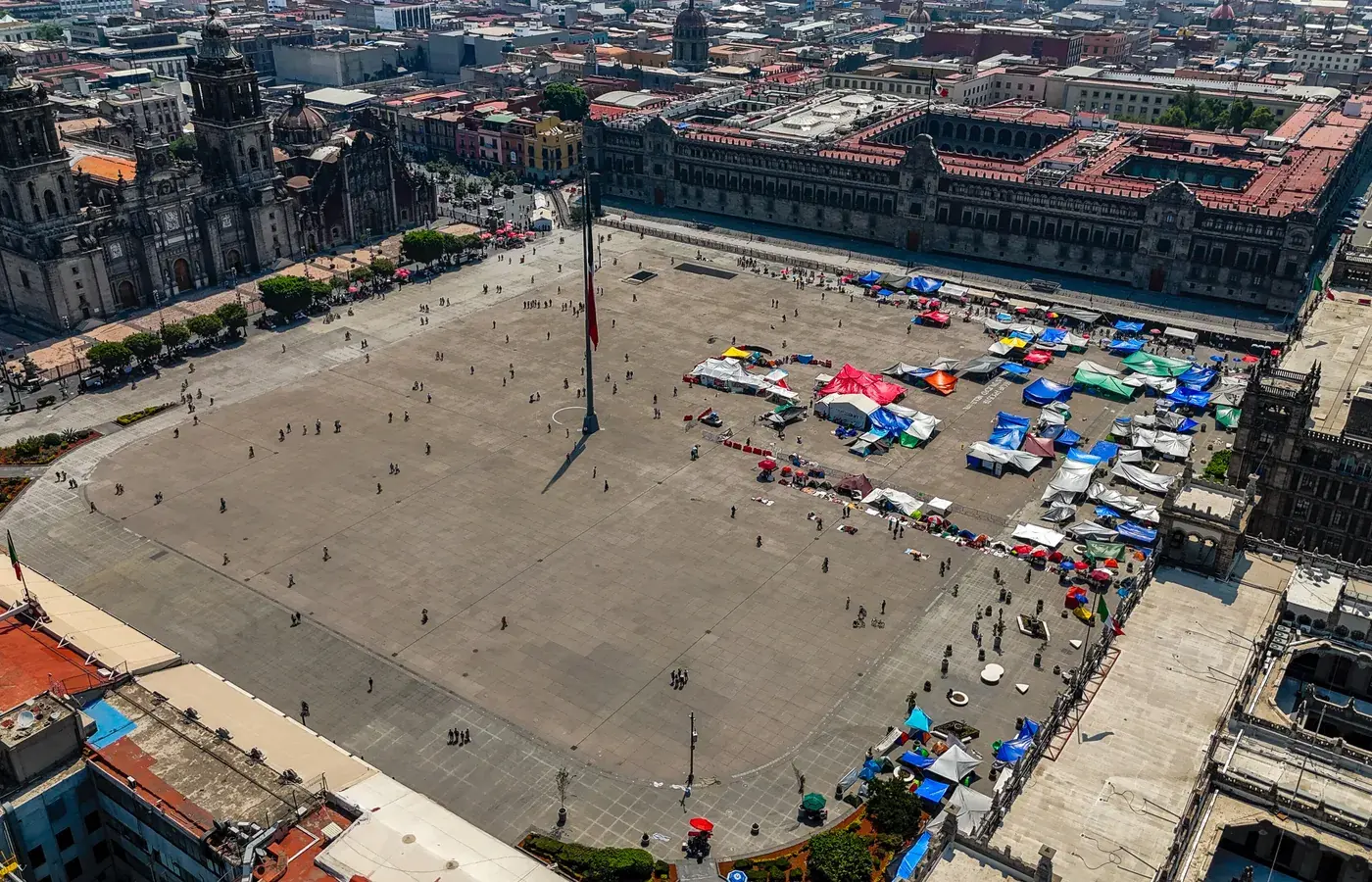
Mexico is a country of a highland capital, a Caribbean shore, a long Pacific coast, and a deep pre-Hispanic and colonial history that is still visible in stone. Mexico City, in the high valley at the centre of the country, is one of the great cities of the Americas. Its Historic Centre, a UNESCO World Heritage Site, stands on land that was Tenochtitlan, the Mexica capital, and later the heart of New Spain: a formal plaza, cathedrals and palaces over older foundations, with neighbourhoods and museums around it. Nearby, the pre-Hispanic city of Teotihuacan is a World Heritage site of another kind — a vast ceremonial landscape of pyramids and avenues. The Mexico City guide on this site is the place to start for that capital.
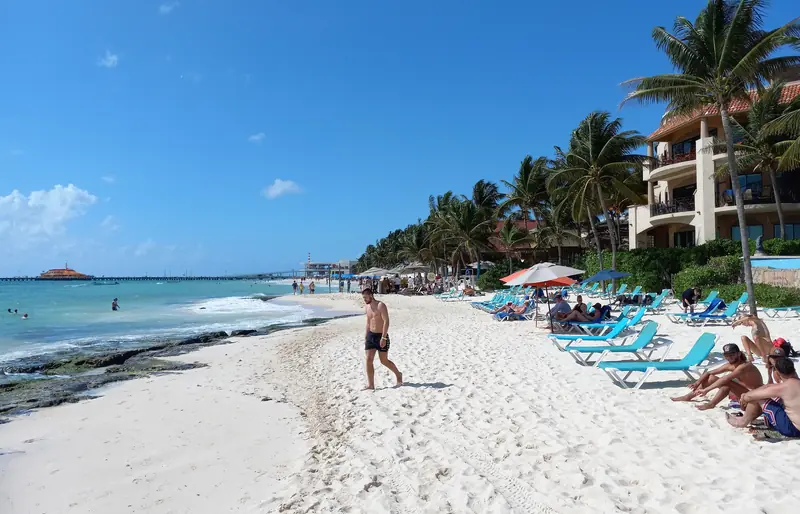
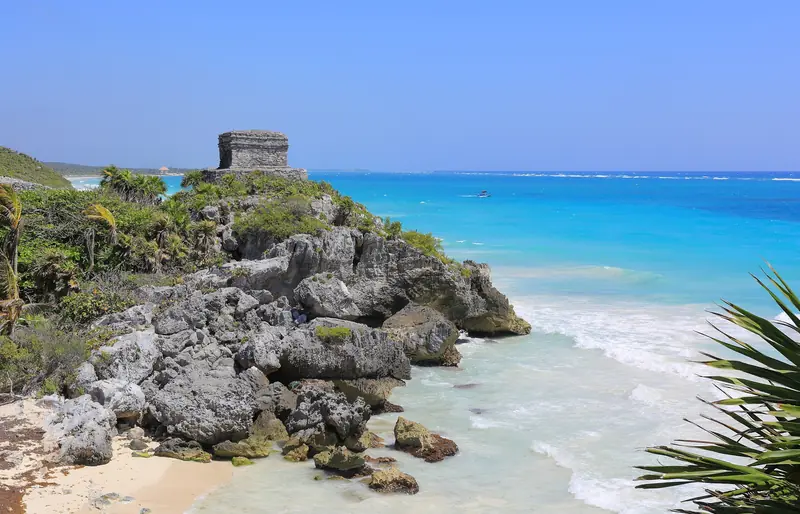
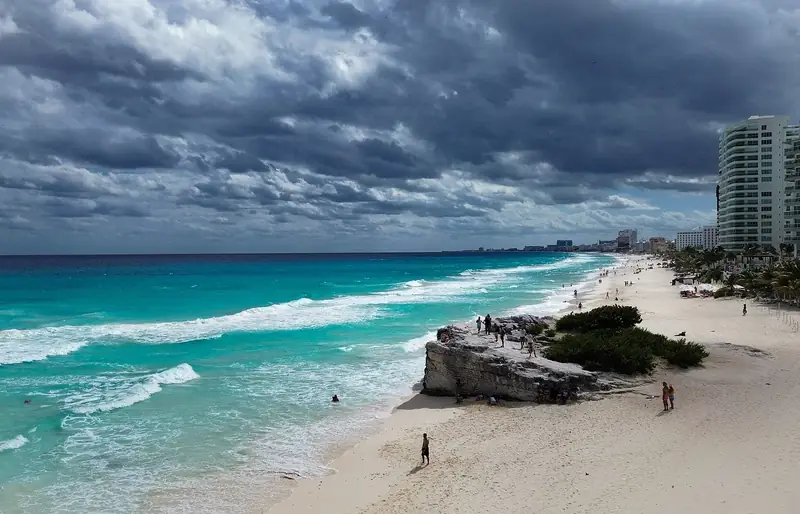
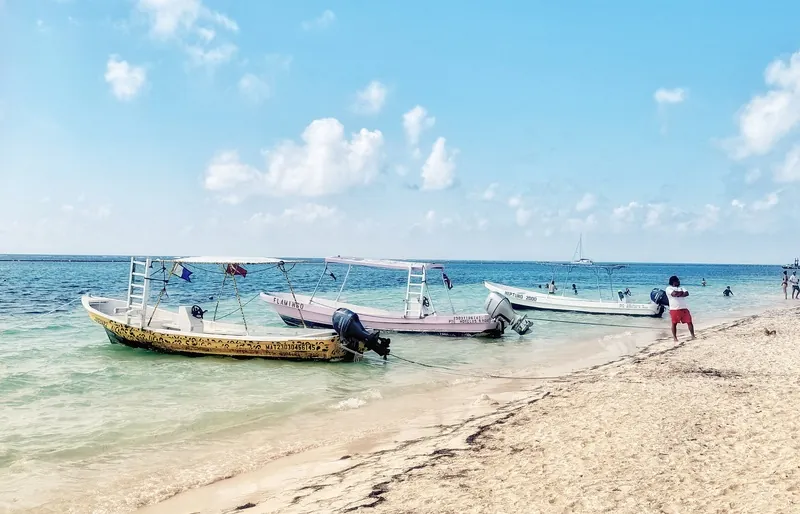
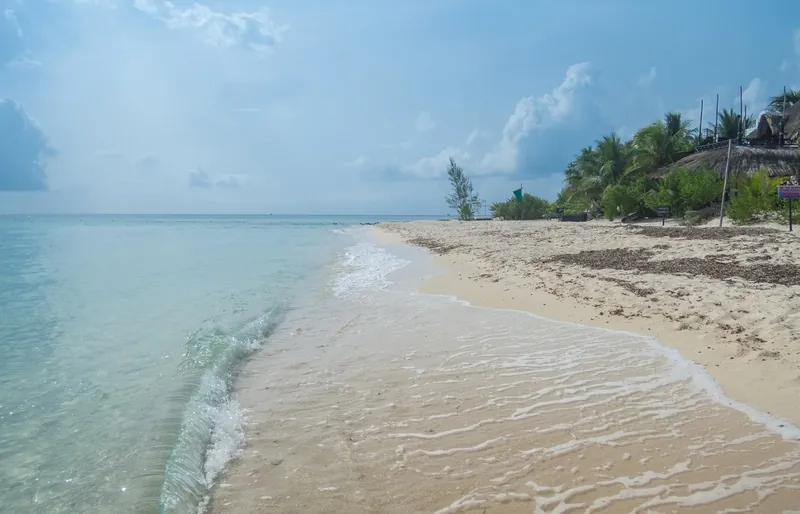
On the Caribbean, the Yucatán coast has become one of the main warm-weather destinations from Canada. Cancun, Playa del Carmen and Tulum are the guides already built here: a planned resort city, a shoreline town, and a town beside Maya ruins and beach, each with a different pace. Official history on this coast is Maya first, then a much later resort era. The city and town guides tell those stories without inventing a single "Mexican Caribbean" that erases the differences between them.
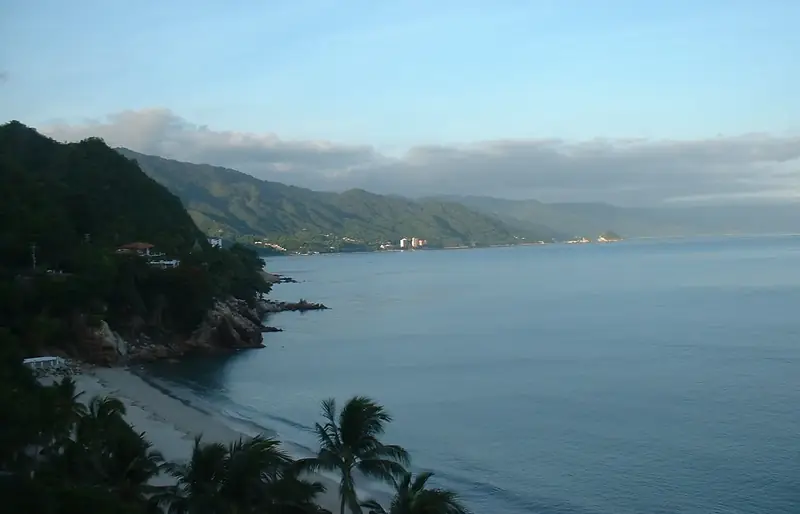
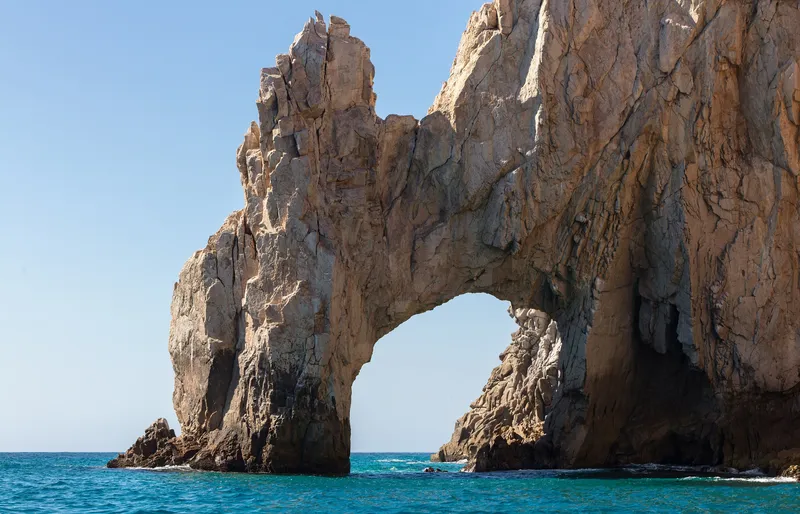
On the Pacific, Puerto Vallarta sits on Bahia de Banderas, a bay-and-mountain town with a historic centre and a long hotel zone. At the foot of the Baja California peninsula, Cabo San Lucas is a Cape destination of desert meeting the sea, at the official meeting of the Pacific and the Gulf of California. Those two Pacific guides are a different Mexico from the Yucatán, and a different Mexico again from the capital: drier light, a different kitchen, a different outdoor life. The local character of a stay here depends entirely on which of those Mexicos you choose.
The amenities are urban culture, archaeological sites, beaches and the ordinary life of neighbourhoods and markets. Entry rules for Canadian citizens, including passport validity and Mexico's visitor forms, are official and can change; they are summarised in the facts and FAQ below and should be confirmed on the Government of Canada's Mexico travel advice before you go. Coastal trips also fall inside official hurricane seasons in the Pacific and in the Atlantic, Caribbean and Gulf. Open a city guide first, then search stays for that place. The map on this page can help once you know which coast, or which capital, you are aiming for.
How long to stay
Two or three full days usually works, in our view, if you want one official city or official coast at an unhurried pace. Add more days if you want a second official region as well. That is our suggestion, not an official recommended length of stay. Confirm hours, tickets and official entry rules before you go.
Quick facts
- Guides on this site
Mexico City, Cancun, Playa del Carmen, Tulum, Puerto Vallarta and Cabo San Lucas. This is not a complete list of the country.
- Entry from Canada
Canadian visitors need a passport valid for the expected duration of their stay. A tourist visa is not required for stays of up to 180 days (checked 20 November 2026). If you arrive by air you complete a Multiple Digital Migratory Form (FMMD) online upon arrival and should keep a copy with you. If you enter by land you complete a Multiple Immigration Form (FMM), unless you stay less than 72 hours in the northern border zone. Always carry the form as proof of legal status. Confirm on the Government of Canada's Mexico travel advice.
- Hurricane season
The Government of Canada says the hurricane season is from mid-May to the end of November in the Pacific, and from early June to the end of November in the Atlantic, Caribbean Sea and Gulf of Mexico (checked 20 November 2026). Official forecasts and local authorities are the source during those months.
- Official travel advice
The Government of Canada currently advises travellers to Mexico to exercise a high degree of caution, with regional advisories (checked 20 November 2026). Read the full official page before you go. Advice can change.
- How long
Our pick: Two or three full days usually works, in our view, if you want one official city or official coast at an unhurried pace. Add more days if you want a second official region as well. Confirm hours, tickets and official entry rules before you go.