
A straightforward first-visit plan: spend time in one official city already on this site, then add a second official city only if you want another official region. The United States is large enough that a first trip is usually one official city, or one official city and a nearby official shore or park. Details below were taken from official pages, except where a source is dated earlier. They can change, so confirm before you go.
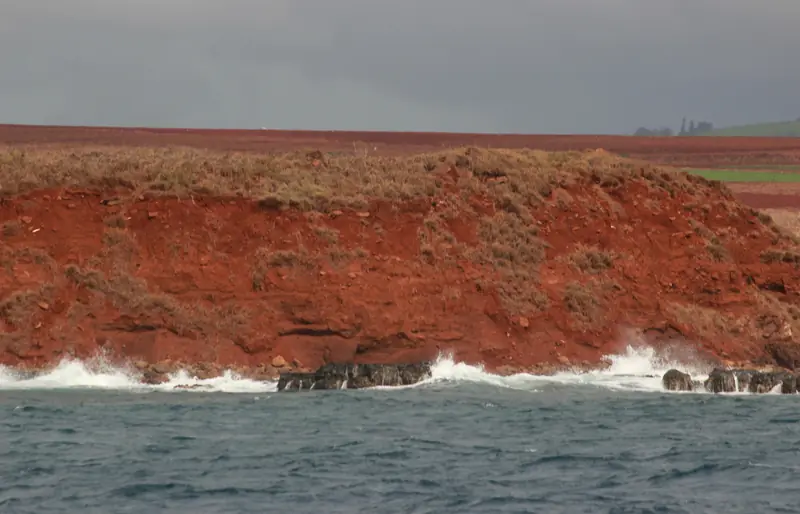
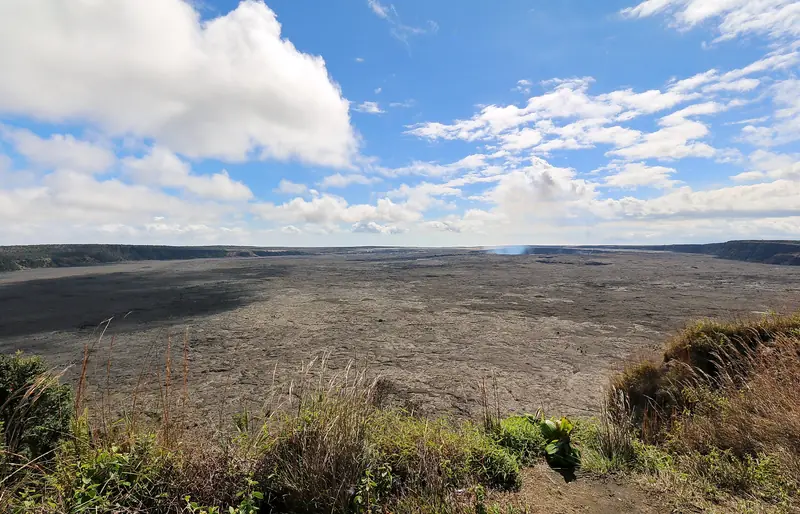
The United States is a continental country, from the Atlantic seaboard to the Pacific, with Hawaii a state of its own in the middle of the ocean. This site does not try to cover all of it. The guides already on this site run from New York, Boston and Washington, D.C., through Chicago, Nashville and New Orleans, down the Florida coast, and west to Denver, Austin, Las Vegas, Los Angeles, San Diego and Seattle. Hawaii now has its own hub, covering Honolulu on O‘ahu, Maui, Kaua‘i and the Big Island. What those places share is scale and variety: dense historic cities, national parks and public lands, long beaches, and a road-and-air network that makes a stay in one region feel complete without crossing the whole map.
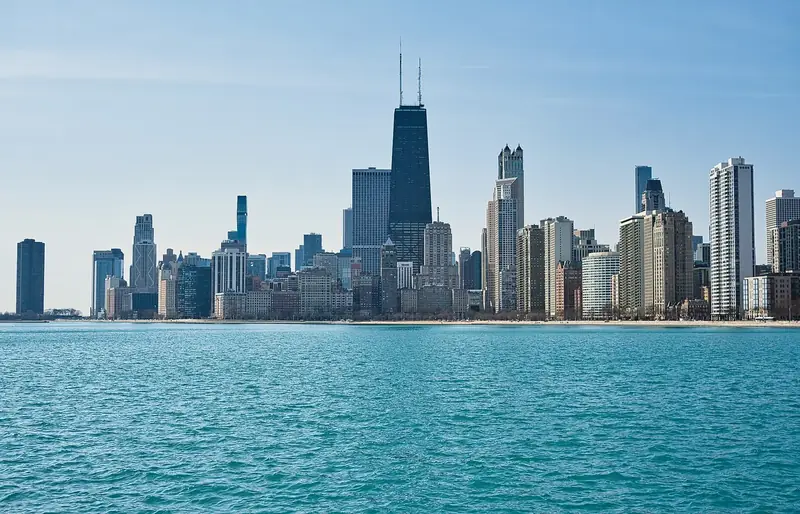
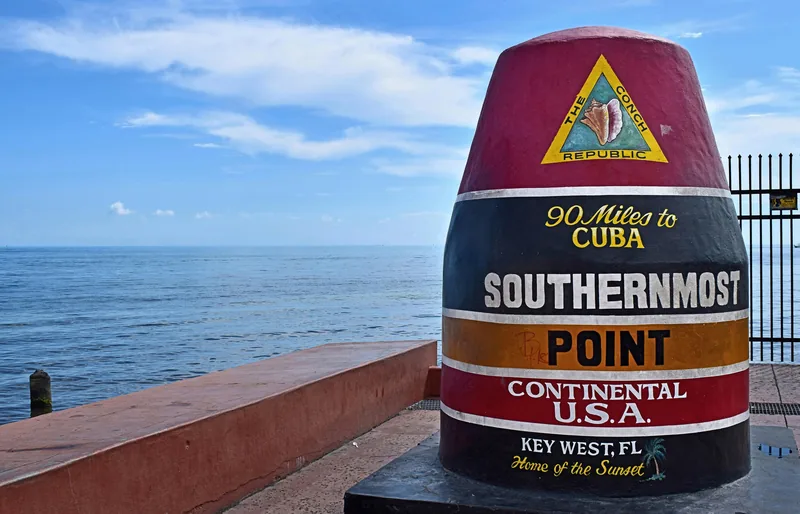
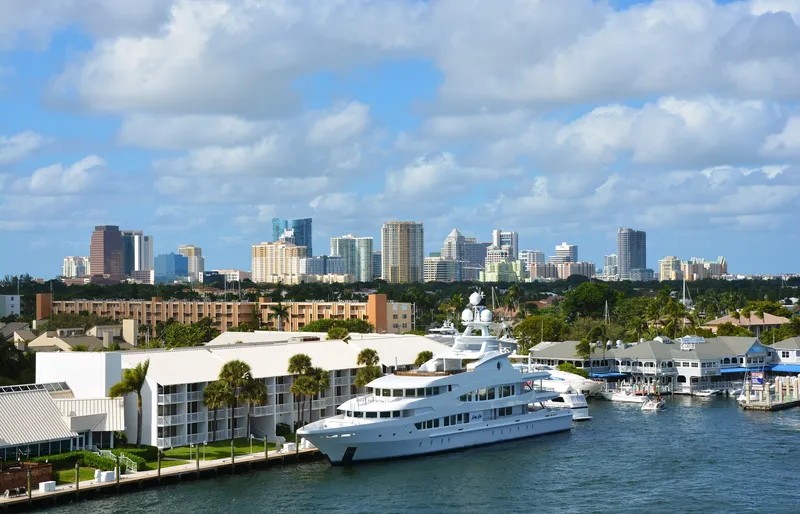
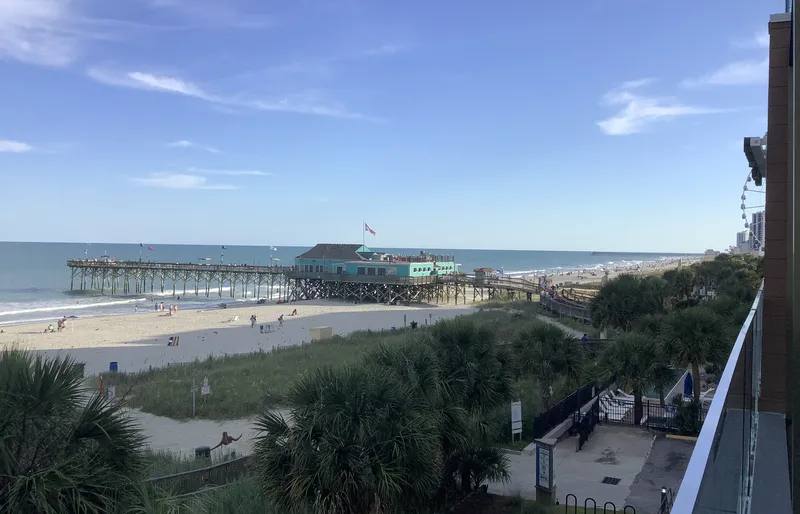
The amenities are civic as much as scenic. New York remains the country's largest city and a world stage of museums, theatres, parks and harbour neighbourhoods; the New York guide on this site is the place to start there. Washington, D.C., is the capital, a city of official monuments, museums and tree-lined axes. Chicago stands on Lake Michigan. In the South, New Orleans keeps a character — river, music, a historic core — that does not resemble the mountain West or New England, and Nashville has its own musical main street. Florida's guides, from Miami and Fort Lauderdale to Orlando, Tampa, Fort Myers and Myrtle Beach a little farther up the Atlantic, are the warm-coast and theme-park stays already built here. In the West, the desert city of Las Vegas, the Southern California coast from Los Angeles to San Diego, Denver at the edge of the Rockies, Austin in Texas, and Seattle on Puget Sound each have a different light, a different table, and a different outdoor life.
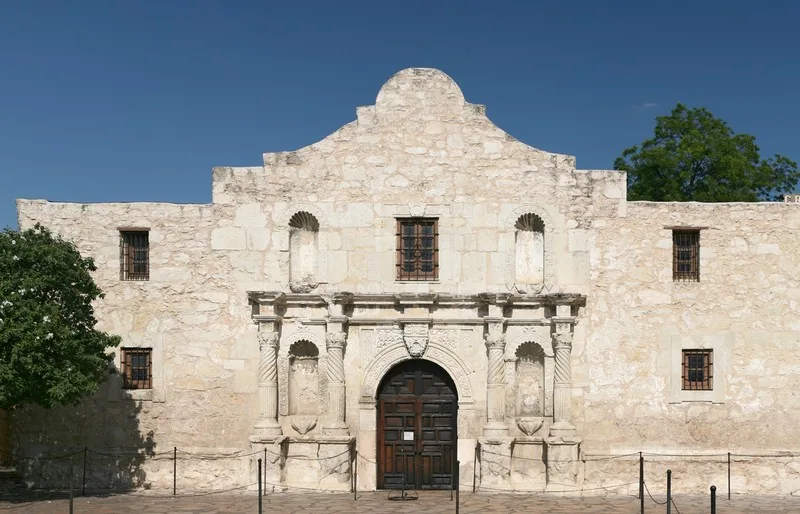
History in a country this large is not one story. It is Indigenous nations first, then colonial coasts, a federal capital, immigration into the great cities, and a westward expansion that still shapes the landscape you drive through. The city guides tell those stories in place, with official sources, rather than as a single national essay. The local character of a trip here depends entirely on which of those places you choose. A stay in New York is not a stay in New Orleans. A stay on the Florida coast is not a stay in the Colorado foothills. That is the point of a hub like this: to send you on to a city or to the Hawaii hub, and to let that place do the selling.
Canadian travellers reach most of these cities by air from Toronto, and some, near the border, by land. Entry rules for Canadian citizens are official and specific; they are summarised in the facts and FAQ below and should always be confirmed on the Government of Canada's United States travel advice before you go. Open a city guide, or the Hawaii hub, then search stays for that place. A hotel map of the entire country is too wide to help.
How long to stay
Two or three full days is our suggestion if you want one official city at an unhurried pace. Add more days if you want a second official city or a nearby official shore or park as well. That is our suggestion, not an official recommended length of stay. Confirm hours, tickets and official entry rules before you go.
Quick facts
- Guides on this site
Cities from New York, Boston and Washington, D.C., through the South, Florida, the West and the Pacific coast, plus the Hawaii hub for Honolulu, Maui, Kauai and the Big Island. This is not a complete list of the country.
- Entry from Canada
Canadian citizens travelling by air to the United States must present a passport valid for the duration of their stay, or a valid NEXUS card used at self-serve kiosks at designated airports. That air requirement applies to all Canadian citizens, including children, and also to air transit through the United States. The Government of Canada says Canadian visitors can usually stay in the United States for 6 months without a visa, and that in most circumstances Canadian citizens do not require a visitor visa, with some exceptions. You must declare your intended duration of stay upon entry. Read the full United States travel advice before you go (checked 20 November 2026). Rules can change.
- Official travel advice
Read the Government of Canada's United States travel advice before you go (checked 20 November 2026). Rules and risk levels can change.
- How long
Our pick: Two or three full days is our suggestion if you want one official city at an unhurried pace. Add more days if you want a second official city or a nearby official shore or park as well. Confirm hours, tickets and official entry rules before you go.