A good first visit, in our view, looks like this: stay on one official island already on this site, then add a second official island only if you want another official shore. Inter-island flights are the usual way to visit more than one island; a stay is often simpler, and fuller, when it is concentrated on one island or two. Details below were taken from official pages, except where a source is dated earlier. They can change, so confirm before you go.
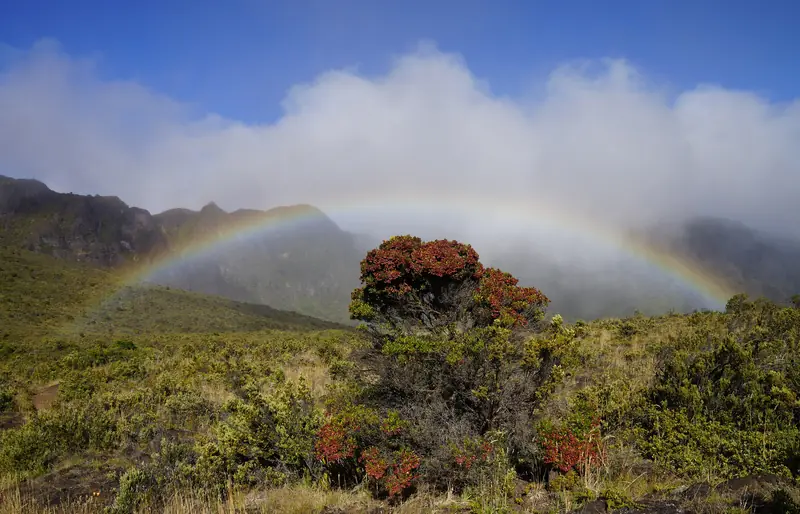
Hawaii is a United States state in the middle of the Pacific, an island chain whose character is not the same as a mainland American city stay. This site already has guides for Honolulu on O‘ahu, for Maui, for Kaua‘i, and for the Big Island. Other islands in the chain are not all listed here yet. The amenities are ocean, mountains and a living Hawaiian culture, in a place where official place names, parks and historic sites still carry the Hawaiian language. You come for that combination: a warm Pacific shore, volcanic highlands, and towns that face the sea.
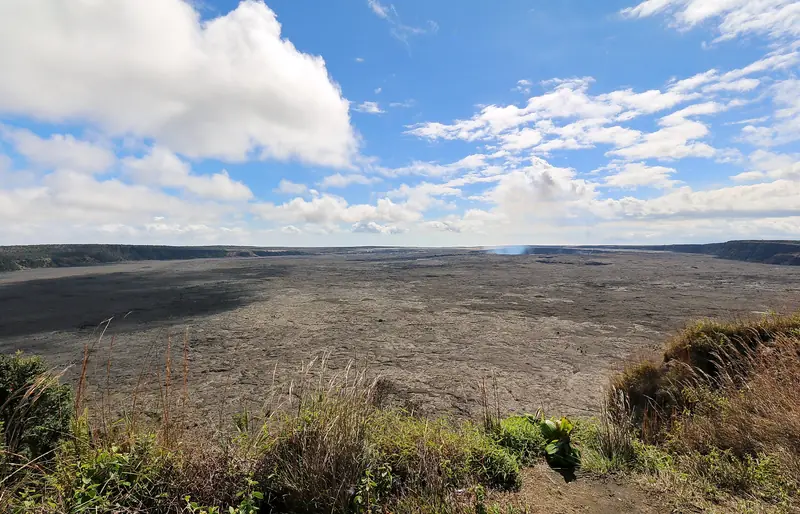
The Big Island holds one of the state's great official landscapes. Hawai‘i Volcanoes National Park, administered by the U.S. National Park Service, is home to two of the world's most active volcanoes, Kīlauea and Mauna Loa. The park is a designated International Biosphere Reserve and a UNESCO World Heritage Site. Millions of people visit to watch volcanic activity from a caldera's edge, and to walk a coastline and a highland that are still being made. The Big Island guide on this site is the place to start for that park and for the island around it. Conditions on an active volcano change; official park notices are the source, not a travel shop.
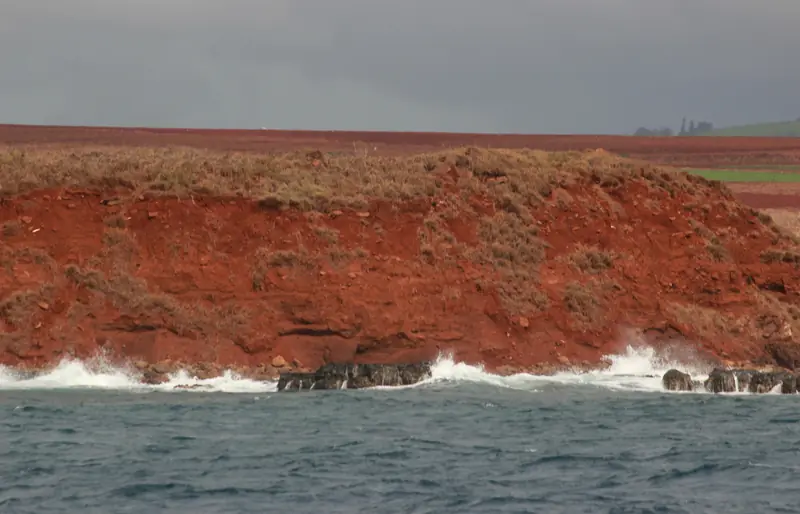
O‘ahu is the most populous island and the seat of the state capital, Honolulu, with Waikiki and Diamond Head along the urban shore and a very different windward and north-shore character a short way around the island. Maui, the second-largest Hawaiian island already on this site, has its own volcanic uplands, valleys and coasts. Kaua‘i, the northern island in this set, is known for deeply cut cliffs and a wet, green interior — the Nā Pali coast is the image already used on this hub — and for a slower, smaller-town pace than Honolulu. The four island guides tell those differences in full. A stay in Hawaii is usually a stay on one island, or two, long enough to feel its weather and its coast, not a dash through the whole chain.
Because Hawaii is a U.S. state, Canadian citizens follow United States entry rules to get here, including the official air-passport (or NEXUS) requirement. Those rules are summarised in the facts and FAQ below and should be confirmed on the Government of Canada's United States travel advice before you go. From Toronto it is a long flight, often with a connection on the mainland. Open an island guide below, then search stays for that island. The map on this page is at a scale that can still help once you know which island you are aiming for.
How long to stay
Two or three full days usually works, in our view, if you want one official island at an unhurried pace. Add more days if you want a second official island as well. That is our suggestion, not an official recommended length of stay. Confirm reservations, hours, park fees and tickets before you go.
Quick facts
- Guides on this site
Honolulu on Oʻahu, Maui, Kauaʻi and the Big Island, under the United States hub. Other islands in the chain are not all listed here yet.
- Hawaiʻi Volcanoes National Park
On the Big Island, home to Kīlauea and Mauna Loa, two of the world's most active volcanoes, and a UNESCO World Heritage Site and International Biosphere Reserve. Official National Park Service notices are the source for current conditions (checked 20 November 2026).
- Entry from Canada
Canadian citizens travelling by air to the United States must present a passport valid for the duration of their stay, or a valid NEXUS card used at self-serve kiosks at designated airports. That air requirement applies to all Canadian citizens, including children, and also to air transit through the United States. The Government of Canada says Canadian visitors can usually stay in the United States for 6 months without a visa, and that in most circumstances Canadian citizens do not require a visitor visa, with some exceptions. You must declare your intended duration of stay upon entry. Read the full United States travel advice before you go (checked 20 November 2026). Rules can change.
- How long
Our pick: Two or three full days usually works, in our view, if you want one official island at an unhurried pace. Add more days if you want a second official island as well. Confirm reservations, hours, park fees and tickets before you go.