
What Kauai is known for
Kauaʻi, often called the Garden Isle, is the geologically oldest of the main Hawaiian Islands. Millions of years of wind and rain have carved its volcanic peaks into sharp green ridges, dramatic valleys, and deep canyons, giving the island an emerald appearance that contrasts with the younger, rockier islands to the south.
Travellers come for quiet natural landscapes rather than bustling nightlife. The island is defined by the steep sea cliffs of the Nā Pali Coast, the rust-red chasms of Waimea Canyon, and broad sandy beaches framed by ironwood trees and coconut palms. Much of the interior remains undeveloped wilderness accessible only on foot, by boat, or by air.
A short history
Polynesians settled Kauaʻi hundreds of years before European arrival, navigating the open Pacific by ocean currents and stars. These early settlers developed sophisticated irrigated pondfield systems to grow taro in fertile river valleys such as Hanalei, establishing self-sustaining communities governed by hereditary chiefs.
In 1778, British explorer Captain James Cook anchored at Waimea Bay, marking the first recorded European landfall in the Hawaiian Islands. While King Kamehameha I united the other islands by force in the late eighteenth and early nineteenth centuries, Kauaʻi remained independent under King Kaumualiʻi until 1810, when a diplomatic agreement peacefully brought the island into the unified Kingdom of Hawaii.
The nineteenth century introduced commercial sugarcane farming, starting with the establishment of Hawaii's first successful sugar plantation at Kōloa in 1835. The booming sugar and pineapple industries attracted contract labourers from China, Japan, the Philippines, Portugal, and Puerto Rico, creating the multicultural population and plantation-town architecture that still distinguish the island today.
As commercial agriculture declined in the late twentieth century, the economy shifted toward tourism and diversified farming, including coffee, taro, and tropical fruit. Strict local building codes, including a long-standing limit on building heights, have helped preserve the island's low-rise character and open spaces.
Neighbourhoods
Kauaʻi is divided into distinct geographic regions, each with its own microclimate and rhythm. On the South Shore, Poʻipū offers sunny beaches and historic Kōloa town, where old wooden plantation storefronts line tree-shaded streets. To the north, Princeville sits atop ocean bluffs overlooking the lush Hanalei Valley and its working taro fields, leading into the laid-back surf village of Hanalei.
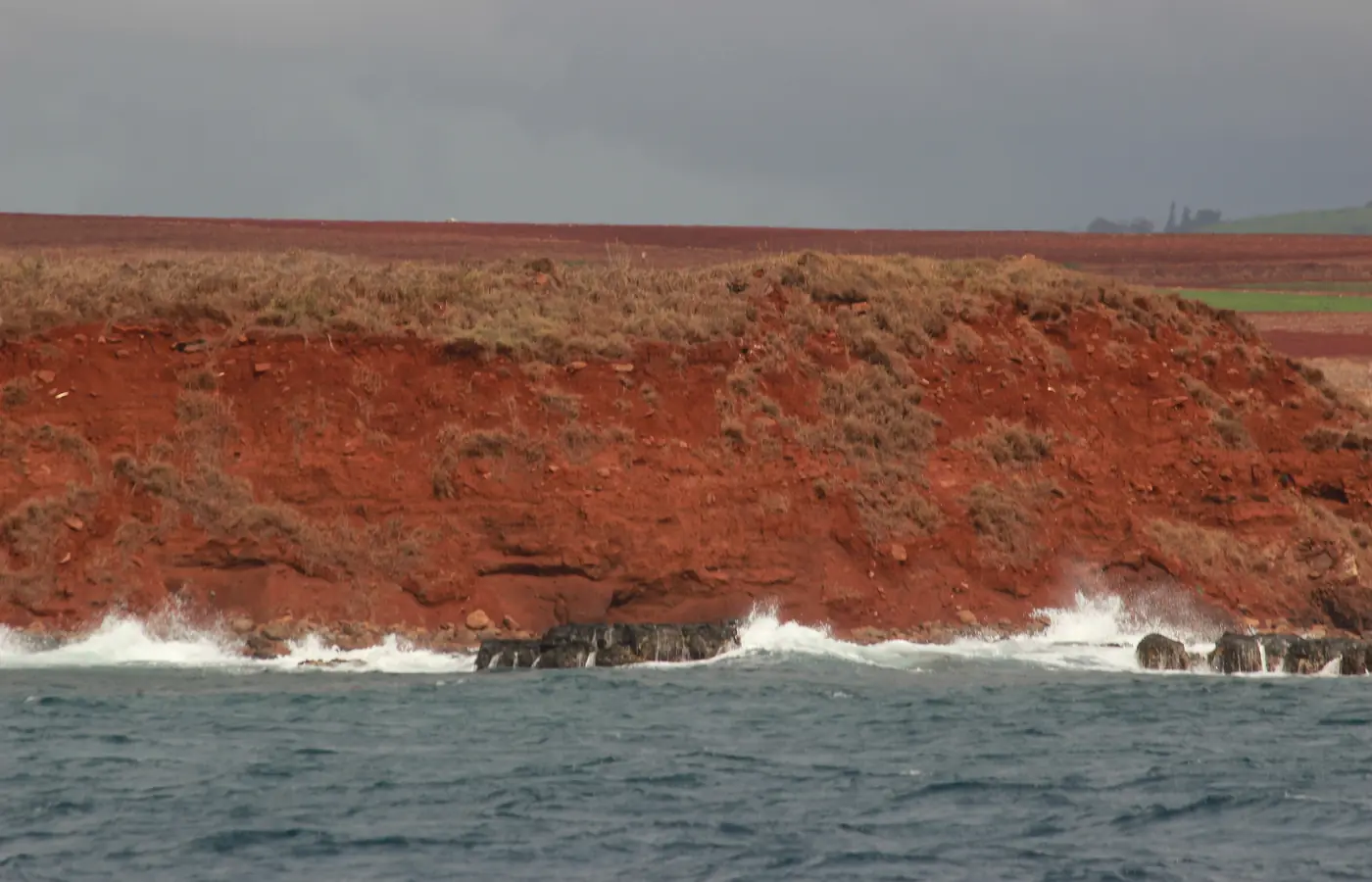
Along the East Side, often called the Coconut Coast, towns like Kapaʻa and Līhuʻe serve as everyday commercial hubs. Kapaʻa has walkable streets lined with local eateries and craft shops, while Līhuʻe houses the county seat, civic institutions, and the historic sugar port at Nāwiliwili. To the west, small towns such as Hanapēpē and Waimea retain a quiet historic atmosphere with heritage buildings and red-dirt landscapes.
Food and drink
Kauaʻi's food reflects the culinary traditions of Native Hawaiians and the plantation workers who arrived from around the Pacific Rim. Traditional dishes include kālua pork slow-roasted in an underground imu, fresh poke prepared with seasoned raw tuna, and poi made from pounded taro root. Food trucks and roadside stands serve plate lunches with two scoops of rice, macaroni salad, and main courses like chicken katsu or beef stew. Tropical fruits such as papayas, mangoes, and lilikoi (passion fruit) are abundant, and shave ice topped with sweetened condensed milk and tropical fruit purees is a favourite refreshing treat. Locally grown coffee and spirits distilled from regional sugarcane also have deep roots on the island.
Music, arts and culture
Hawaiian culture is woven into daily life on Kauaʻi through traditional music, storytelling, and hula. Slack-key guitar, known as kī hōʻalu, and the ukulele provide the soundtrack for casual gatherings and cultural performances. Hanapēpē has earned recognition for its active arts community, hosting regular evening art walks where painters, sculptors, and printmakers open their studio doors. The island's past is preserved at venues like the Kauai Museum in Līhuʻe and the Grove Farm heritage site, which interpret the transitions from Hawaiian rule through the plantation era.
Top things to do
Waimea Canyon State Park and neighbouring Kōkeʻe State Park provide dramatic lookouts over a rugged gorge carved deep into volcanic rock, with hiking trails leading along high ridges and through native cloud forests. On the northwest shore, the Nā Pali Coast offers sheer fluted cliffs that rise straight out of the ocean, seen from hiking paths like the Kalalau Trail or viewed from offshore boat tours.
Water recreation is central to exploring the island. Snorkelling and swimming are popular along south-facing beaches like Poʻipū Beach Park and north-shore spots like Hanalei Bay, depending on seasonal ocean swells. Visitors can also kayak the gentle waters of the Wailua River to visit ancient religious sites (heiau) and view the cascades of Wailua Falls and ʻŌpaekaʻa Falls nearby.
Day trips
Exploring Kauaʻi's outer reaches makes for rewarding day excursions within a day's drive from any base on the island. A trip north leads through the lush Hanalei Valley to the end of the road at Keʻe Beach, the starting point for views of the Nā Pali cliffs and the Limahuli Garden and Preserve. Travelling far west brings visitors past the sleepy plantation architecture of Waimea to the wide, windswept sand dunes of Polihale State Park, where dramatic sea cliffs meet the ocean at the westernmost publicly accessible point on the island.
Before you go
Confirm entry rules and trail or park access with official U.S. and State of Hawaii sources, and read the Government of Canada's United States travel advice before you go. Hours and closures change, we don't list them here.
Other Hawaii starting points on this site include Honolulu, Maui and the Big Island.
Best time to go
Kauai is tropical and is one of the wetter main islands, especially on the north shore in winter. The south and west (Poipu, Waimea) are generally drier. The central Pacific cyclone season is generally June to November.
Getting there from Canada
Flights from Canada typically reach Lihue via Honolulu or a West Coast hub; nonstops are less common than to Honolulu or Maui. The airport is on the east side; resort areas need a drive.
Official travel advice
Read the Government of Canada's United States travel advice before you go. Rules and conditions can change.
Search flights, cars, tours and airport rides under Plan your trip below. Checkout is on the partner's site.