
What Maui is known for
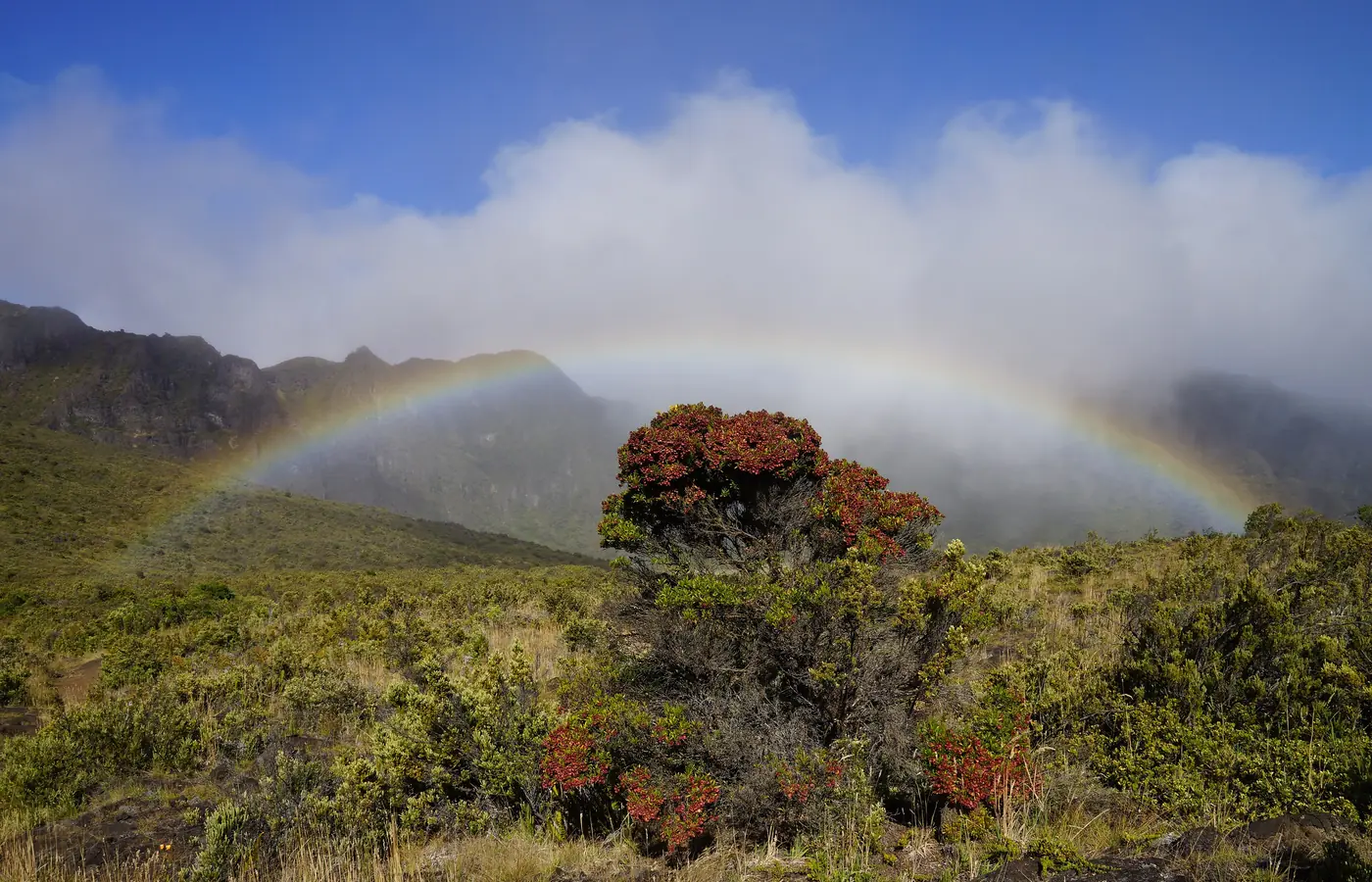
Maui is known as the Valley Isle, defined by the low isthmus that sits between two large volcanic masses. To the east, the massive shield volcano of Haleakalā rises into the clouds, while the West Maui Mountains frame the opposite horizon. Travellers come to see the contrasts across the island, from rainforests and coastal waterfalls to dry sand beaches and alpine volcanic slopes.
The island attracts visitors who want time outdoors alongside a strong sense of Hawaiian heritage. Between calm bays on the leeward coast, world-class windsurfing along the north shore, and scenic drives through rural communities, Maui offers a slower pace of life where natural beauty and local culture take centre stage.
A short history
Polynesian voyagers first settled Maui hundreds of years ago, navigating across open ocean by the stars. They established communities along fertile valleys and sheltered shores, dividing the land into ahupuaʻa, self-sustaining districts extending from the mountains down to the sea. The ruling chiefs of Maui maintained significant political influence across the Hawaiian archipelago for generations.
In the late 18th century, King Kamehameha I conquered the island during his campaign to unite the Hawaiian Islands. Lahaina, on the west coast, served as the royal capital of the Hawaiian Kingdom in the early 19th century. During this period, the port town became an anchorage for Pacific whaling fleets and a centre for American Christian missionaries, who established some of the island's earliest Western-style schools and printing presses.
By the late 19th century, commercial sugarcane and pineapple plantations altered the island's landscape and economy. These agricultural operations brought waves of immigrant workers from China, Japan, the Philippines, Portugal, and Puerto Rico, creating the multicultural society that defines modern Hawaii. As plantation agriculture gradually declined in the late 20th century, conservation efforts and tourism grew to become central to the island's daily life.
Neighbourhoods
Maui's districts each carry their own character, shaped by climate and geography. Central Maui includes Kahului, the island's commercial hub and main arrival port, along with neighbouring Wailuku, a government seat set against the dramatic green cliffs of ʻĪao Valley. Along the leeward south coast, Kīhei and Wailea are known for long stretches of sandy shoreline and warm, sunny weather. Upcountry Maui, located on the gentle western slopes of Haleakalā, includes towns like Makawao and Kula, where cattle ranches, eucalyptus trees, and farm stands offer cooler mountain air.
On the far eastern edge of the island, Hāna remains quiet and remote, surrounded by coastal rainforests and traditional taro patches. Paʻia, situated on the north shore, retains its plantation-era storefronts and serves as a gathering spot for surfers heading out to the breezy breaks of the northern coastline.
Food and drink
Maui's culinary traditions draw from Native Hawaiian staples and the diverse heritage of plantation-era workers. Traditional dishes include poi, made from steamed and pounded taro root, alongside kalua pig cooked in an imu, or underground earth oven. The island is also celebrated for local produce grown in the fertile volcanic soil of Upcountry, including sweet Kula onions, strawberries, and crisp greens. Fresh poke, seasoned with sea salt, limu seaweed, and soy sauce, is widely eaten, while plate lunches featuring rice, macaroni salad, and grilled meats reflect everyday island comfort food.
Music, arts and culture
Hawaiian culture remains deeply woven into life on Maui through language, storytelling, and music. Traditional hula schools, or hālau, preserve oral histories through dance and chant, while modern gatherings celebrate slack-key guitar playing and the bright sounds of the ʻukulele. Upcountry towns like Makawao honour the paniolo, the Hawaiian cowboy traditions that date back to the 1830s. Visual arts thrive in community galleries and cultural centres across the island, where local woodworkers, quilters, and feather artists share their craft.
Top things to do
A visit to Haleakalā National Park takes travellers from sea level up through subalpine shrublands to the volcano's high-altitude summit, where walking trails cross vast cinder plains. On the coastal side of the park in the Kīpahulu District, the Pīpīwai Trail leads hikers through a towering bamboo forest toward the cascading Waimoku Falls.
Near Wailuku, ʻĪao Valley State Monument offers quiet paved walks beneath the sheer, emerald-coloured ʻĪao Needle, a site of deep historical significance in Hawaiian history. Coastal visitors often explore the calm, clear waters around Makena Beach State Park or venture along the famous road to Hāna, a coastal route known for its numerous stone bridges, roadside waterfalls, and panoramic ocean lookouts.
Day trips
Travellers can plan day trips across the channel to the neighbouring island of Lānaʻi, reached by passenger ferry from Maui's west coast, offering quiet red-dirt landscapes and uncrowded beaches. Within a day's drive, the remote and rugged north-west coast along the Kahekili Highway winds past isolated fishing villages and dramatic sea cliffs. Heading up the mountain to the high-elevation pastures of Ulupalakua allows visitors to enjoy wide views across the central valley and out to the offshore islands of Molokini and Kahoʻolawe.
Before you go
Confirm entry rules and national-park or trail access with official U.S. and State of Hawaii sources, and read the Government of Canada's United States travel advice before you go. Hours and road or park closures change, we don't list them here.
Other Hawaii starting points on this site include Honolulu, Kauai and the Big Island.
Best time to go
The climate is tropical, with a generally drier leeward (south and west) side and a wetter windward side. Summer is often drier in the main resort areas; winter can bring more rain and larger surf on north-facing shores. The central Pacific cyclone season is generally June to November.
Getting there from Canada
Flights from Canada often arrive at Kahului, sometimes via Honolulu or a West Coast hub, with some seasonal nonstops. Getting to Lahaina, Kaanapali, Wailea or Hana is then a drive; check official road and Lahaina recovery notices.
Official travel advice
Read the Government of Canada's United States travel advice before you go. Rules and conditions can change.
Search flights, cars, tours and airport rides under Plan your trip below. Checkout is on the partner's site.