
What Kelowna is known for
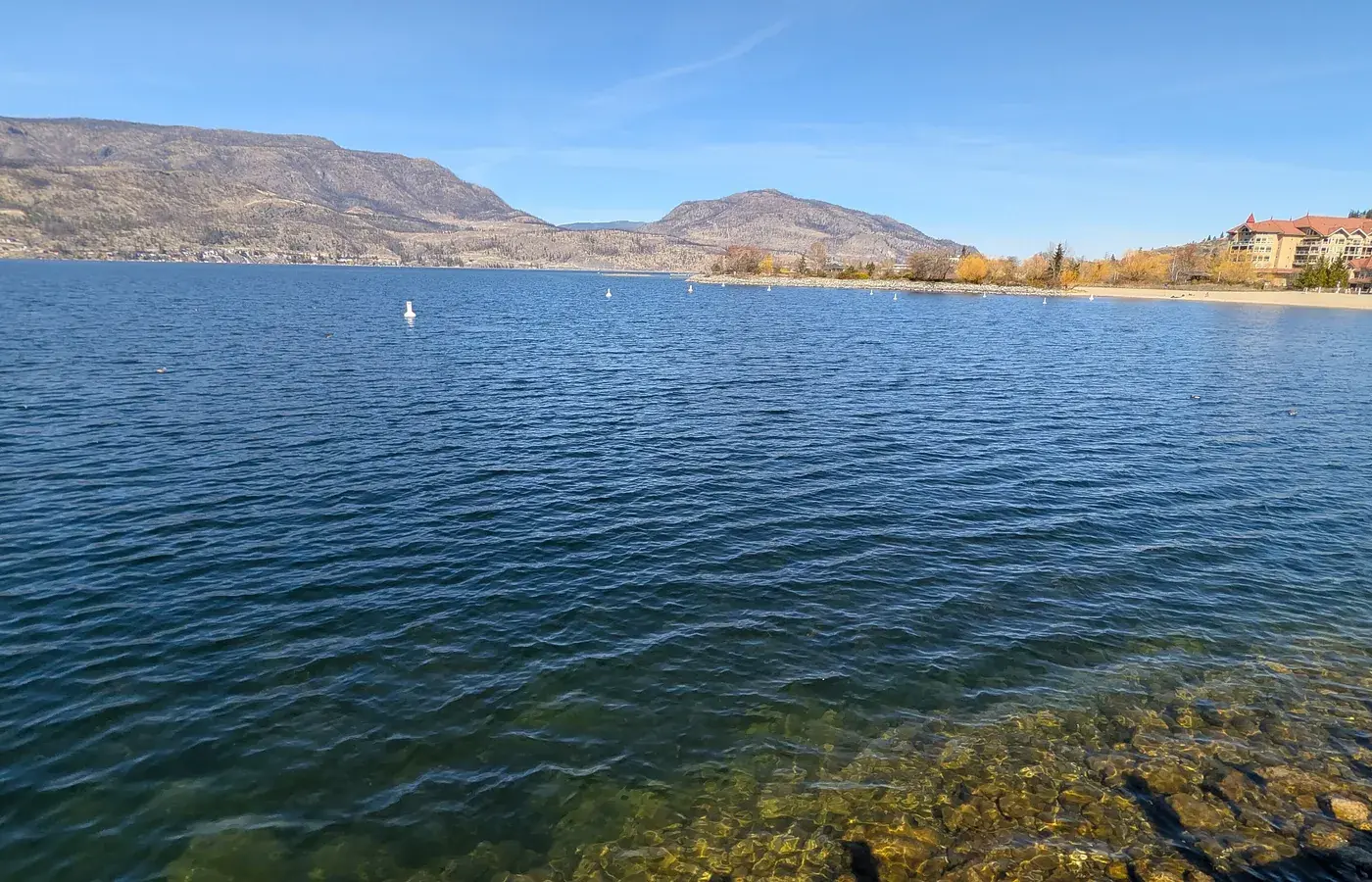
Kelowna sits along the eastern shore of Okanagan Lake, serving as the commercial and cultural centre of British Columbia's Okanagan Valley. Travellers are drawn by its expansive waterfront, where wide public beaches, lakeside promenades, and boating access define the summer rhythm of the city.
The surrounding landscape is celebrated for its deep agricultural roots. Terraced hillsides, fruit orchards, and hillside vineyards roll down toward the water, creating a setting where sunny days, outdoor recreation, and farm-fresh produce shape everyday life.
A short history
The Okanagan people of the Syilx Nation have lived along Okanagan Lake and throughout the valley since time immemorial, fishing, hunting, and harvesting seasonal plants across their ancestral territory. The name Kelowna derives from the Okanagan language term for female grizzly bear.
European presence expanded in 1859 when Oblate missionary Father Charles Pandosy founded an agricultural mission along Mission Creek. Soon after, settlers established cattle ranches and planted the valley's first fruit trees and grapevines.
By the late 19th and early 20th centuries, commercial orchards had become the primary industry, earning the region a reputation for apples, peaches, and cherries. Kelowna officially incorporated as a city in 1905, and lake steamers and new rail lines soon carried Okanagan fruit across Canada.
The mid-20th century brought rapid development, particularly following the opening of the Okanagan Lake floating bridge in 1958. In the decades that followed, tree-fruit farming increasingly shared the hillsides with grape growing, laying the groundwork for the modern wine and tourism industries that define the city today.
Neighbourhoods
Downtown Kelowna lies right on the lake, acting as the urban and civic core. The area connects leafy lakeside parks, broad sidewalks, and civic facilities with the Downtown Cultural District, while the nearby North End features converted industrial warehouses that now house small craft breweries and casual gathering spaces.
South of downtown, the Mission neighbourhood stretches along the lakeshore, offering a quiet, residential atmosphere with shaded parks, public beaches, and heritage homes. Further up on the eastern hills, communities like Rutland and the valley benchlands provide direct access to hiking paths and sweeping views over the lake and orchards.
Food and drink
Cooking in Kelowna relies heavily on the seasonal bounty of the Okanagan Valley. Summer brings tree-ripened cherries, apricots, and peaches, followed in autumn by crisp apples, pears, and squash. Regional menus frequently pair these local ingredients with wines made from valley-grown grapes, such as Pinot Gris, Chardonnay, and Pinot Noir. Dry ciders pressed from local orchard apples and craft beers brewed with regional grain are also valley staples.
Music, arts and culture
The city's creative life concentrates in the Downtown Cultural District, a walkable area that includes the Kelowna Art Gallery and the Rotary Centre for the Arts. Live theatre, dance performances, and art exhibitions take place year-round, alongside regular performances by the Okanagan Symphony Orchestra. During the summer, open-air concerts draw listeners to the Island Stage in Waterfront Park, while outdoor sculptures and historical markers line the lakefront walkway.
Top things to do
Waterfront Park and City Park form the heart of outdoor leisure in town, featuring sandy public beaches, swimming areas, and a paved lakeshore path. Rising just north of downtown, Knox Mountain Park offers hiking trails that climb past ponderosa pines to viewpoints overlooking Okanagan Lake and the city skyline.
A short journey into the hills above the city brings visitors to Myra Canyon, a dramatic section of the historic Kettle Valley Railway route where walkers and cyclists cross high wooden trestles above deep ravines. Visitors interested in regional history can also tour the preserved pioneer buildings at the Father Pandosy Mission provincial heritage site or ride the Okanagan Rail Trail.
Day trips
Travelling south through the Okanagan Valley makes an easy day trip to communities such as Summerland, Penticton, and Oliver, where roadside fruit stands and desert landscapes border the water. Crossing the bridge to the western shore leads into West Kelowna and Peachland, offering tranquil waterfront trails and forested regional parks. For mountain air, nearby alpine centres such as Big White and Silver Star provide hiking and mountain biking in the summer and downhill skiing through the winter.
Before you go
Road conditions and seasonal closures in the Interior can change, check official provincial sources before you drive.
Western Canada trips often also include Vancouver, Victoria or Calgary.
Best time to go
Late spring through early fall is the usual lake and vineyard season. Summers can be hot and smoky if regional wildfires are active (check official air-quality and fire notices). Winters are colder, with some snow, and nearby ski hills operate on their own calendars.
Getting there from Canada
Flights from other Canadian cities arrive at Kelowna International, north of town. The drive from Vancouver is long and uses mountain highways; check DriveBC. A car is the normal way to see the lake and the valley.
Official travel advice
Travelling inside Canada does not use a country travel-advice page. Use official park, ferry and highway notices where they are mentioned above.
Search flights, cars, tours and airport rides under Plan your trip below. Checkout is on the partner's site.