
What Playa del Carmen is known for
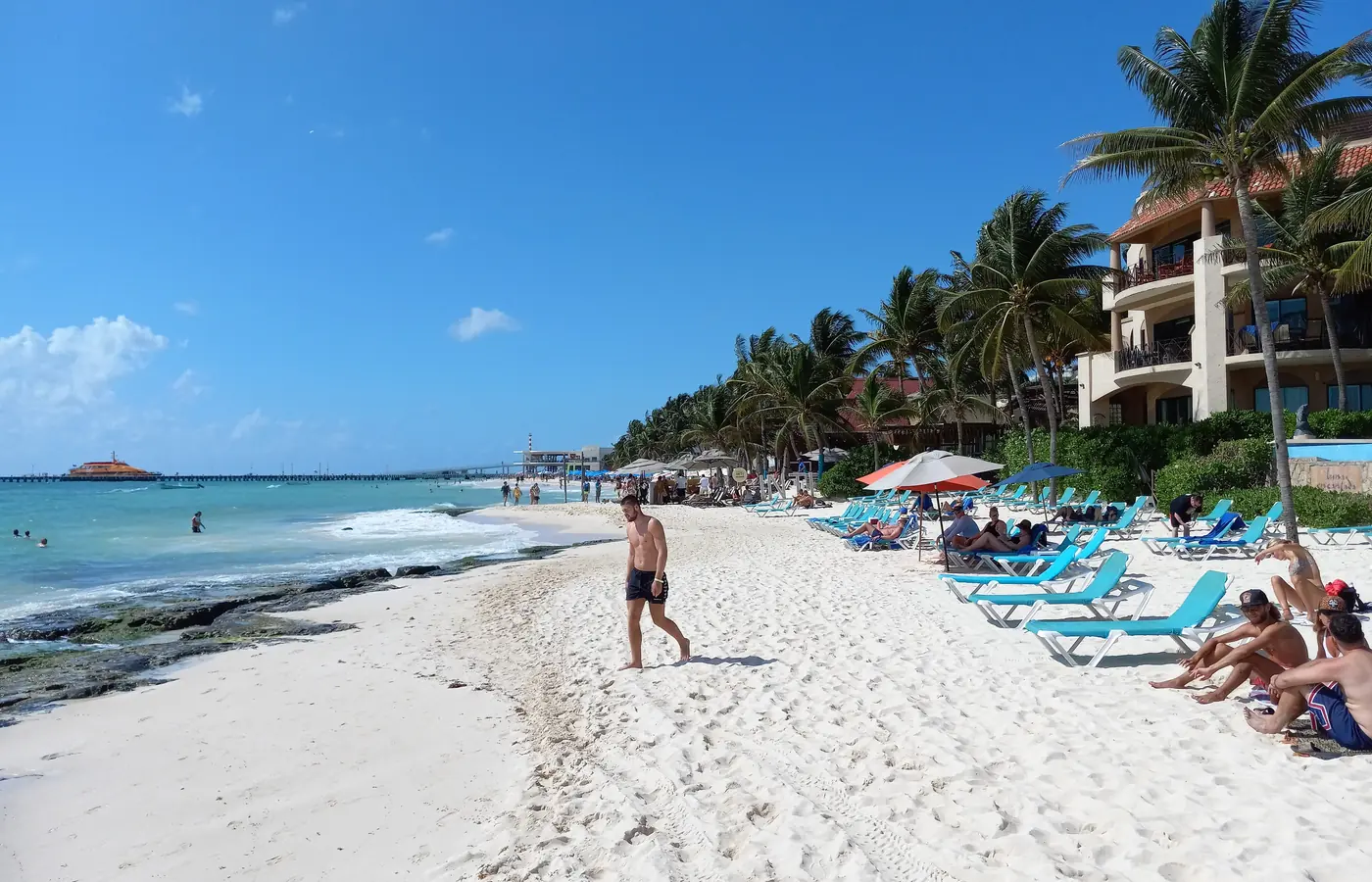
Playa del Carmen is celebrated for its white-sand Caribbean coastline, warm turquoise waters, and a walkable pedestrian core centred on Quinta Avenida. The city strikes a comfortable balance between a relaxed beach retreat and an active coastal centre, drawing visitors who appreciate being able to step directly from bustling avenues onto wide shores.
It also serves as a primary geographic anchor for exploring the wider Riviera Maya and the Yucatán Peninsula. With direct ferry links across the channel to the island of Cozumel, as well as easy land routes to coral reefs, freshwater cenotes, and historic ruins, the town appeals to travellers seeking both convenience and variety.
A short history
Before the arrival of Europeans, the coastal site was known as Xaman-Ha, which translates roughly to "waters of the north" in the Yucatec Maya language. The settlement functioned as a departure port for Maya pilgrims navigating the strait to Cozumel, where they honoured Ixchel, the goddess of fertility and medicine.
Throughout the Spanish colonial era and into the early twentieth century, the region remained lightly settled. Thick coastal jungle and mangrove swamps surrounded the shore, and the small population consisted mainly of fishermen and seasonal workers harvesting chicle resin from native sapodilla trees.
The modern shift began in the latter half of the twentieth century, driven by the rapid rise of Cancún to the north. As that master-planned resort centre expanded, Playa del Carmen grew alongside it, initially gaining favour as a peaceful ferry dock for Cozumel before evolving into a popular destination in its own right.
By the late 1990s and early 2000s, commercial investment and an influx of new residents transformed the former fishing hamlet into one of the fastest-growing municipalities in Mexico. Today, the city reflects this recent evolution, pairing ancient Maya heritage with a thoroughly international community.
Neighbourhoods
El Centro forms the heart of the city, laid out along an accessible grid where Quinta Avenida runs parallel to the water. This lively pedestrian street is lined with open-air cafes, craft stalls, and small squares, all within an easy walk of the public beaches. Just north of central Playa, neighbourhoods like Gonzalo Guerrero and Zazil-Ha provide a calmer residential feel, with shaded streets, apartment buildings, and quiet neighbourhood markets.
To the south, Playacar is a planned development known for its golf course, residential properties, and paved walking paths that wind past preserved pocket ruins. Farther inland, districts like Colosio show the steady rhythm of local residential life, filled with traditional bakeries, family-run fruit stands, and public sports parks.
Food and drink
Dining in the city reflects the distinct traditions of the Yucatán Peninsula alongside broader Mexican coastal cooking. Regional staples include cochinita pibil, slow-roasted pork seasoned with bitter orange and annatto seed, as well as panuchos and salbutes, which are fried corn tortillas topped with black beans, shredded turkey, and pickled red onions. Fresh seafood is prominent along the shore, featuring lime-marinated ceviche, grilled fish tacos, and tikin xic, a whole fish seasoned with regional spices and baked in banana leaves. To drink, visitors often choose fresh fruit aguas frescas, cold Mexican beers, or xtabentún, an aromatic anise and honey liqueur produced in the peninsula.
Music, arts and culture
Playa del Carmen maintains an active cultural scene that draws on both indigenous roots and global influences. Public gathering places like Parque Fundadores regularly host traditional performances, including the Danza de los Voladores, where dancers descend by ropes from a tall central pole. Murals and street art brighten downtown walls and public alleys, showcasing maritime themes and Maya folklore. In addition, local cultural centres and municipal stages present seasonal concerts, open-air film screenings, and regional craft fairs featuring handwoven textiles, pottery, and silver jewellery.
Top things to do
Strolling the municipal waterfront is a standard part of any visit. Travellers can view the Portal Maya sculpture, an impressive bronze gateway in Parque Fundadores that frames the Caribbean horizon, or wander up the coast toward Punta Esmeralda, where a natural freshwater cenote flows into the sea. The pedestrian corridor of Quinta Avenida provides several stretches of vehicle-free walking, making it a popular spot for evening strolls and people-watching.
The clear coastal waters invite swimming, paddleboarding, and offshore snorkelling near the shallow reef systems. Away from the open sea, many visitors spend time exploring the region's cenotes, the natural freshwater-filled limestone sinkholes that dot the surrounding jungle and offer calm, shaded swimming conditions.
Day trips
The city's central position makes it a practical base for exploring the surrounding peninsula. A regular passenger ferry connects the downtown dock directly to San Miguel de Cozumel, offering an easy day trip to explore marine parks and quieter island beaches. On the mainland, the cliff-top Maya ruins of Tulum and the forested archaeological site of Cobá are both an easy drive away, while the historic colonial city of Valladolid and several large nature reserves can be visited within a day's journey.
Before you go
Confirm entry rules and beach or marine-park notices with official sources before you go, starting with the Government of Canada's Mexico travel advice. Conditions change, we don't list them here.
Other starting points on this coast include Cancun and Tulum.
Best time to go
Like the rest of the Riviera Maya, the drier winter is the usual season from Canada. The official Atlantic hurricane season is 1 June to 30 November.
Getting there from Canada
Most visitors fly into Cancun International and continue south by road transfer or bus (about an hour, depending on traffic and your stop). There is no large commercial airport in Playa itself.
Official travel advice
Read the Government of Canada's Mexico travel advice before you go. Rules and conditions can change.
Search flights, cars, tours and airport rides under Plan your trip below. Checkout is on the partner's site.