
What Cabo San Lucas is known for
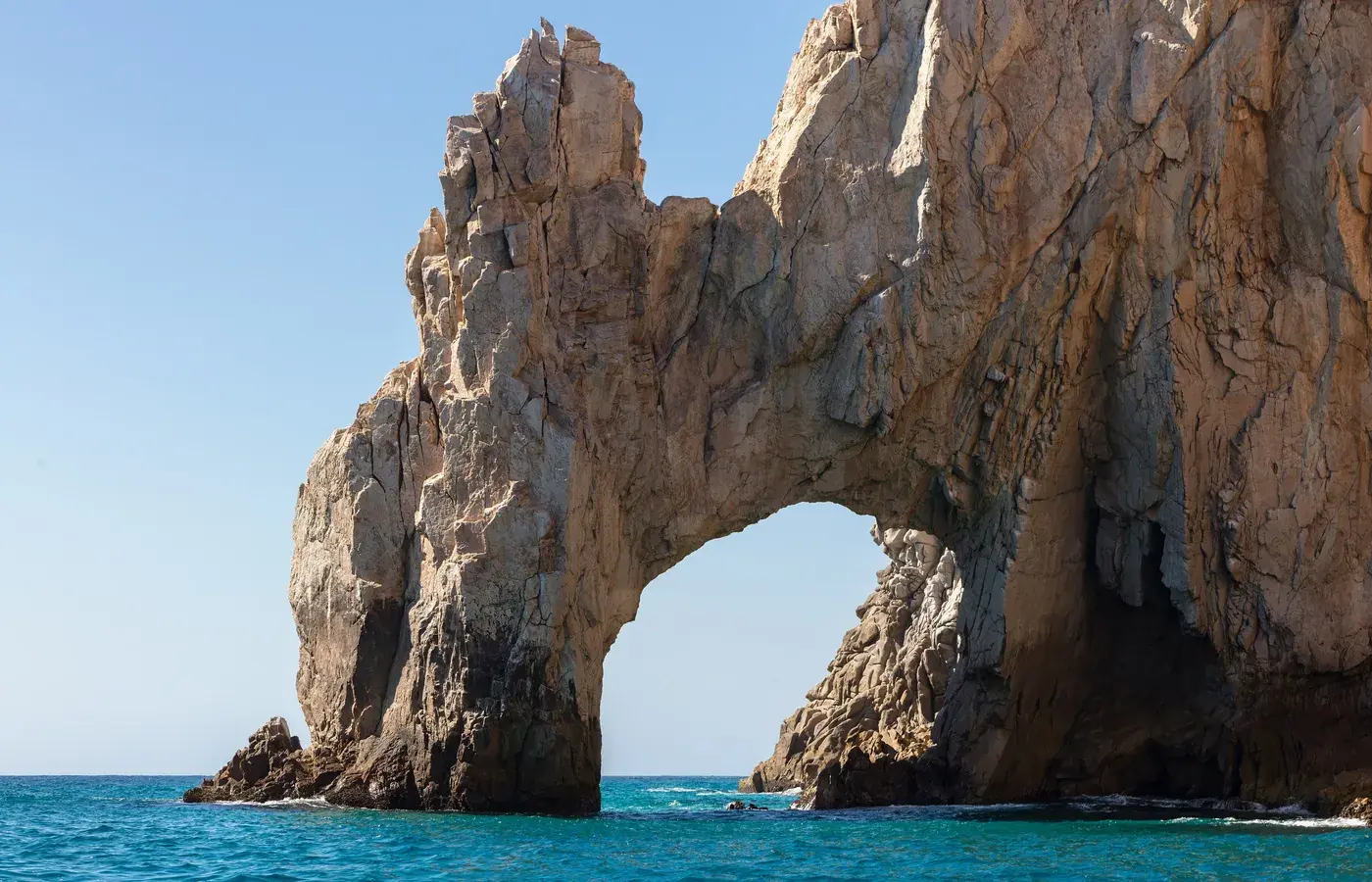
Cabo San Lucas sits at the southern tip of the Baja California peninsula, where the arid desert landscape drops directly into the sea. It is famous for Land's End, the dramatic granite promontory where the Pacific Ocean meets the Sea of Cortez. Travellers know it best for deep-sea sport fishing, winter whale watching, and the sea arch known as El Arco, which frames the mouth of the bay.
The town offers an energetic coastal setting centred on a busy marina and sheltered swimming beaches. While it shares the cape with quieter San José del Cabo, Cabo San Lucas is the lively hub of the region, drawing visitors looking for water sports, coastal boat rides, and sunny days on the sand.
A short history
Long before European ships arrived, the southern cape was home to the Pericú people. They were nomadic hunter-gatherers and skilled navigators of the coastal waters, living off fish, shellfish, and desert plants in a demanding, arid environment.
Spanish explorers reached the area in the 1530s. Cabo San Lucas soon became a strategic landmark along the Manila galleon route, providing ships returning from the Philippines with freshwater before the final voyage to Acapulco. Because these treasure-laden ships stopped here, English and Dutch privateers frequently used the bay to stage ambushes during the late 16th and early 17th centuries.
For centuries, the settlement remained a remote fishing outpost with few residents. In the early 20th century, a tuna cannery opened by the bay, giving the village its first steady industrial base and anchoring the local economy for several decades.
The shift to international tourism began in the mid-20th century, when private aviators and sport fishers arrived to pursue marlin. The opening of the Transpeninsular Highway in 1973 and planned government investment in tourism infrastructure transformed the former cannery village into the modern resort destination seen today.
Neighbourhoods
The Marina and Downtown (El Centro) form the core of daily activity. The marina is lined with pedestrian walkways where charter boats and catamarans dock, while the surrounding blocks of El Centro offer a traditional Mexican street layout with small shops, town squares, and markets selling regional crafts.
Playa El Médano is the town's main beachfront district, curving along the protected bay with swimmable waters and active recreation. In contrast, the hills of Pedregal rise steeply behind downtown, featuring residential hillside streets and rocky cliffs facing the open Pacific, where heavy surf crashes against the coastline.
Food and drink
Seafood defines the regional cuisine of Baja California Sur. Local menus centre on fresh fish tacos served in warm corn tortillas with shredded cabbage, fresh lime, and salsa, as well as ceviche made from the catch of the day. Smoked marlin is another traditional specialty, often prepared shredded and served in empanadas or tacos. In the morning, you can find machaca, a traditional dried beef dish scrambled with eggs and vegetables. Regional drinks include cold Mexican lagers, tequila, mezcal, and damiana, a sweet herbal liqueur made from a native wild shrub historically used by the indigenous people of the peninsula.
Music, arts and culture
Cabo's culture brings together Mexican maritime traditions, desert heritage, and influences from across the mainland. Open-air plazas often host street performers, mariachi musicians, and regional norteño bands playing accordion-led folk tunes. Handcrafted items from around Mexico are widely available, including colourful Talavera ceramics, woven textiles, and silver jewellery. The city maintains its strong ties to the sea through annual fishing tournaments and maritime festivals, while also celebrating traditional Mexican holidays such as Independence Day and Día de los Muertos with music and civic gatherings.
Top things to do
A boat trip to Land's End is the primary activity for most visitors. Water taxis and skiffs take passengers out past Pelican Rock and the sea lion colony to view El Arco from the water. Depending on tides and currents, visitors can step ashore at Playa del Amor (Lover's Beach) on the sheltered bay side, which sits back-to-back with the rougher, non-swimmable Playa del Divorcio on the Pacific side.
From December through April, whale watching excursions enter the surrounding waters to spot migrating humpback and gray whales. On land, visitors can spend a sunny day swimming and paddleboarding at Médano Beach, take a relaxed stroll along the wide marina boardwalk, or visit the Museo de Historia Natural in downtown Cabo San Lucas to learn about the region's marine fossils and Pericú heritage.
Day trips
Several distinct destinations are accessible on an easy day trip. San José del Cabo, located just across the coastal corridor, offers a quieter atmosphere with the site of an 18th-century mission, with its present-day church facing the main plaza, a historic town hall, and an art district filled with galleries. Further north on the Pacific coast, the small town of Todos Santos draws visitors with its colonial brick architecture, historic sugar mills, and artistic community. For marine enthusiasts, Cabo Pulmo National Marine Park on the East Cape protects one of the oldest hard coral reefs in North America, offering exceptional snorkelling and scuba diving away from the resort crowds.
Before you go
Confirm entry, health and document rules with official sources before you go, starting with the Government of Canada's Mexico travel advice. We don't list visa rules or fees here.
Other Mexico starting points on this site include Cancun, Puerto Vallarta and Mexico City.
Best time to go
Los Cabos, at the tip of the Baja California Peninsula, is generally dry, with a hotter summer. The official eastern Pacific hurricane season is May 15 to November 30; storms can affect the cape. Winter is the usual season from Canada.
Getting there from Canada
Flights from Canada arrive at Los Cabos International (San Jose del Cabo), including seasonal nonstops. Cabo San Lucas is a drive southwest of the airport; San Jose del Cabo is closer to the terminal. The Tourist Corridor links the two towns.
Official travel advice
Read the Government of Canada's Mexico travel advice before you go. Rules and conditions can change.
Search flights, cars, tours and airport rides under Plan your trip below. Checkout is on the partner's site.