What Atlantic Canada is known for
Atlantic Canada usually means New Brunswick, Nova Scotia, Prince Edward Island and Newfoundland and Labrador, four provinces shaped by the Atlantic Ocean and the Gulf of St. Lawrence. Travellers come for working fishing harbours, lighthouses, long sandy and rocky shorelines, and small towns where the sea is still part of daily life.
The region is also known for tides, whales and seabirds, coastal hiking, and a strong tradition of music and storytelling. Weather is part of the experience here: fog, wind and bright clear days can all show up in the same week, so flexible plans serve you well.
A short history
Indigenous peoples have lived along these coasts for thousands of years. The Mi'kmaq are the original people of much of Nova Scotia, New Brunswick and Prince Edward Island, while the Beothuk once lived in Newfoundland, and the Innu and Inuit have deep roots in Labrador. At L'Anse aux Meadows, on Newfoundland's Northern Peninsula, Norse explorers built a settlement around the year 1000, the earliest known European presence in North America.
From the 1600s onward, French and British colonists competed for the region, and the Acadian deportation of the 1750s scattered French-speaking families, many of whom later returned. Fishing, shipbuilding and trade drove growth for centuries, and Halifax, founded in 1749, became a major port and naval centre. In 1949, Newfoundland and Labrador joined Confederation as Canada's newest province.
Places to start
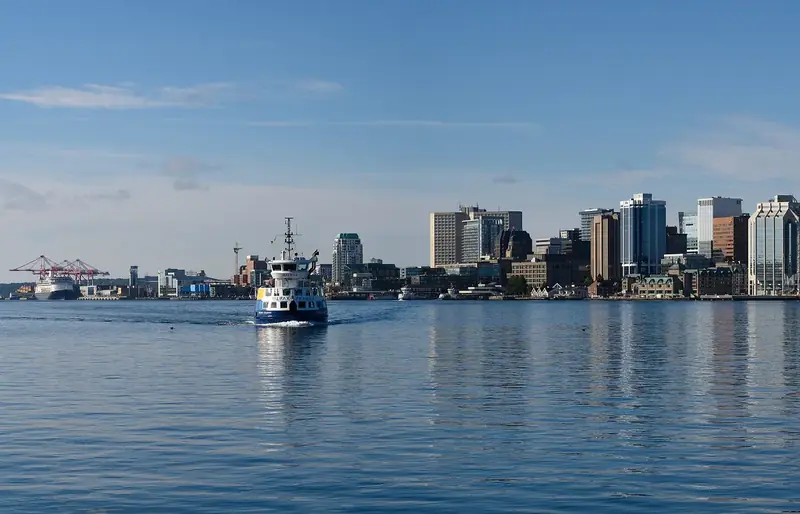
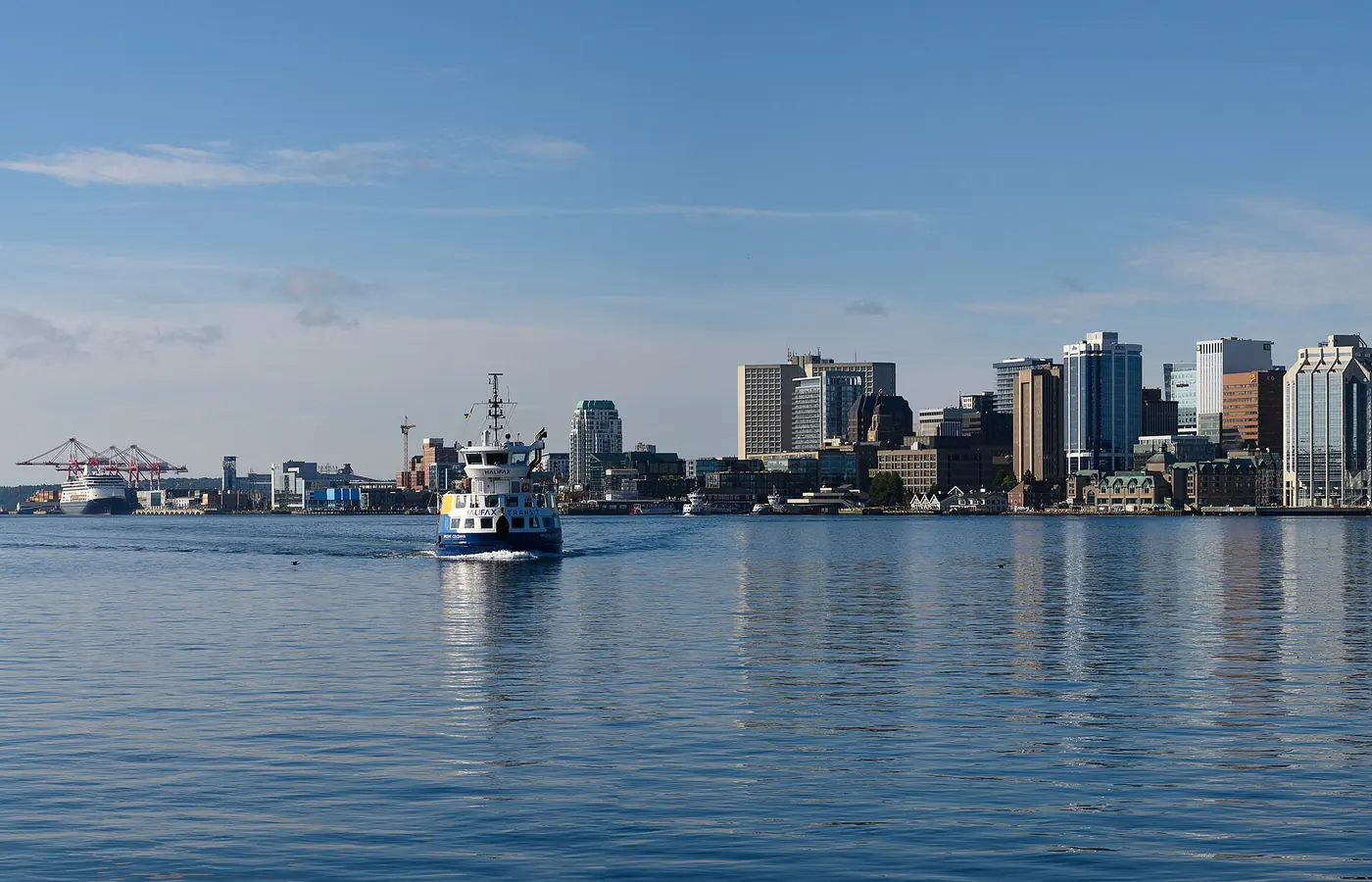
This hub is a starting point, not a complete list, and it currently gathers guides for Halifax, St. John's and Prince Edward Island, with New Brunswick still to come. From Halifax, many travellers pair the waterfront with day trips to Peggy's Cove, Lunenburg or the Annapolis Valley, where the Bay of Fundy's enormous tides are a short drive away.
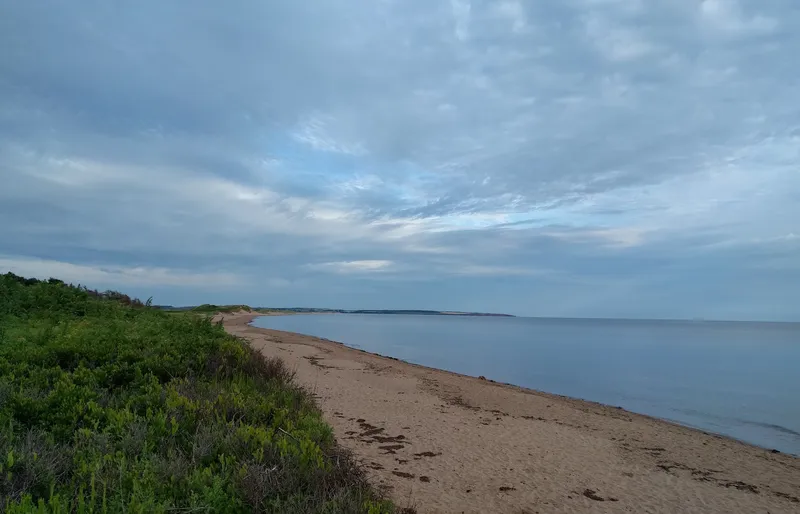
In St. John's, Signal Hill, Cape Spear and the colourful row houses of the old city anchor a coast-and-history day, with whale and seabird boat trips in season. Prince Edward Island suits a slower loop: red-sand beaches, Green Gables at Prince Edward Island National Park, and gentle farm country. Check Parks Canada and official ferry notices for current hours and seasonal access before you go.
Food and culture
The table here leans on the sea: lobster and scallops in Nova Scotia, mussels and oysters on Prince Edward Island, and cod and toutons in Newfoundland and Labrador. Kitchen parties, fiddle and Celtic music, and Acadian and Irish traditions run through community life, and summer festivals celebrate everything from Highland games to folk song.
When to go
Summer and early fall are the usual coastal season, with the best odds for whale watching, open lighthouses and warm beach days, plus brilliant autumn colour inland. Icebergs sometimes drift past Newfoundland earlier in the season, though sightings are never guaranteed. Winters are stormy and cold, fog and wind are possible at any time of year, and some ferries and visitor services run reduced schedules outside peak months, so check official sources before you go.
Before you go
These pages are starting points already on this site, not a complete list of the region, and not a ranking. There is not yet a New Brunswick guide. Hours and ferry or seasonal access change; check official sources before you go.
Related region guides: Canada · Quebec · Ontario.
Related tips: Fall colours road trips.
Best time to go
Summer and early fall are the usual coastal season (whales, lighthouses, and, in some years, icebergs earlier in the season in Newfoundland, which are never guaranteed). Winters are stormy and cold; some visitor services and ferries run reduced schedules. Fog and wind are part of the year.
Getting there from Canada
Halifax Stanfield, St. John's and Charlottetown are the main airports already tied to guides on this site, with flights from other Canadian hubs. Confederation Bridge (and, in season, the official ferry) links Prince Edward Island to the mainland. Marine Atlantic and other official ferries are their own bookings, with weather cancellations possible.
Official travel advice
Travelling inside Canada does not use a country travel-advice page. Use official park, ferry and highway notices where they are mentioned above.
Search flights, cars, tours and airport rides under Plan your trip below. Checkout is on the partner's site.