What Quebec is known for
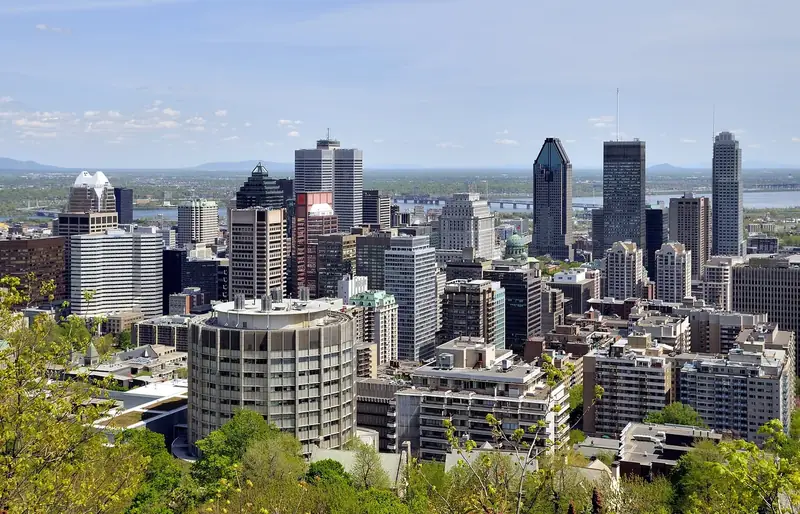
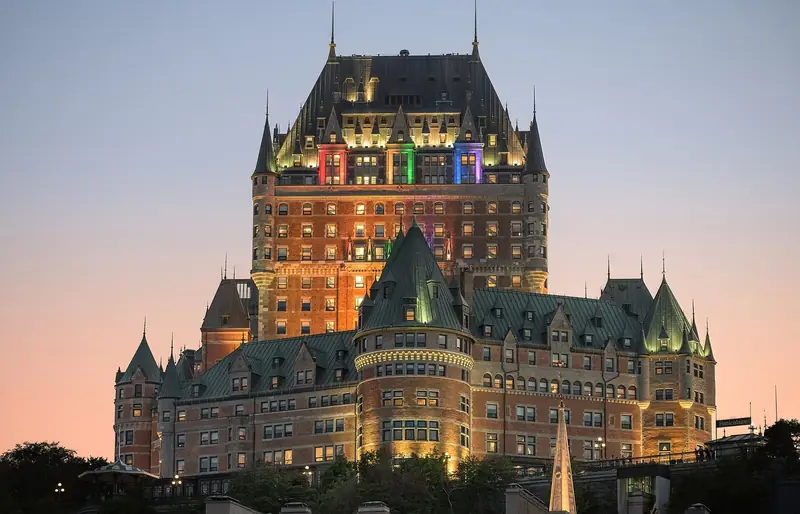
Quebec is Canada's largest province by area, and the only one with French as its sole official language. For many Canadian travellers, the first images are Montreal's neighbourhoods, Quebec City's old stone streets, the wide St. Lawrence River and the Laurentian Mountains north of Montreal.
This hub is a starting point rather than a complete list of the province, and it is not a ranking. It focuses on Montreal, Quebec City and Mont-Tremblant, while regions such as Charlevoix and the Gaspé are not all covered here yet. Hours and seasonal access can change, so check official sources before you go.
A short history
Long before European settlement, Indigenous peoples lived across these lands and waterways, including Algonquin, Innu and St. Lawrence Iroquoian communities along and near the river, Cree nations farther north and Inuit in Nunavik. Their histories, languages and present-day communities are part of understanding Quebec beyond its two famous cities.
French explorer Jacques Cartier reached the St. Lawrence in 1534, and Samuel de Champlain founded a permanent settlement at Quebec City in 1608. New France grew along the river until British forces took Quebec City in 1759 and France ceded Canada in 1763; Quebec later became part of Canadian Confederation in 1867. In the twentieth century, the Quiet Revolution reshaped public institutions, and language policy helped make French the centre of daily public life.
Places to start
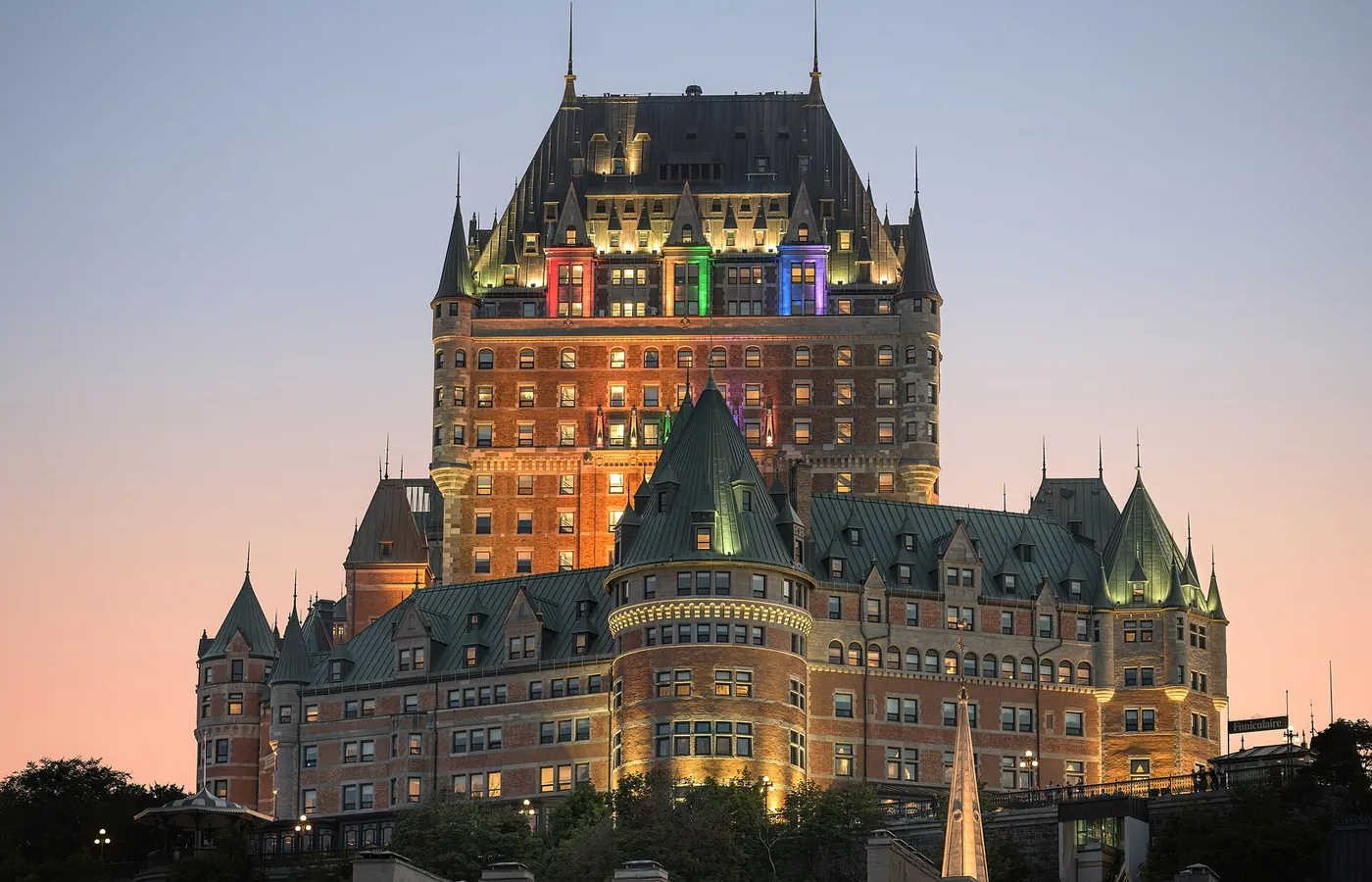
A gentle first trip often pairs Montreal with Quebec City, linked by road, rail and air, with about three hours by VIA Rail between the two cities. In Montreal, start with a neighbourhood walk and the old streets near the port; in Quebec City, the historic core of Old Quebec is a UNESCO World Heritage site and suits an unhurried day on foot.
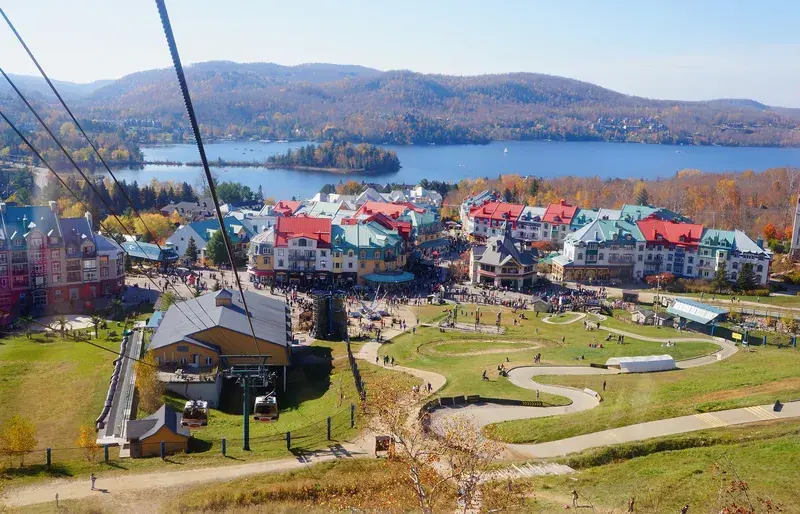
North of Montreal, the Laurentians lead to Mont-Tremblant and Parc national du Mont-Tremblant for hiking, lakes, winter snow and resort or park activities that depend on official status and seasonal conditions. A car helps outside the two historic cores, and fall drives are a favourite way to see colour around the Laurentians, Charlevoix and the Quebec City area. For parks, ferries, highways and seasonal closures, use the official notices mentioned with each trip rather than relying on memory.
Food and culture
Food in Quebec reflects French heritage, local farms, public markets and a strong maple season in spring, when sugar shacks and rural roads come back to life. Keep the planning general: markets and neighbourhood bakeries change, festivals shift dates, and language is part of the experience, with French heard first in many places and English widely used in visitor areas.
When to go
Late spring through early fall is the usual season for walking, patios and festivals in Montreal and Quebec City. Fall colour in the Laurentians, Charlevoix and around Quebec City is a regional draw, but timing changes every year, so check current reports before setting a date. Winters are cold and snowy, and Mont-Tremblant's ski season depends on snow and official hill notices rather than fixed promises.
Before you go
These pages are starting points already on this site, not a complete list of the province, and not a ranking. Hours and seasonal access change; check official sources before you go.
Related region guides: Canada · Ontario · Atlantic Canada.
Related tips: Fall colours road trips · March break trip ideas.
Best time to go
Late spring through early fall is the usual walking and festival season in Montreal and Quebec City. Fall colour in the Laurentians, Charlevoix and around Quebec City is a regional draw, with dates that change each year. Winters are cold and snowy, and Mont-Tremblant has an official ski season that depends on snow and hill notices.
Getting there from Canada
Montreal-Trudeau and Quebec City's Jean Lesage airport, plus VIA Rail between the two cities (about three hours), are the usual links. Mont-Tremblant is a road trip from Montreal or Ottawa. A car helps outside the two historic cores.
Official travel advice
Travelling inside Canada does not use a country travel-advice page. Use official park, ferry and highway notices where they are mentioned above.
Search flights, cars, tours and airport rides under Plan your trip below. Checkout is on the partner's site.