What Canada is known for
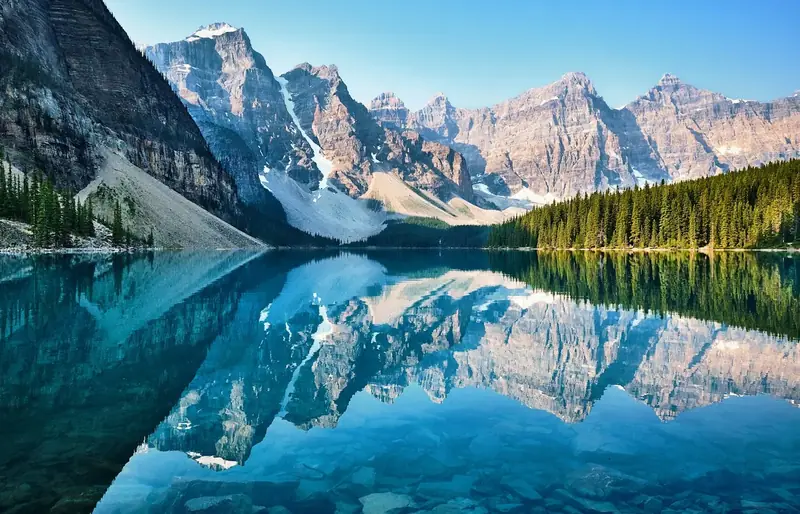
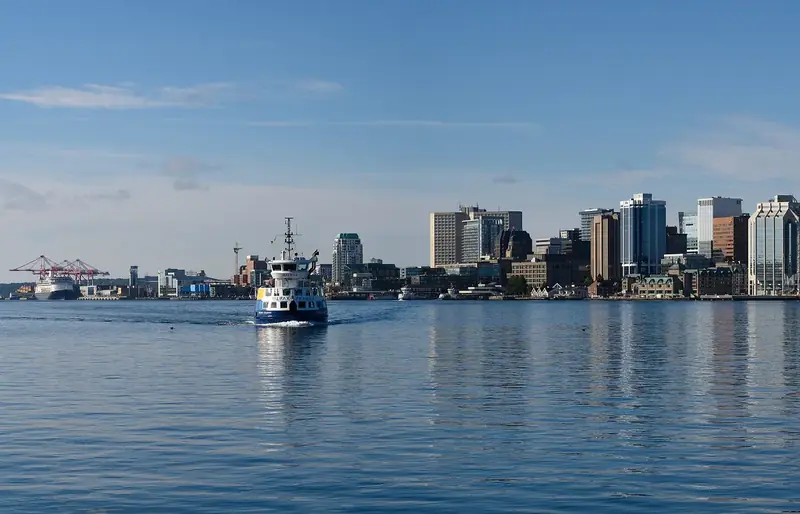
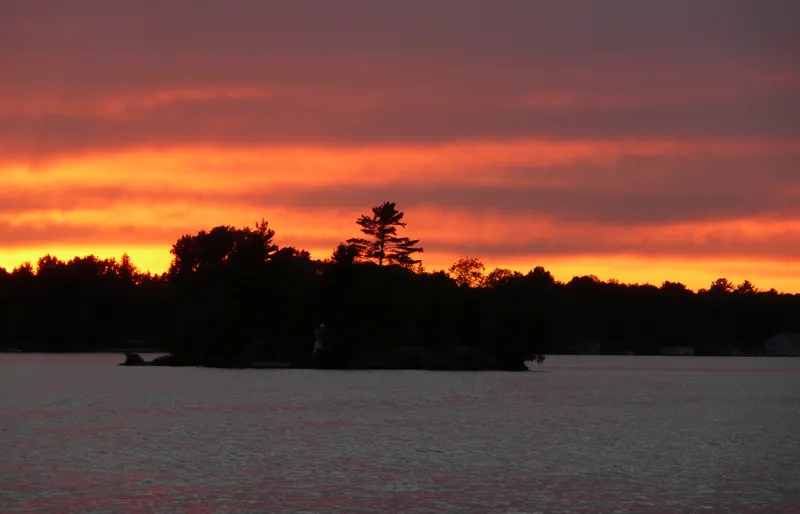
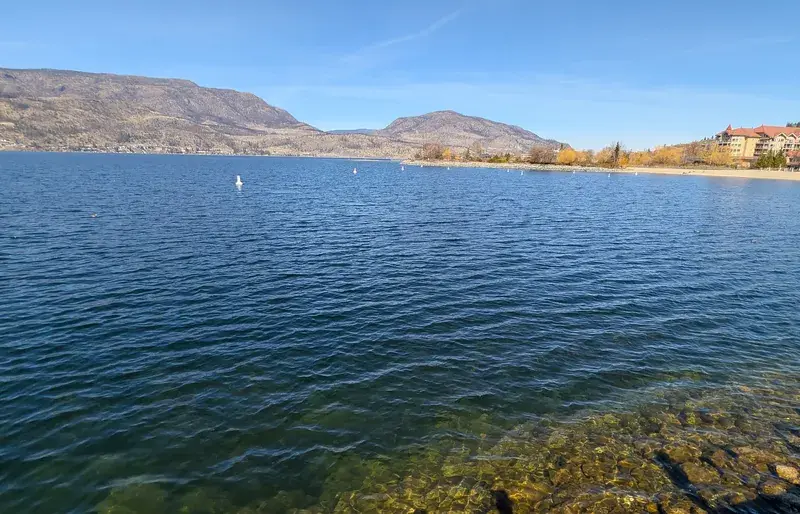
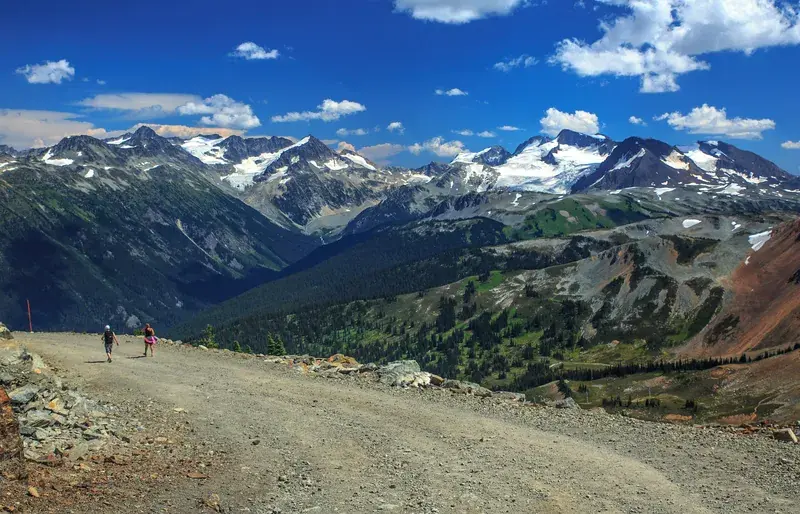
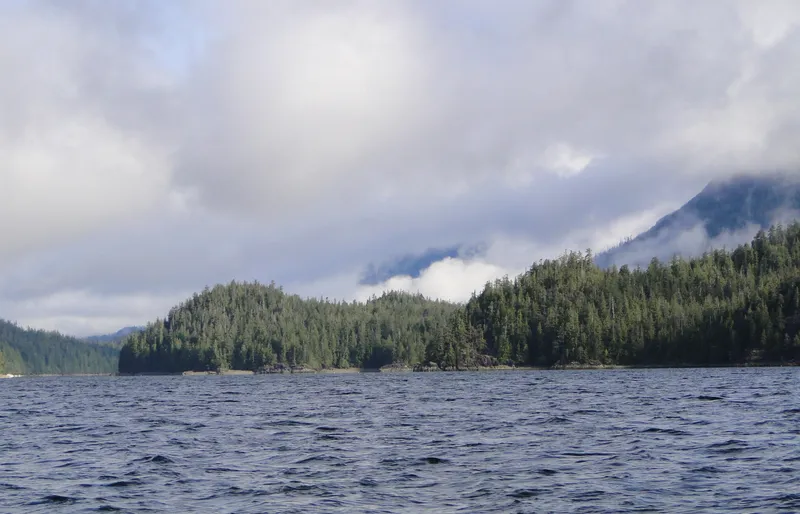
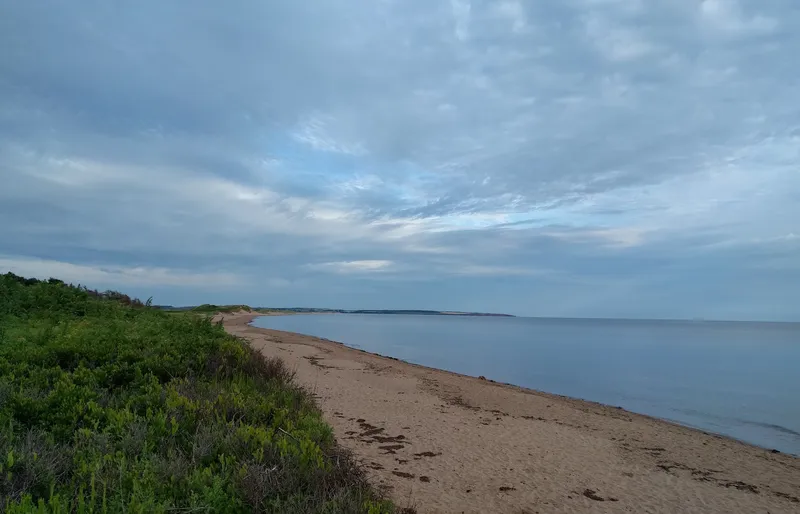
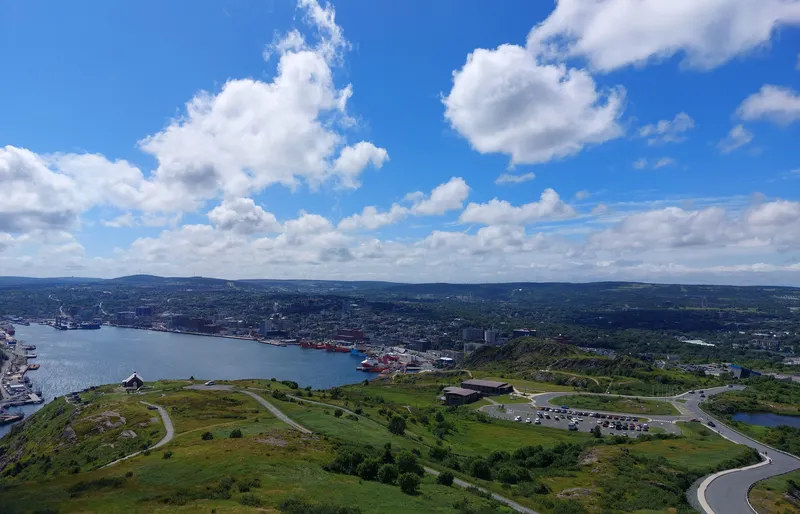
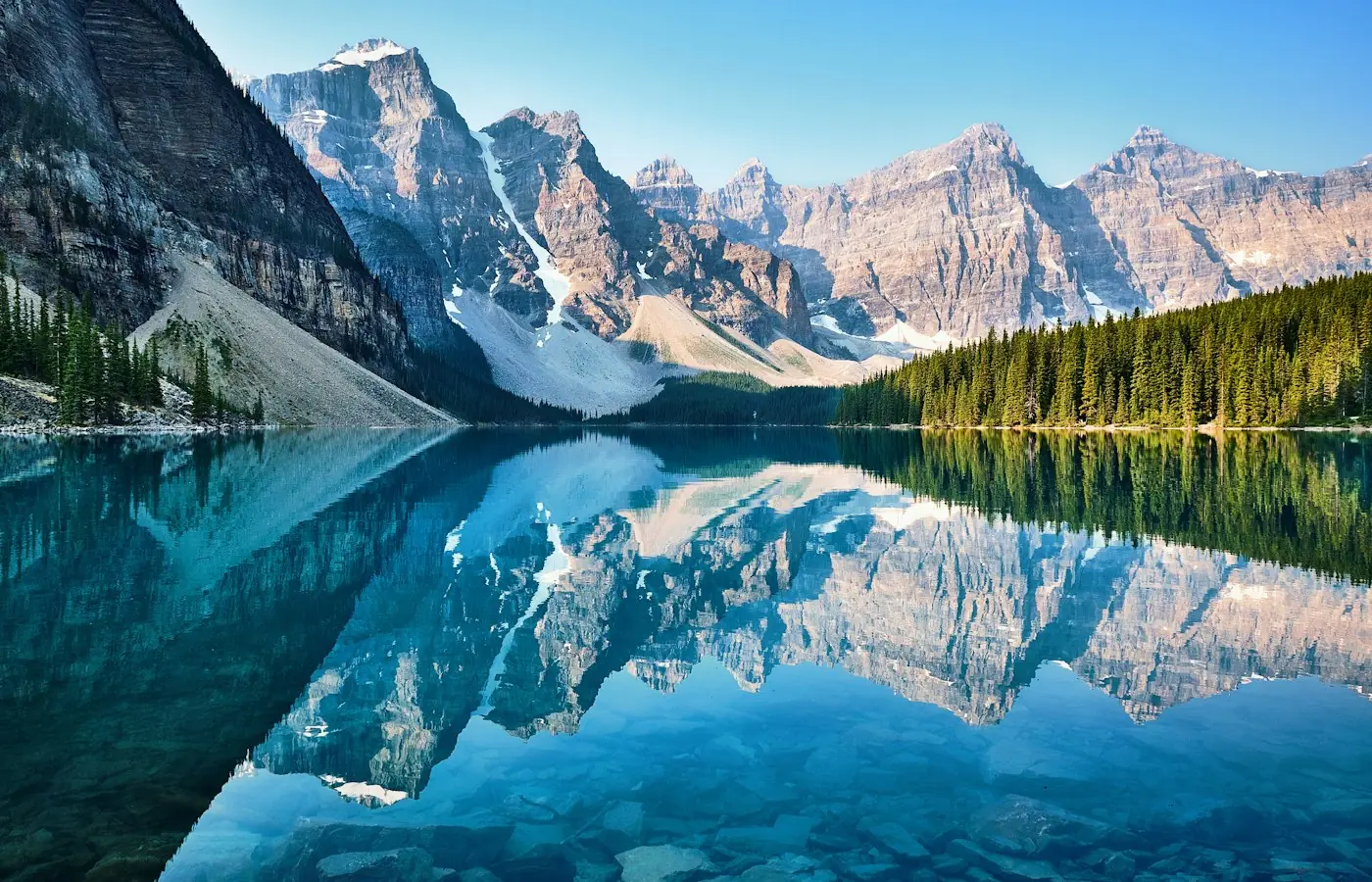
Canada is known for its scale, its outdoors and its range of landscapes. It stretches from the Pacific to the Atlantic and north toward the Arctic, with mountains, prairies, boreal forest, tundra, lakes, rivers and long coastlines in between.
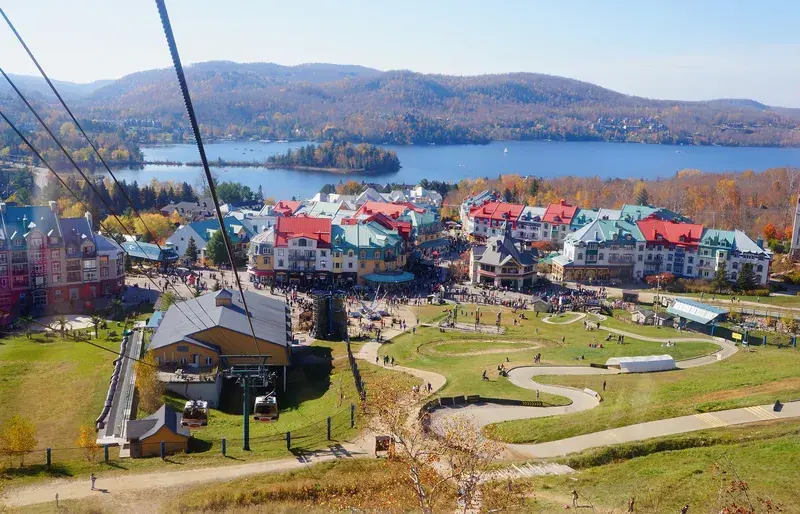
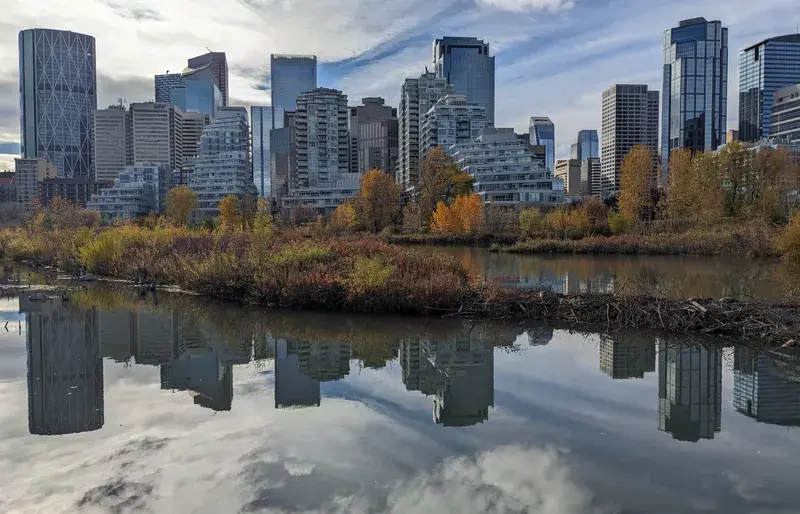
It is also known for national and provincial parks, northern lights in parts of the north, fall colours in eastern forests, winter sports in mountain towns and four very different seasons in much of the south. Many travellers come for a mix of cities and nature, often using one region as a base.
A short history
Long before Canada became a country, Indigenous peoples lived across these lands and waters. First Nations, Inuit and later the Métis developed distinct languages, governments, trade networks and relationships with local places, and their histories remain central to understanding the country today.
From the 1500s onward, European exploration and settlement expanded, led first by France and later shaped strongly by Britain. Confederation created the Dominion of Canada in 1867, beginning with Ontario, Quebec, Nova Scotia and New Brunswick, and other provinces and territories joined over time. The 20th century brought westward growth, two world wars, changing immigration and major social change, including the continuing work of reconciliation with Indigenous peoples.
Places to start
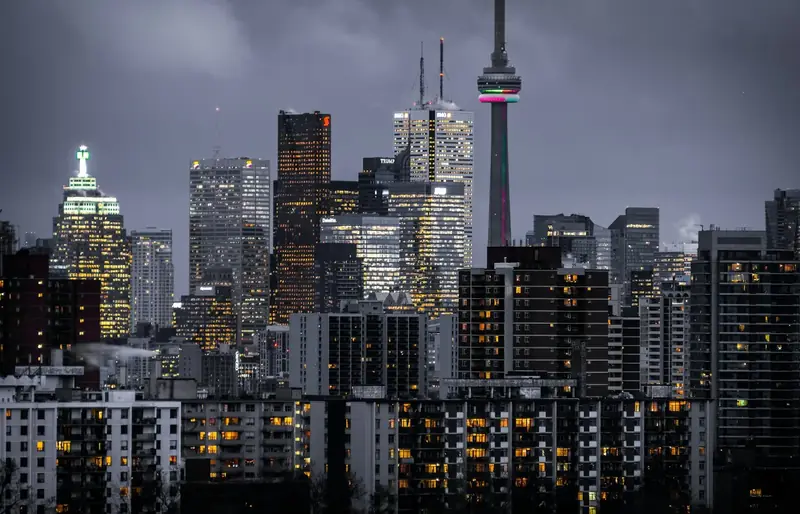
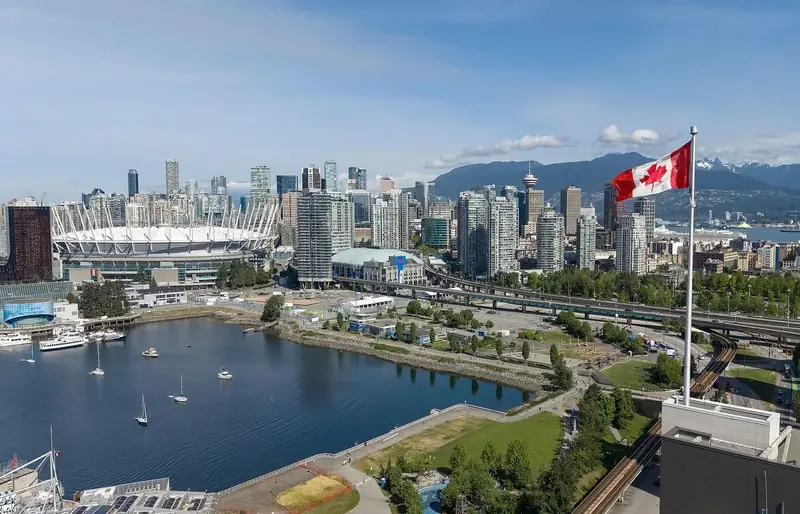
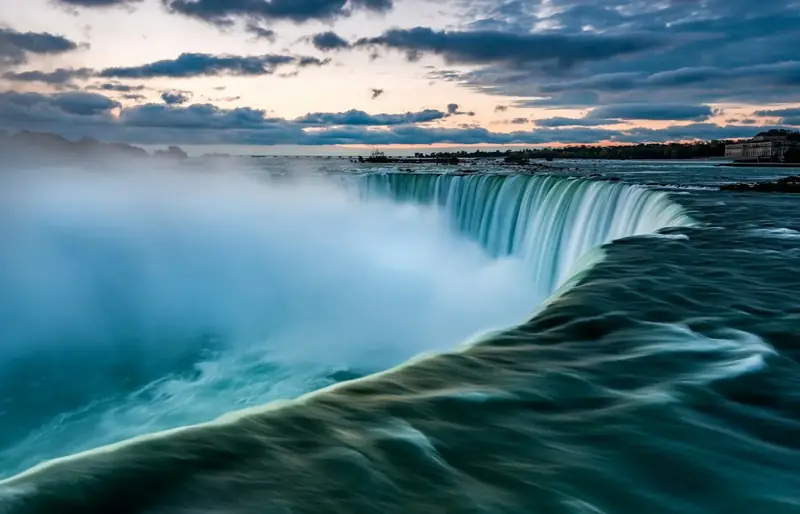
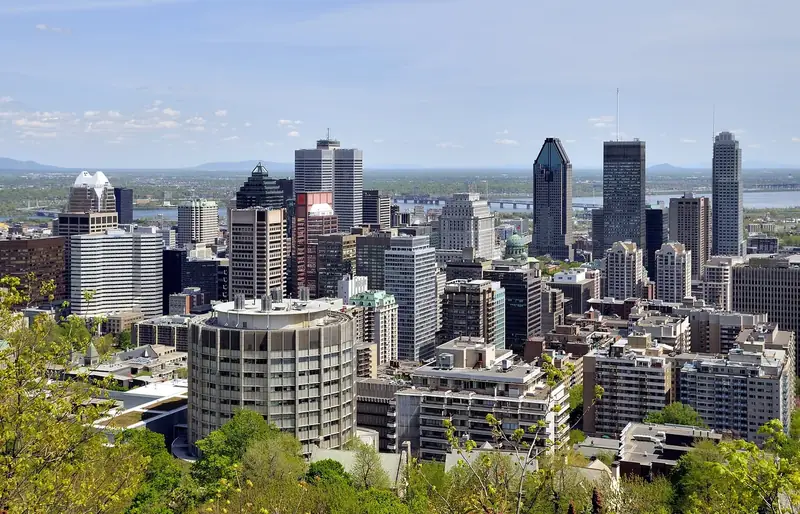
For a first trip, many travellers choose one region rather than trying to cross the whole country. That could mean Toronto and Niagara in Ontario, Montreal and Quebec City in Quebec, Vancouver and the coast or Rockies in British Columbia and Alberta, or a loop through parts of Atlantic Canada.
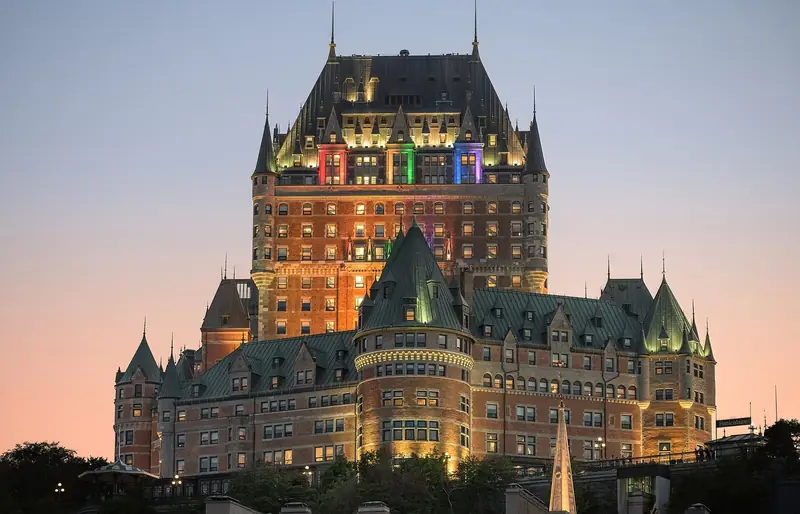
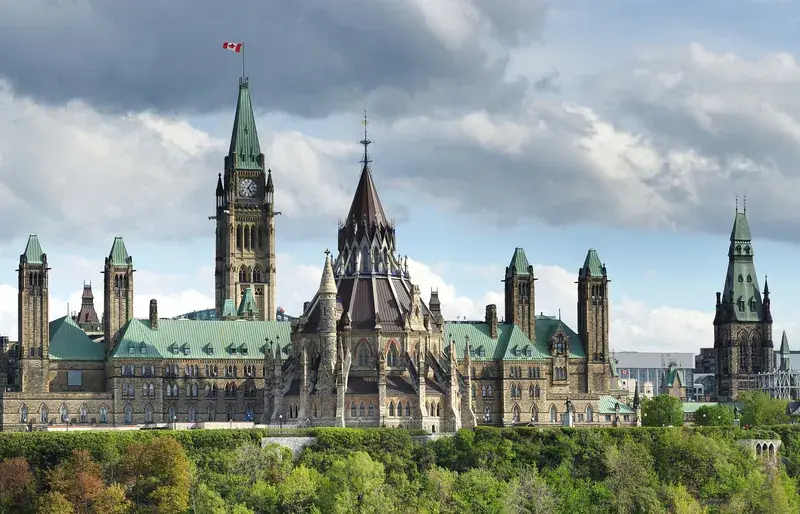
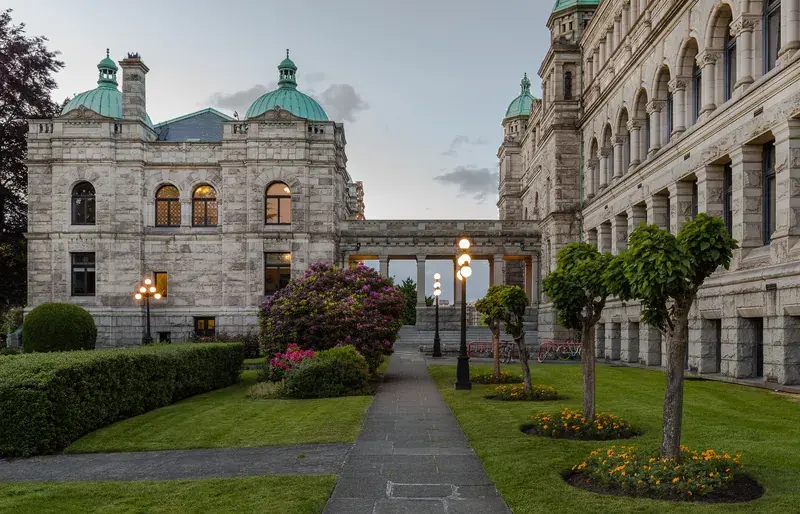
Well-known starting points include Banff and Jasper in the Rockies, Vancouver Island and Tofino on the Pacific, Ottawa and the national capital region, and historic districts in Montreal and Quebec City. If your trip depends on ferries, mountain roads, park reservations or seasonal access, check the official source before you go.
Food and culture
Canadian food and culture vary a lot by region, shaped by Indigenous traditions, French and British history, immigration and local ingredients. Look for regional favourites such as poutine in Quebec, seafood in Atlantic Canada and coastal British Columbia, prairie beef and grains, maple products in eastern Canada and wild berries in many parts of the country. Cities and towns also reflect many communities through neighbourhood food, public markets, museums, festivals and summer events.
When to go
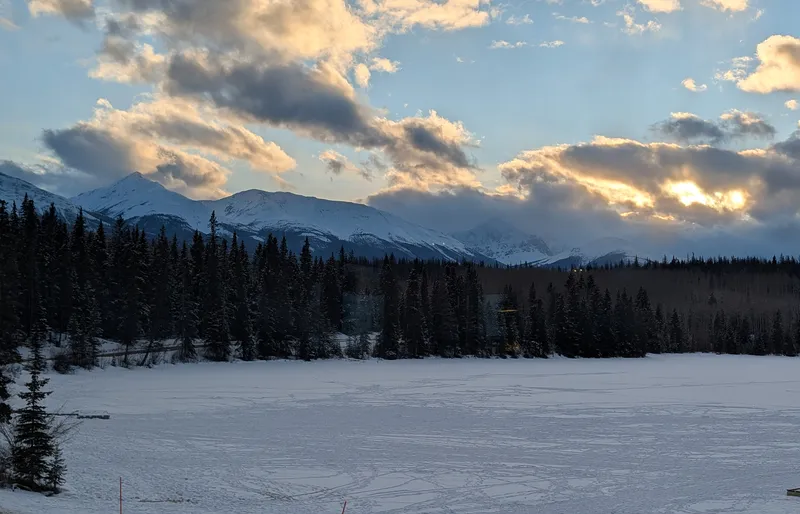
There is no single best month for the whole country. Summer suits road trips, hiking and festivals in many regions, while winter is the season for skiing, snowshoeing and northern lights in some northern areas. Spring and fall can be quieter and colourful, though weather can shift quickly, and some park roads, ferries and attractions are seasonal. Check official park, highway and travel sources before you go.
Before you go
This is not a complete list of the country, and not a ranking. You can also start from the province hubs: Ontario, Quebec, British Columbia, Alberta and Atlantic Canada. Hours and seasonal access change; check official sources before you go. For travel advice, start with the Government of Canada's Travel advice and advisories.
Related region guides: Ontario · Quebec · British Columbia · Alberta · Atlantic Canada.
Related tips: Fall colours road trips · March break trip ideas.
Best time to go
Canada has many climates. Mountain towns have a winter sports season and a summer hiking season, with official park reservation rules that change. Coastal British Columbia is milder and wetter in winter. Atlantic Canada and southern Ontario and Quebec have four sharp seasons, including a fall-colour window whose dates change each year. There is no single 'best month' for the whole country.
Getting there from Canada
Domestic flights, VIA Rail and the highway system link the cities already on this site. International visitors use the large gateways (Toronto Pearson, Montreal-Trudeau, Vancouver, Calgary and others). This shop is written for travellers starting from Canada as well as those moving between regions.
Official travel advice
Travelling inside Canada does not use a country travel-advice page. Use official park, ferry and highway notices where they are mentioned above.
Search flights, cars, tours and airport rides under Plan your trip below. Checkout is on the partner's site.