What Ontario is known for
Ontario is Canada’s most populous province and one of its most varied. It stretches from the Great Lakes and the national capital at Ottawa to the Niagara River, with Toronto as its largest city and a long cottage-country tradition in Muskoka and along the Canadian Shield.
Many trips here mix city time with water and woods: a museum or market morning in town, then a lake, park or scenic drive later the same week. This page is a starting point, not a complete list of the province, and not a ranking.
A short history
Ontario’s earliest history is Indigenous history. Long before European settlement, the land now called Ontario was home to many First Nations, including Anishinaabe and Haudenosaunee peoples, among others. Their histories and communities remain central to the province today.
From the 1600s onward, the region became part of French and later British colonial networks, and it entered Confederation in 1867 as one of Canada’s original provinces. The story since then includes industry, immigration and the growth of major cities, alongside the creation of parks, museums and historic sites that now help tell those layered histories.
Places to start
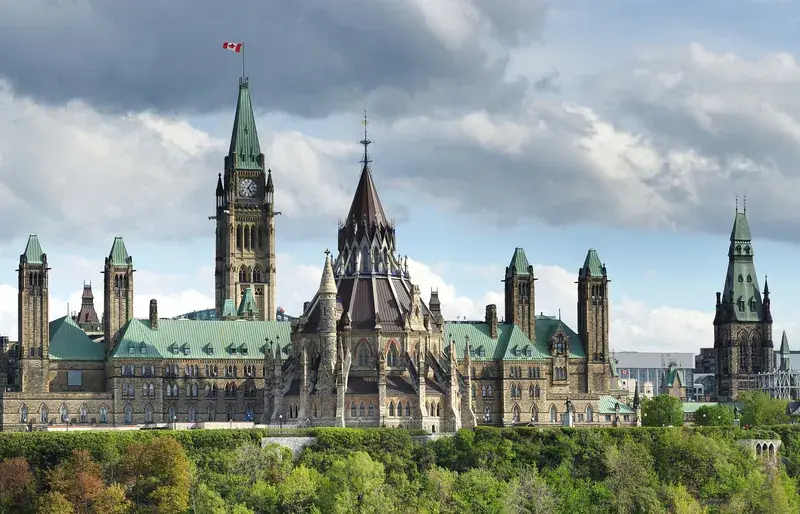
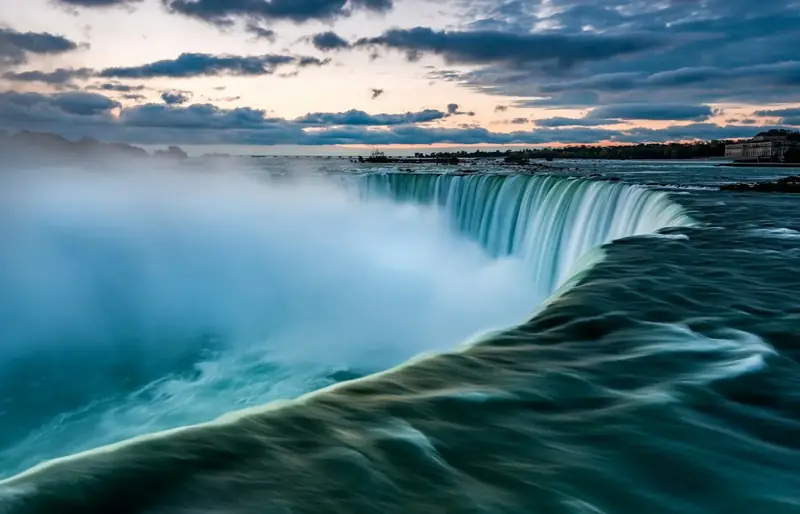
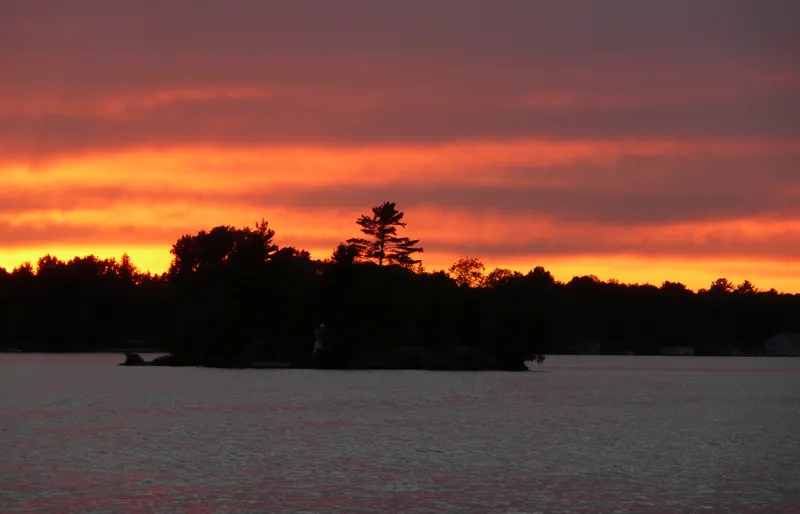
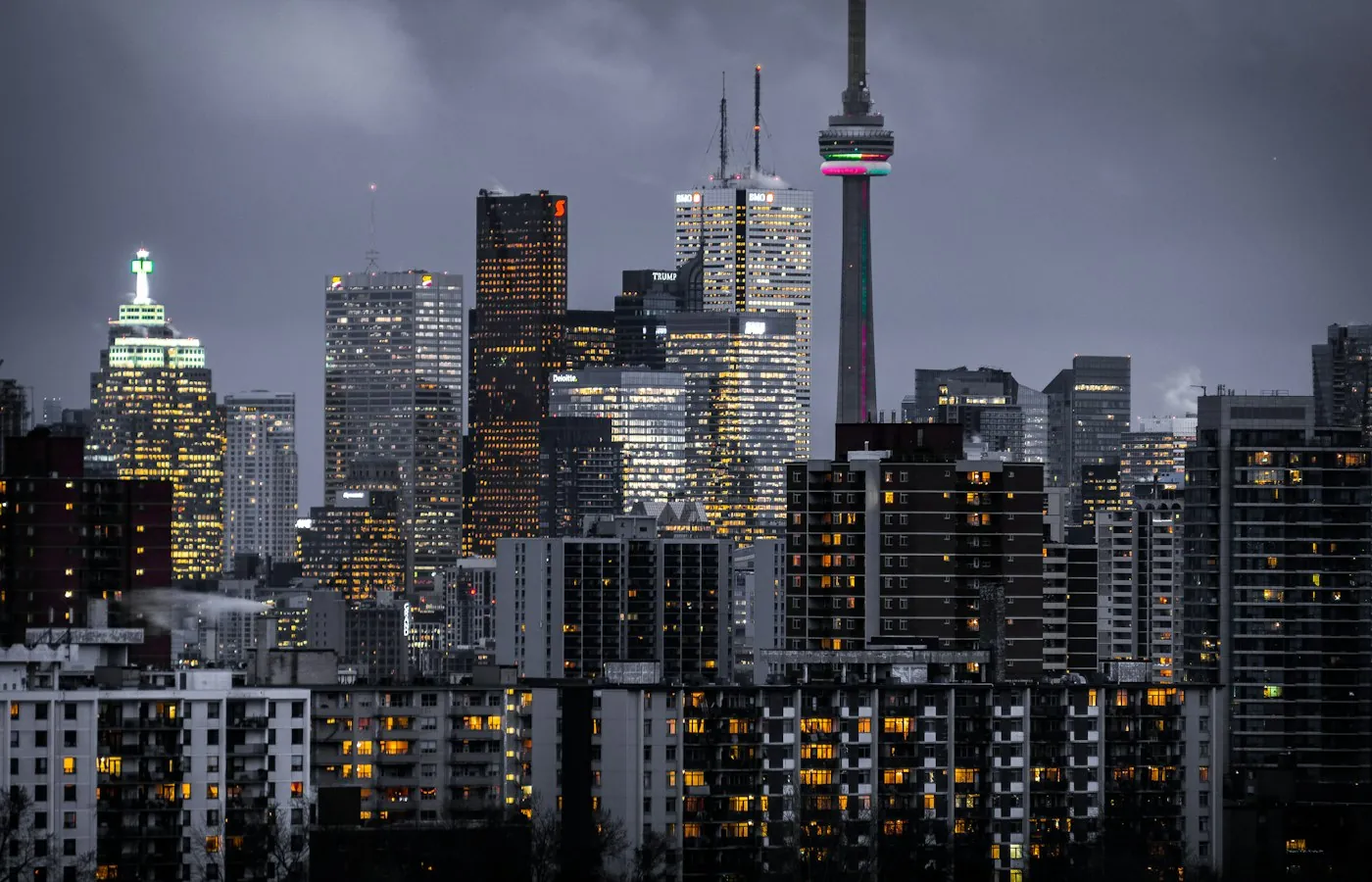
For many Canadian travellers, a first Ontario trip begins in Toronto or Ottawa for galleries, neighbourhoods, landmarks and easy city wandering. From there, Niagara Falls is a familiar day or overnight trip, while Muskoka and other cottage-country areas suit slower lake stays and fall drives.
Provincial and national parks are another common way into the province, especially for camping, canoeing, hiking and autumn colour. If a place has seasonal access, reservations or entry rules, check the official source before you go.
Food and culture
Ontario’s food and culture reflect both place and population: farmers’ markets, maple syrup season, butter tarts, Great Lakes fish in some areas, and the many international food traditions rooted in Toronto and other cities. Cultural life ranges from festivals and theatres to museums, galleries and Indigenous-led experiences across the province.
When to go
Late spring through early fall is the usual season for city-and-lake trips in southern Ontario, with warm weather for patios, waterfronts, parks and cottage country. Fall is a major draw for colour in Muskoka, Algonquin and along the Shield, though timing shifts each year. Winters are cold and snowy, with skating and winter city breaks when conditions allow.
Before you go
These pages are starting points already on this site, not a complete list of the province, and not a ranking. Hours and seasonal access change; check official sources before you go.
Related region guides: Canada · Quebec · Atlantic Canada.
Related tips: Fall colours road trips.
Best time to go
Late spring through early fall is the usual lake-and-city season in southern Ontario. Fall colour in Muskoka, Algonquin and along the Canadian Shield is a regional draw, with timing that changes each year. Winters are cold, with snow, ice and, in a good year, official skating on Ottawa's canal when it is open.
Getting there from Canada
Most trips inside the province start from Toronto Pearson, Billy Bishop, Ottawa or a highway. Northern and cottage-country destinations usually need a car. Niagara Falls is a road or rail-and-bus trip from Toronto, not a flight.
Official travel advice
Travelling inside Canada does not use a country travel-advice page. Use official park, ferry and highway notices where they are mentioned above.
Search flights, cars, tours and airport rides under Plan your trip below. Checkout is on the partner's site.