
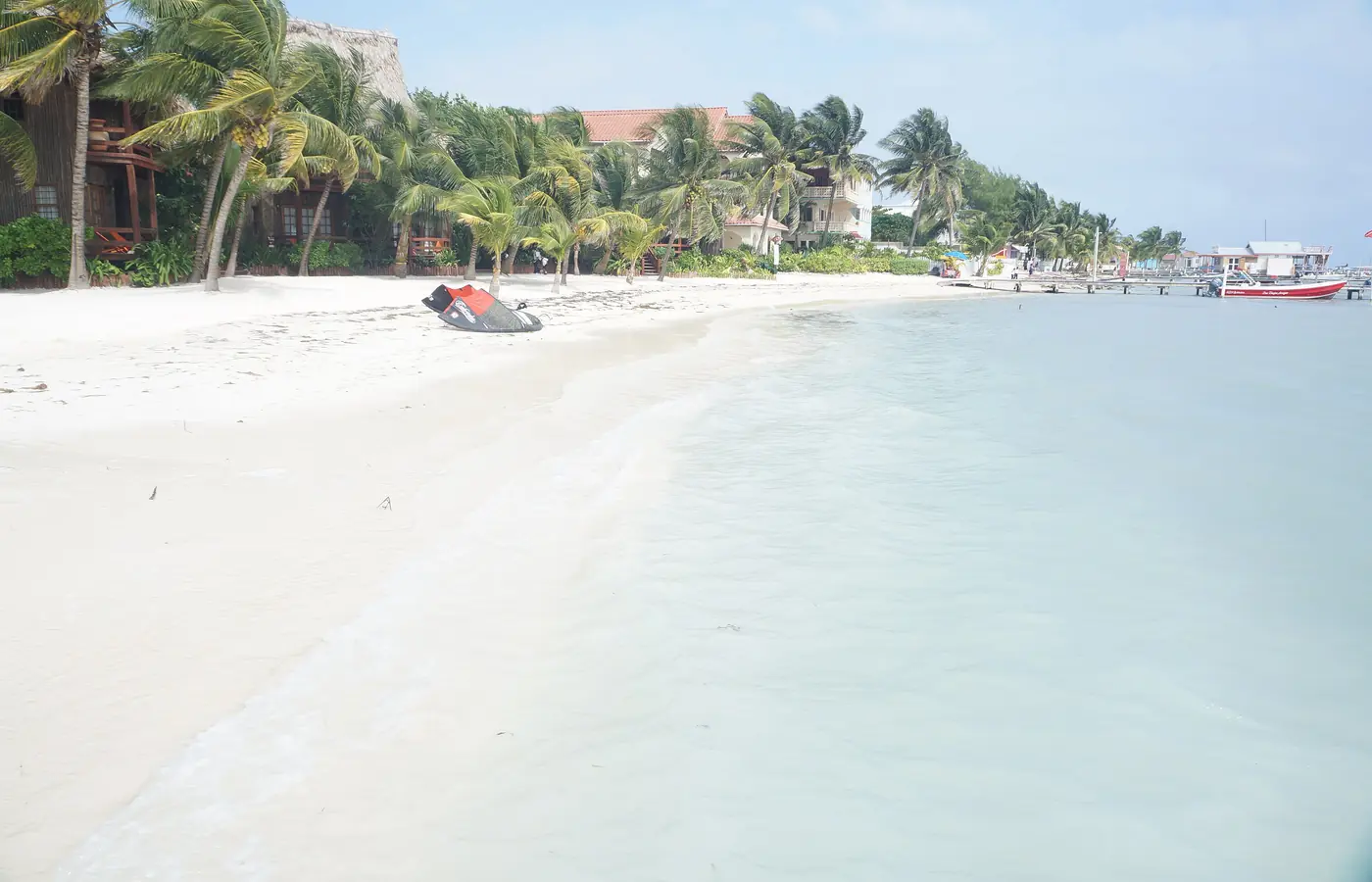
What Belize is known for
Belize stands out on the Central American mainland for its English-speaking heritage and direct access to the Belize Barrier Reef, the second-largest coral reef network on earth. Travellers come to explore shallow marine waters, offshore atolls, and dense sub-tropical rainforests, all within a relatively compact territory.
Inland, the country holds an extensive network of limestone caves, rivers, and ancient Maya cities. With a mix of Creole, Maya, Garifuna, and Mestizo communities, it offers an easygoing Caribbean atmosphere paired with outdoor adventure that appeals to divers, hikers, and wildlife watchers alike.
A short history
Long before European contact, the Maya civilization flourished across the territory. Major ceremonial centres and farming settlements rose throughout the river valleys and limestone plateaus, reaching their peak during the Classic period before declining around the ninth and tenth centuries.
In the 1600s, English and Scottish buccaneers, known as Baymen, established camps along the coast to harvest logwood and later mahogany. Spain contested British control for over a century, culminating in the 1798 Battle of St. George's Caye, which cemented British dominance. The settlement grew heavily reliant on enslaved African labour to cut timber in difficult jungle conditions.
Formally declared the crown colony of British Honduras in 1862, the territory saw new waves of settlement, including Garifuna people arriving on the southern coast and Mestizo refugees fleeing the Caste War of Yucatán. In 1973, the colony changed its name to Belize, achieving full independence in 1981.
Following extensive damage from Hurricane Hattie in 1961, the government relocated the administrative capital inland from coastal Belize City to Belmopan. Today, Belize balances a timber and agricultural past with conservation, preserving large tracts of forest, marine life, and coastal reserves.
Neighbourhoods
Travellers encounter distinct regions rather than traditional urban quarters. On Ambergris Caye, the town of San Pedro serves as a busy hub with sandy streets, wooden piers, and quick reef access, while neighbouring Caye Caulker maintains a slower, pedestrian-focused pace. Inland, the Cayo District centres around San Ignacio, a market town on the Macal River that acts as the primary base for exploring caves and forested ruins.
Along the southern coastline, the Stann Creek and Toledo districts offer a quieter coastal experience. Placencia sits at the tip of a long, narrow peninsula with quiet beaches and village paths, while nearby Hopkins provides a close look at coastal Garifuna culture. In Belize City, the historic Fort George area near the mouth of Haulover Creek features colonial-era wooden architecture, the Baron Bliss Lighthouse, and breezy waterfront walkways.
Food and drink
Belizean cooking draws directly from its cultural communities, leaning heavily on fresh seafood, coconut milk, and plantains. A standard midday plate features stewed chicken paired with rice and beans cooked in coconut milk, accompanied by fried plantains and potato salad. Along the coast, Garifuna staples like hudut—a rich fish stew made with coconut milk and served with mashed plantains—feature prominently. Other popular staples include fry jacks served at breakfast with eggs and refried beans, crispy corn panades stuffed with fish or beans, and fresh juices made from soursop, lime, or tamarind.
Music, arts and culture
Cultural traditions in Belize reflect a convergence of African, Indigenous, and European heritage. Garifuna drumming drives traditional paranda and energetic punta rhythms, while modern punta rock blends traditional percussion with electric instruments. Maya crafts, such as slate carving and woven baskets, continue in inland villages, and local woodworkers carve bowls and furniture from native hardwoods like zericote and mahogany.
Top things to do
On the water, snorkelling and scuba diving lead the itinerary. Marine reserves such as Hol Chan Marine Reserve and Shark Ray Alley allow swimmers to see nurse sharks, rays, and sea turtles in clear, shallow waters. Farther offshore, the Great Blue Hole and the surrounding atolls provide deep drop-offs for experienced divers.
Inland, exploring ancient Maya cities is a major highlight. Xunantunich, reached by a hand-cranked ferry across the Mopan River, features the massive El Castillo pyramid. Actun Tunichil Muknal, often known as the ATM cave, provides an active route through flooded limestone chambers containing ancient ceremonial pottery and calcified skeletal remains.
Day trips
From San Ignacio, the massive Maya city of Caracol in the Chiquibul Forest Reserve makes an adventurous inland excursion reached via unpaved forest roads. For visitors staying on the cayes, a boat excursion to the Half Moon Caye Natural Monument offers birdwatching at a protected red-footed booby sanctuary. Travellers based in the western part of the country can also cross the border into Guatemala on a day trip to explore the towering temples of Tikal National Park.
Before you go
Confirm entry rules, marine-park access and health notices with official sources before you go, starting with the Government of Canada's Belize travel advice. Hours and closures change, we don't list them here.
Other Central American starting points on this site include Costa Rica, Guatemala, Panama and Roatán.
Best time to go
The drier season is often late November to April or May; June to November is wetter and overlaps the official Atlantic hurricane season. Inland areas and the cayes can feel like different trips.
Getting there from Canada
Flights from Canada typically arrive at Philip S. W. Goldson International in Ladyville, near Belize City, usually via a U.S. hub. Domestic flights or boats continue to Ambergris Caye (San Pedro), Caye Caulker and inland towns such as San Ignacio.
Official travel advice
Read the Government of Canada's Belize travel advice before you go. Rules and conditions can change.
Search flights, cars, tours and airport rides under Plan your trip below. Checkout is on the partner's site.