
What Costa Rica is known for
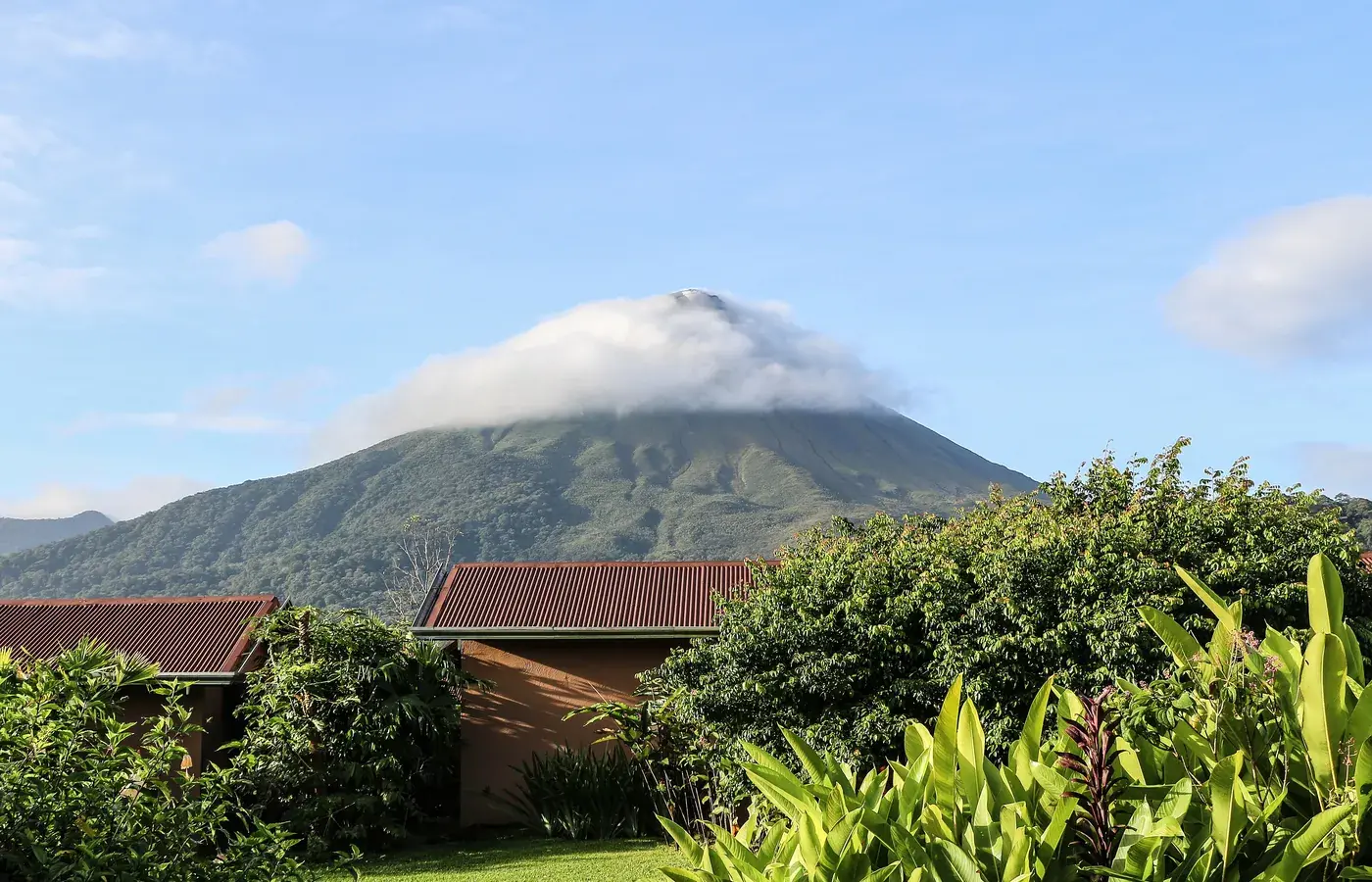
Costa Rica is known across the world for its rich biodiversity, dense tropical rainforests, and commitment to environmental conservation. The country protects roughly a quarter of its land area within national parks and wildlife reserves, giving travellers direct access to active volcanoes, cloud forests, and both Pacific and Caribbean coastlines.
Beyond its natural landscape, the nation is recognized for its peaceful civic tradition and the welcoming philosophy of pura vida, which translates literally to pure life. It is a destination where outdoor exploration meets an unhurried pace of daily life, whether you are spotting sloths in the forest canopy or spending time in coastal towns.
A short history
Long before European contact, diverse Indigenous groups inhabited the region, serving as a cultural bridge between Mesoamerican civilisations to the north and Andean cultures to the south. Notable remains from this pre-Columbian era include the carved stone spheres found across the Diquís Delta of southern Costa Rica.
Christopher Columbus arrived on the Caribbean coast in 1502, but the region remained a relatively isolated and rural outpost of the Spanish Empire for centuries due to a lack of mineral wealth. Costa Rica declared independence from Spain in 1821 alongside neighbouring Central American provinces, eventually establishing San José as its permanent capital.
Coffee and banana exports fueled economic development throughout the nineteenth and twentieth centuries, funding public education and civic institutions. A pivotal moment in modern Costa Rican history came in 1948, following a brief civil war, when the country abolished its standing military and redirected state resources toward healthcare, public schooling, and social stability.
In the late twentieth century, the nation shifted focus toward conservation, reversing deforestation trends through dedicated reforestation programs and protected park systems. Today, that enduring emphasis on environmental stewardship and democratic stability shapes the country visitors experience.
Neighbourhoods
In the capital of San José, Barrio Amón stands out with its historic turn-of-the-century architecture, where former coffee-merchant mansions line quiet, tree-shaded streets. Nearby, Barrio Escalante serves as the city's culinary centre, featuring pedestrian-friendly avenues popular for evening walks and casual dining.
Downtown San José centres around the bustling pedestrian corridor of Avenida Central and the green spaces of Parque Central and Parque Nacional. Outside the capital, regional hubs like Puerto Viejo de Talamanca offer a relaxed Afro-Caribbean coastal feel, while mountain communities like Monteverde maintain a quiet, rural atmosphere rooted in farming and conservation traditions.
Food and drink
Traditional Costa Rican food relies on fresh, wholesome ingredients, with black beans and rice forming the foundation of daily meals. The classic breakfast dish is gallo pinto, rice and beans tossed with bell peppers, onions, and local seasonings, often served alongside eggs and fried plantains. For lunch, the standard meal is the casado, a balanced platter featuring rice, beans, salad, fried plantains, and a choice of meat or fish. Fresh tropical fruits such as papaya, mango, and passion fruit are enjoyed whole or blended with water or milk into refreshing drinks called batidos, while domestically grown Arabica coffee remains a proud national tradition served throughout the day.
Music, arts and culture
Costa Rican culture is defined by a blend of Indigenous, European, and Afro-Caribbean influences, reflected in musical styles ranging from traditional marimba folk melodies to lively salsa, cumbia, and calypso on the Caribbean coast. The country places strong value on community celebrations, including colourful street parades featuring traditional giant papier-mâché masks known as mascaradas. In the capital, institutions like the National Theatre showcase classical performances, dance, and drama in an ornate late-nineteenth-century auditorium, while municipal plazas often host open-air concerts and community art exhibitions.
Top things to do
Exploring the protected natural areas ranks high on any travel itinerary. In the northern lowlands, Arenal Volcano National Park provides walking trails across old lava fields and access to geothermally warmed rivers, while the Monteverde Cloud Forest Reserve allows travellers to walk among misty treetops along suspended bridges. Along the central Pacific coast, Manuel Antonio National Park combines sandy beaches with coastal rainforest trails where capuchin monkeys, iguanas, and toucans are regularly observed.
Cultural exploration in San José includes visits to the Pre-Columbian Gold Museum, which houses an extensive collection of ancient Indigenous gold artifacts beneath the Plaza de la Cultura, and the National Museum of Costa Rica, housed in the historic Bellavista Fortress. For a look into everyday commerce, a stroll through the San José Central Market introduces visitors to vendors selling herbs, produce, and traditional meals under one historic roof.
Day trips
From San José, several natural attractions are reachable within a day's drive. Travellers can head up the slopes of the Central Volcanic Range to view the massive active craters of Poás Volcano or Irazú Volcano, where high-altitude paths offer sweeping views on clear mornings. Another easy day trip leads into the green Orosi Valley and the historic town of Cartago, home to the Basilica of Our Lady of the Angels, as well as the nearby forest gardens and rivers of the Cartago province.
Before you go
Park rules, trail access and entry requirements can change. Confirm details with official park and government sources, and read the Government of Canada's Costa Rica travel advice before you go.
Other Central American starting points on this site include Belize, Panama, Guatemala and Roatán.
Best time to go
Many visitors use the drier period (often December to April) on the Pacific side. The Caribbean side can have a different rain pattern. May to November is generally wetter on much of the Pacific slope, with morning sun and afternoon rain common. There is no official Atlantic hurricane-landfall season in the same way as islands further north, but heavy rain and Pacific storms can still affect travel.
Getting there from Canada
Flights from Canada typically arrive at Juan Santamaria International in San Jose, including some nonstops, otherwise via a U.S. hub. Liberia (Daniel Oduber) in Guanacaste is a second international airport closer to many Pacific beaches. Domestic transfers continue to other coasts.
Official travel advice
Read the Government of Canada's Costa Rica travel advice before you go. Rules and conditions can change.
Search flights, cars, tours and airport rides under Plan your trip below. Checkout is on the partner's site.