
A straightforward first-visit plan: spend time in one official city already on this site, then add a second official city only if you want another official country or another official language. Details below were taken from official pages, except where a source is dated earlier. They can change, so confirm before you go.
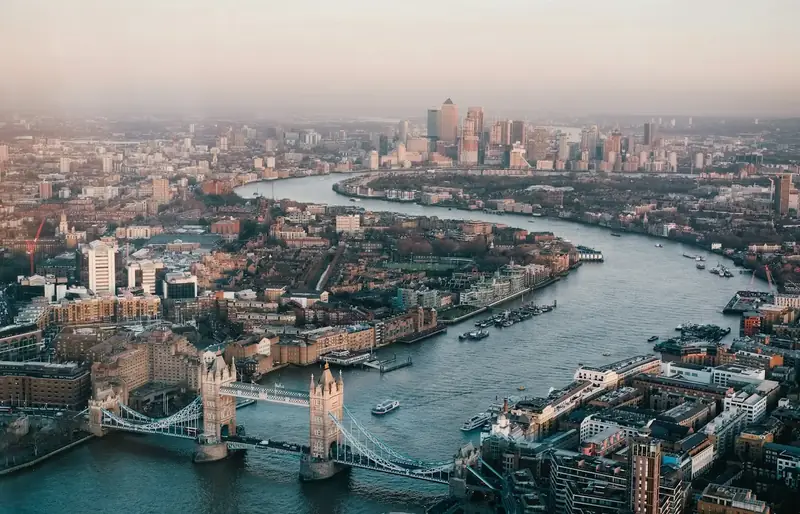
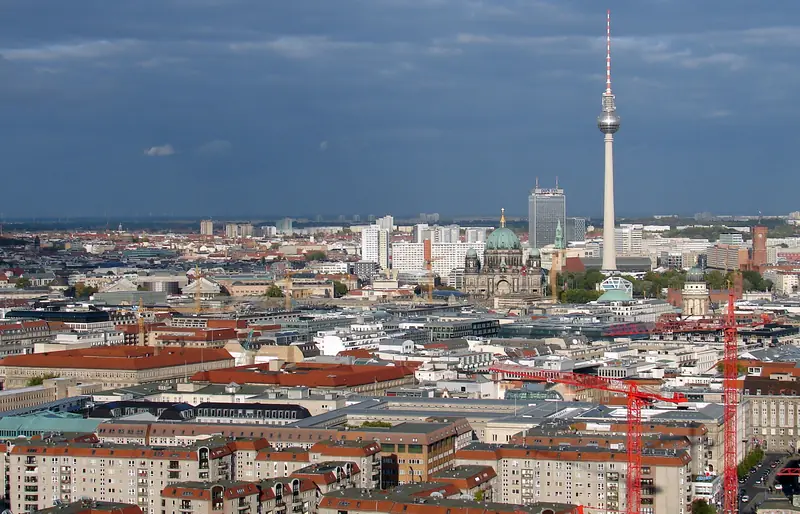
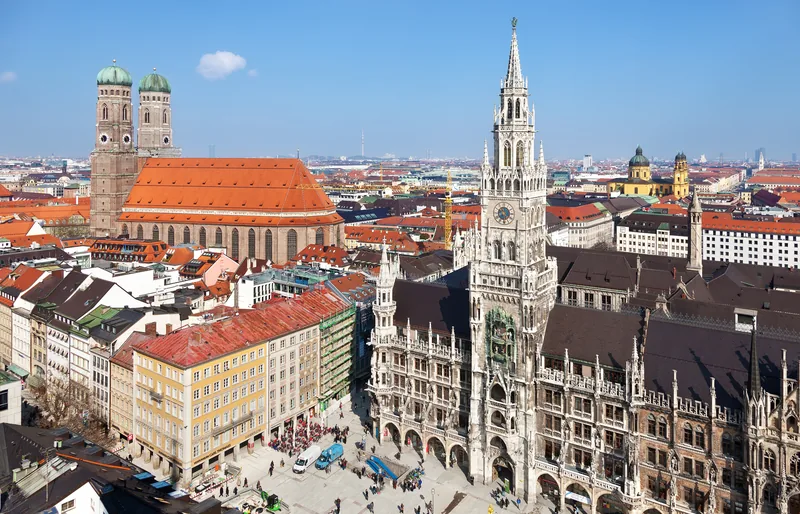
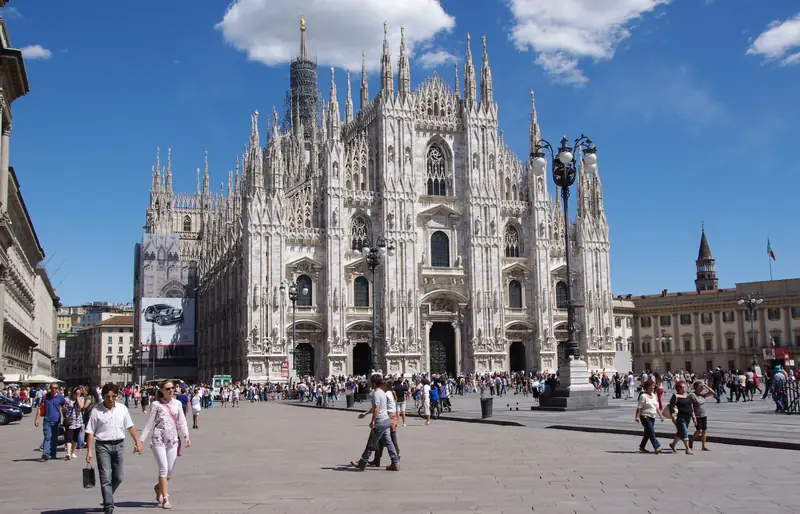
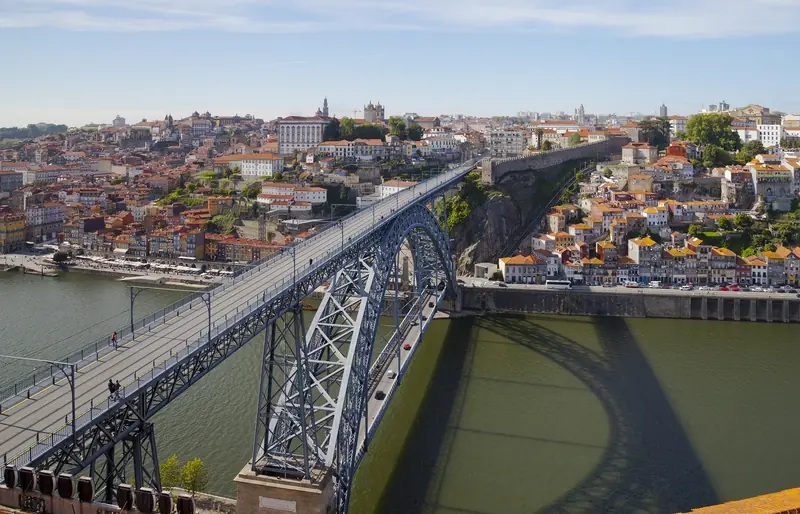
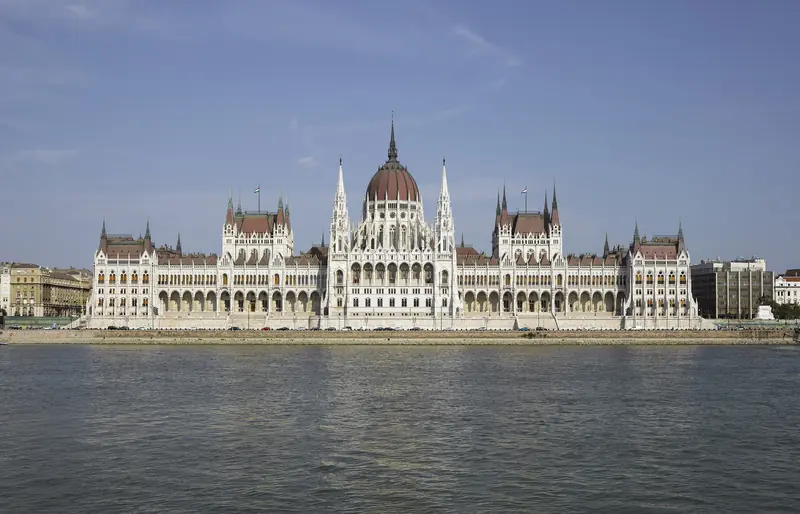
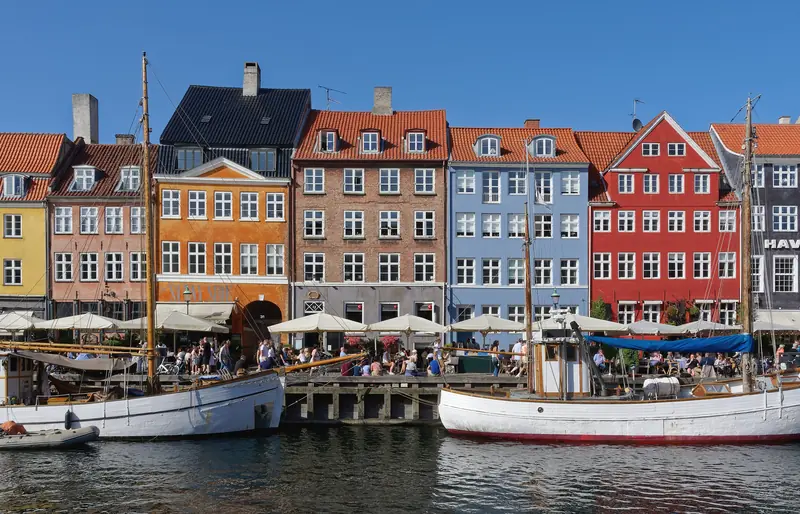
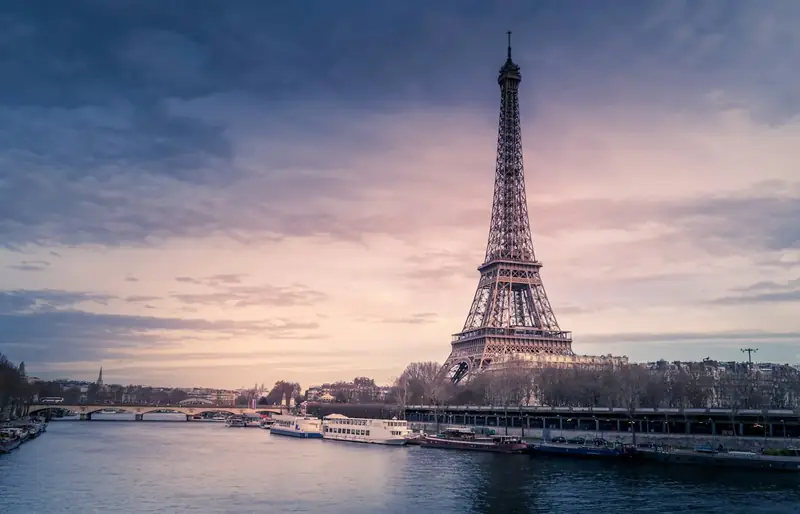
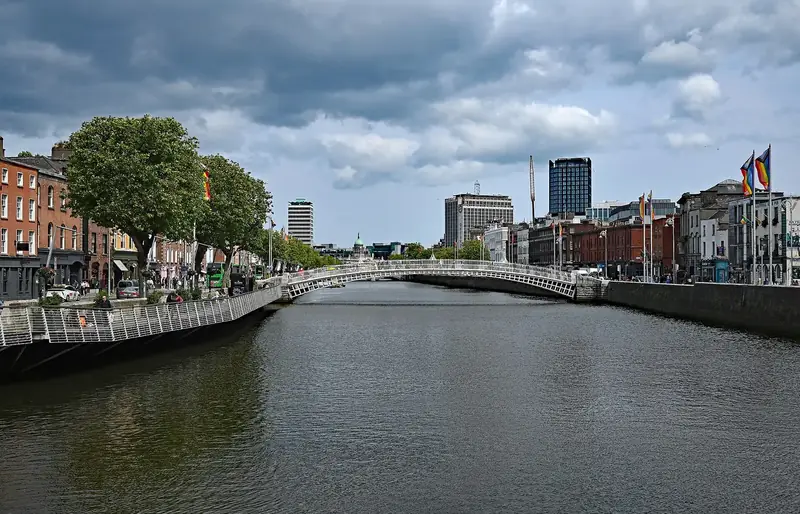
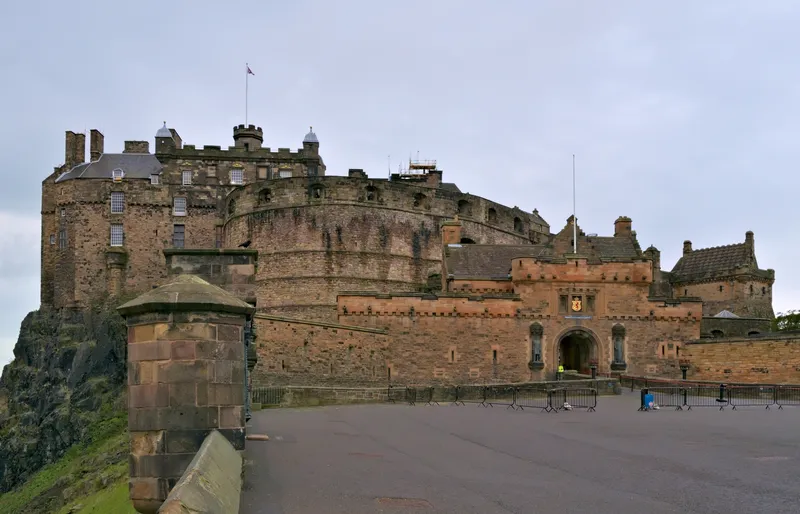
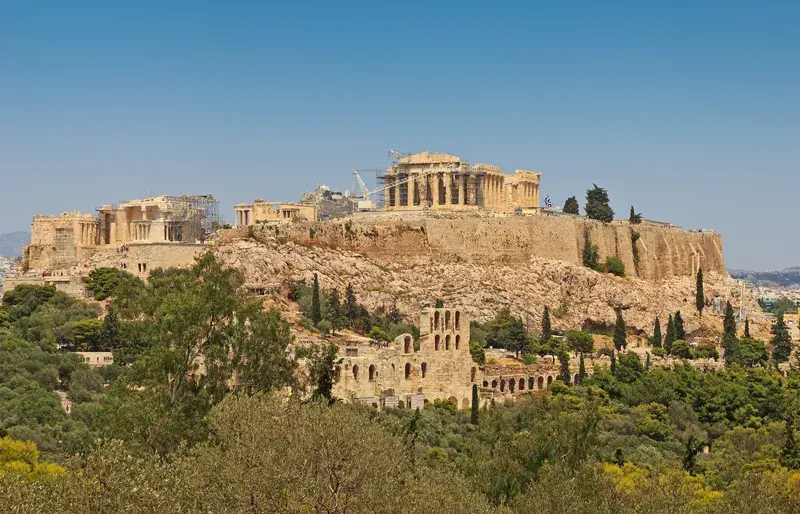
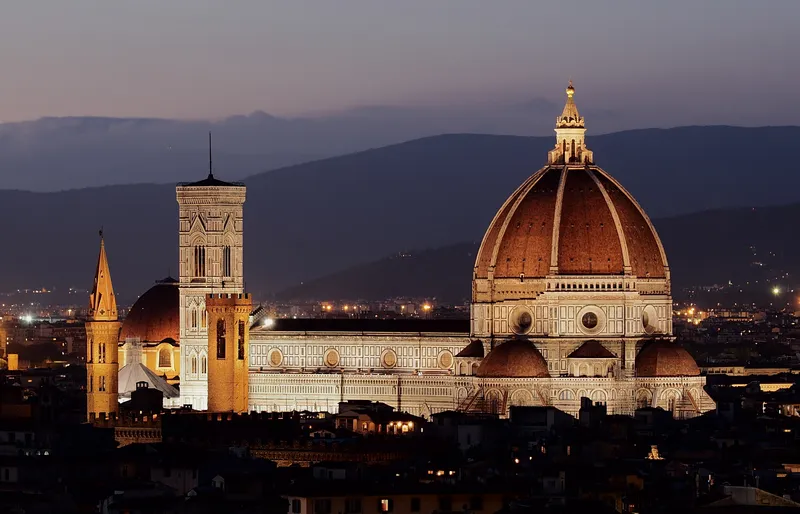
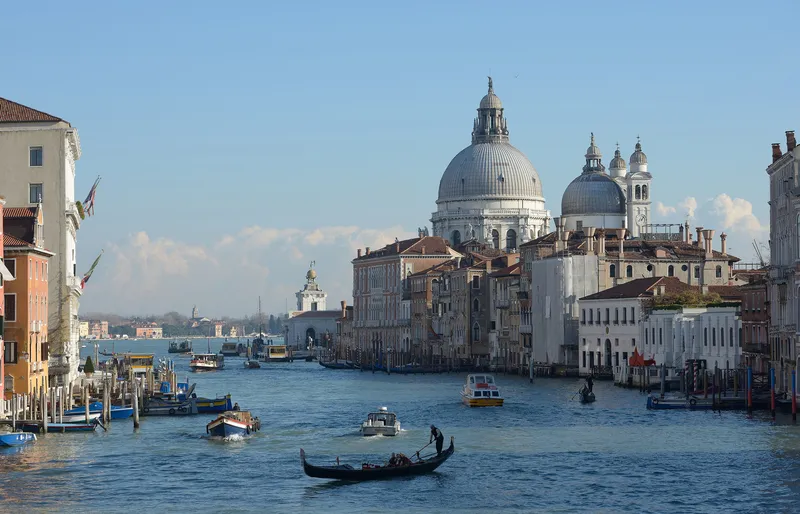
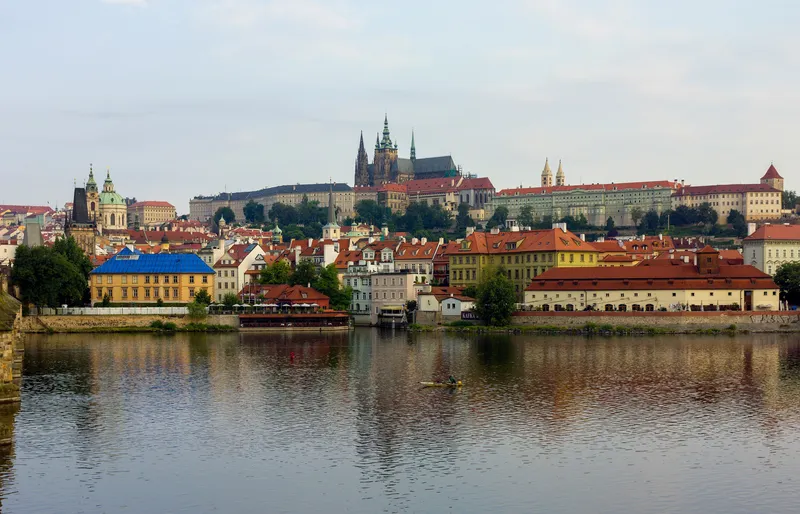
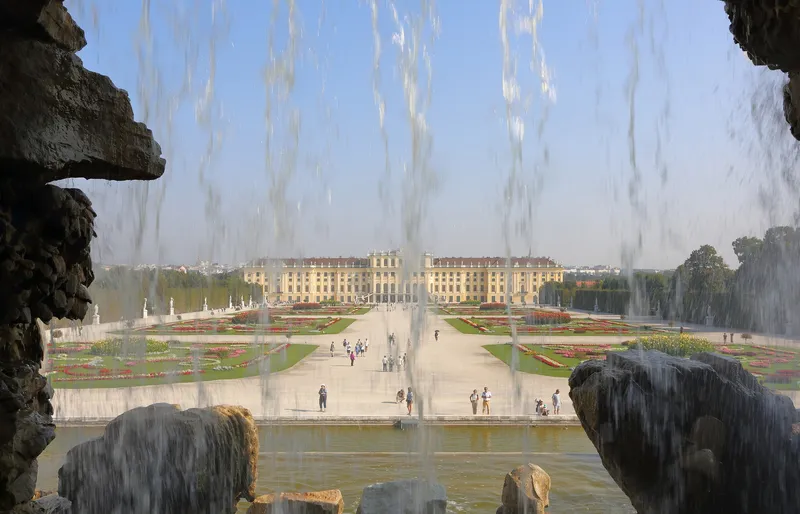
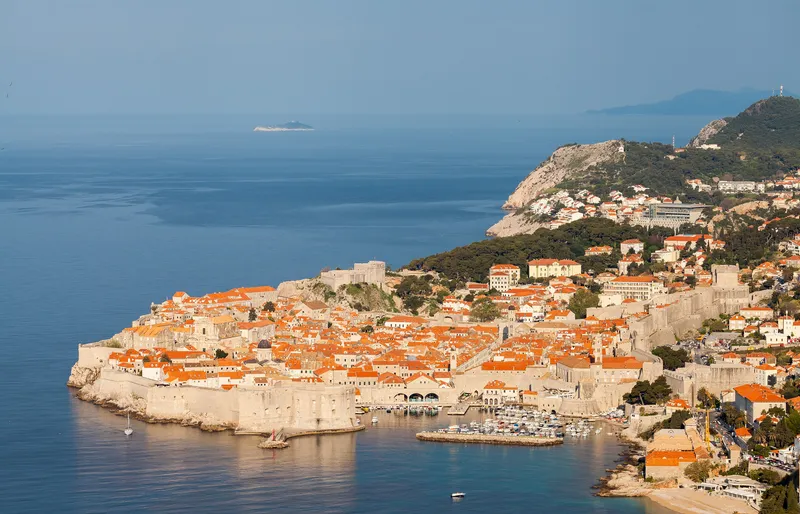
Europe, for a traveller starting from Canada, is a dense map of historic cities, each with a language, a table and a skyline of its own. This site already has guides from London, Paris and Rome to Lisbon, Barcelona and Madrid, from Amsterdam, Berlin and Copenhagen to Prague, Vienna and Budapest, and on to Dublin, Edinburgh, Reykjavik, Athens, Santorini, Florence, Venice, Milan, Porto and Dubrovnik. That is still only a starting list. The character of the continent is this closeness: a train or a short flight can change the language, the architecture and the light, and a stay in one city can be complete without trying to collect them all.
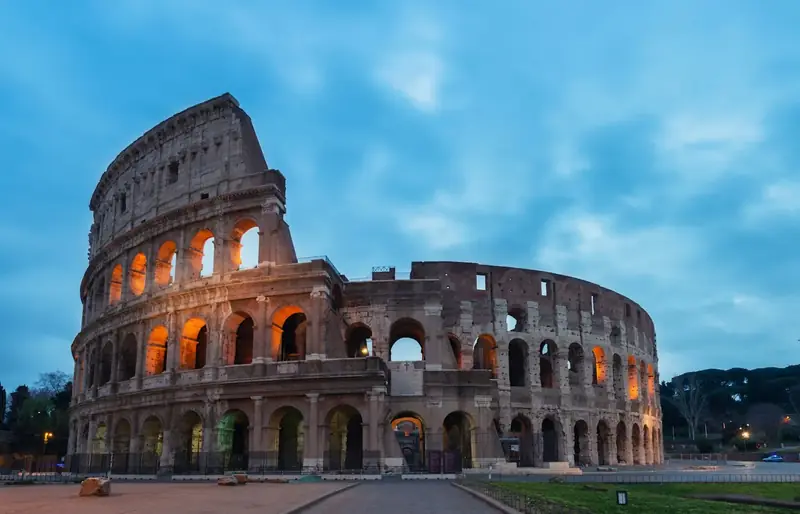
History is the amenity as much as the scenery. Many of the cities on this site are themselves official historic landscapes. Paris has the Banks of the Seine, a UNESCO World Heritage urban river of monuments and bridges. Rome's historic centre, Florence, Venice and others carry their own World Heritage designations, and the city guides give those official stories in place — foundations, empires, medieval communes, ports and capitals — rather than as one European essay. You walk that history in streets that are still lived in: markets, churches, palaces opened as museums, and neighbourhoods that have kept a local pace beside the famous squares.
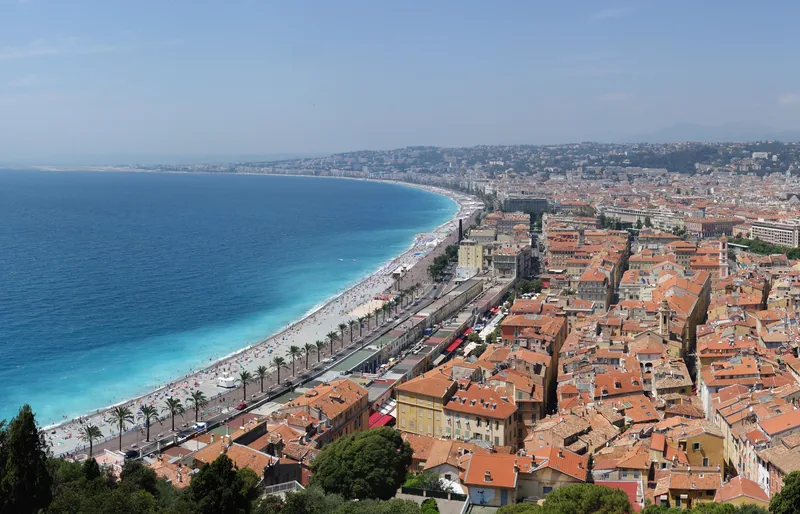
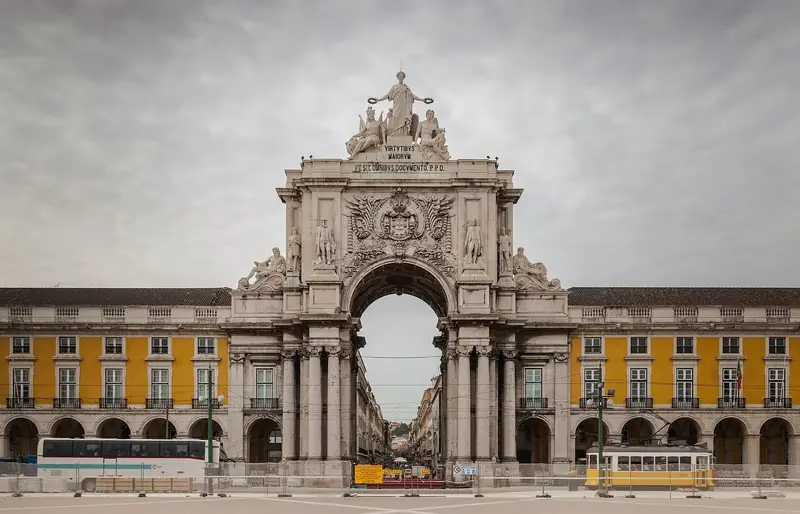
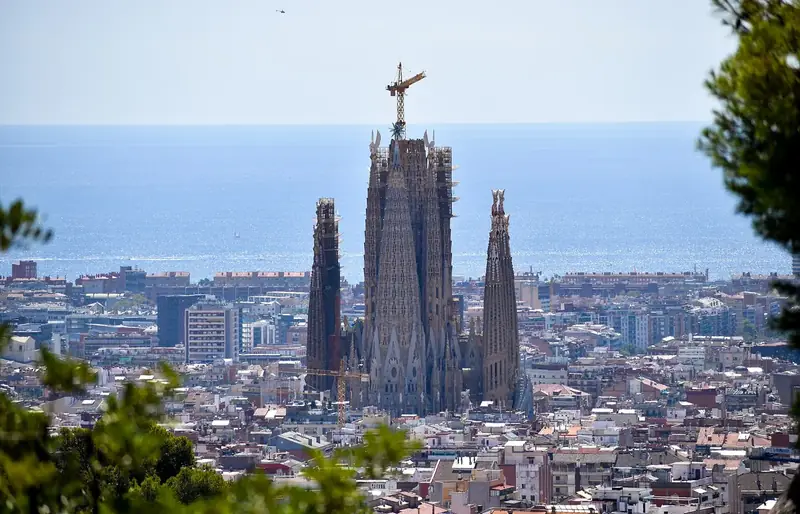
The landscapes around those cities are just as varied. There is a Mediterranean south, with Barcelona, Athens, Santorini and the Italian and Croatian coasts. There is an Atlantic west, from Lisbon and Porto to Ireland and Scotland. There are Central European capitals — Prague, Vienna, Budapest, Berlin — and a Nordic and North Atlantic edge at Copenhagen, Amsterdam and Reykjavik. The local character of a trip depends on which of those worlds you choose. A stay in Venice is not a stay in Edinburgh. A few days in Reykjavik, with Iceland's volcanic country beyond the city, is not a few days in Rome.
Entry rules are not the same for every country on this list. Ireland and the United Kingdom are not in the Schengen Area; many other countries on this hub are. Iceland is in the Schengen Area. Confirm the current passport, visa and entry requirements for the first country you enter, and for any that follow, on the Government of Canada's travel advice for that country. The cards below send you on to a city guide, which is where a European trip actually begins. A hotel map of the whole continent is too wide to help; search stays once you have chosen a city.
How long to stay
We would allow two or three full days if you want one official city at an unhurried pace. Add more days if you want a second official city as well. That is our suggestion, not an official recommended length of stay. Confirm hours, tickets and official entry rules before you go.
Quick facts
- Guides on this site
London, Paris, Rome, Lisbon, Barcelona, Madrid, Amsterdam, Berlin, Copenhagen, Prague, Vienna, Budapest, Dublin, Edinburgh, Reykjavik, Athens, Santorini, Florence, Venice, Milan, Porto and Dubrovnik. This is not a complete list of the continent.
- Entry rules
Requirements depend on the country you enter first, and on any you visit after that. Ireland and the United Kingdom are not in the Schengen Area. Many other countries on this hub are; Iceland is in the Schengen Area. Confirm on the Government of Canada's travel advice for each country before you go (checked 20 November 2026). Start with the travel advice and advisories.
- How long
Our pick: We would allow two or three full days if you want one official city at an unhurried pace. Add more days if you want a second official city as well. Confirm hours, tickets and official entry rules before you go.