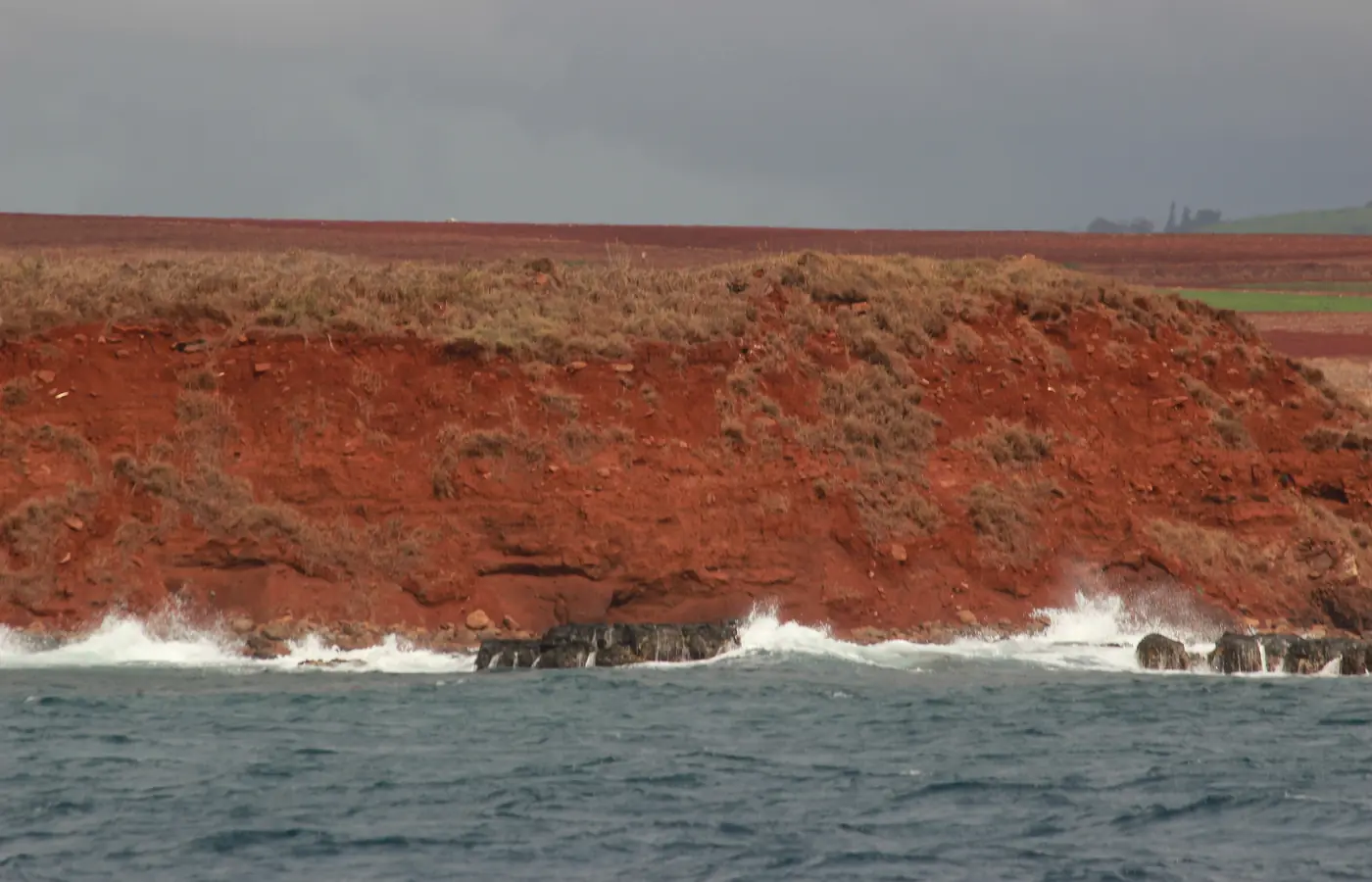
What Hawaii is known for
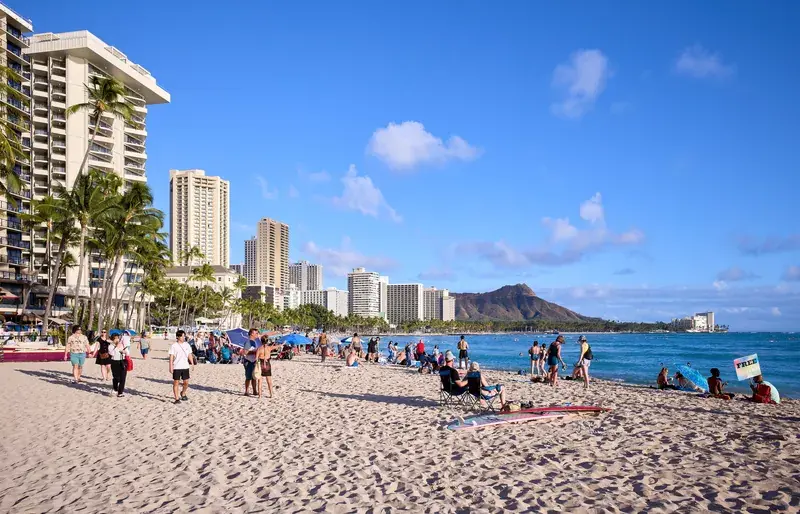
Hawaii is a U.S. state in the north-central Pacific, an archipelago of volcanic islands known for beaches, surf, and a warm tropical climate that draws travellers in every season. Each island has its own character, from the city energy of Honolulu on Oʻahu to the rainforests and cliffs of Kauaʻi.
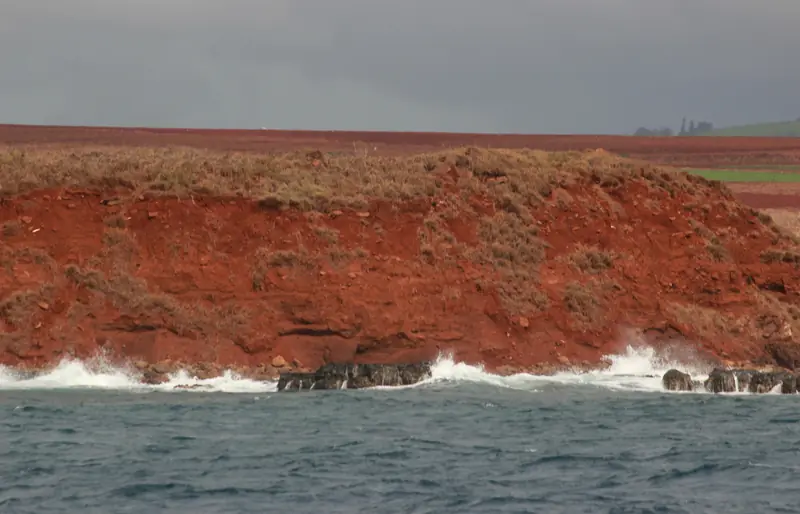
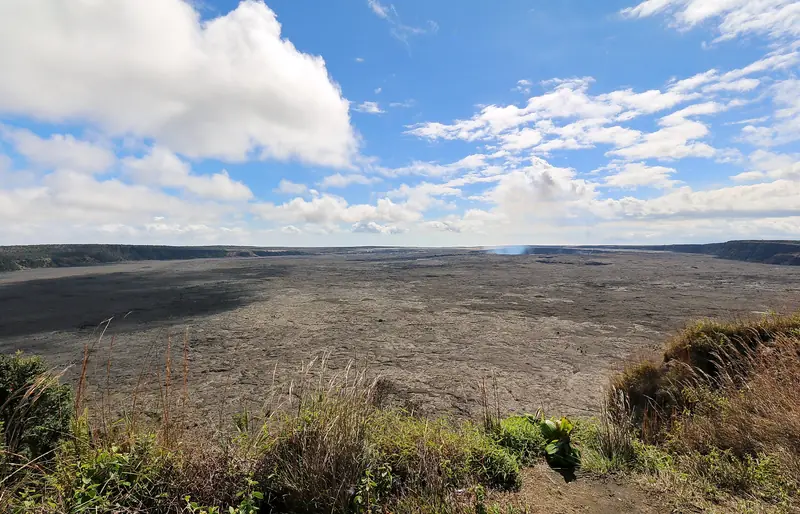
The islands are also known for their living Hawaiian culture, including hula, music, and the Hawaiian language, as well as for active volcanic landscapes on the Island of Hawaiʻi. Leeward coasts tend to be drier and windward coasts wetter, so the weather can change noticeably from one side of an island to the other.
A short history
The Hawaiian Islands were settled by Polynesian voyagers who crossed the Pacific in canoes, arriving well over a thousand years ago and building a society rooted in farming, fishing, and a complex system of chiefs and kapu, or sacred laws. Their descendants are the Native Hawaiian people of today.
In the early 1800s, Kamehameha I united the islands into a single kingdom, which was recognized by other nations. American missionaries, traders, and sugar plantations followed, and in 1893 the Hawaiian monarchy was overthrown. The United States annexed Hawaii in 1898, and the 1941 attack on Pearl Harbor drew the U.S. into the Second World War. Hawaii became the 50th U.S. state in 1959.
Places to start
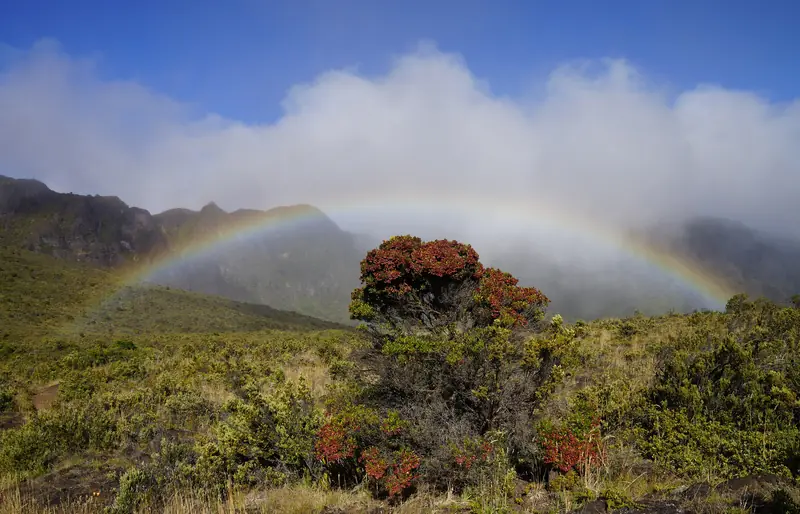
Most Canadian travellers begin on Oʻahu, where Honolulu offers the beach neighbourhood of Waikiki, the Diamond Head crater viewpoint, and the Pearl Harbor historic sites. Maui is known for the Road to Hana, the summit area of Haleakalā National Park, and long stretches of beach.
Kauaʻi appeals to travellers who want quieter scenery, including the Nāpali Coast and Waimea Canyon, while the Island of Hawaiʻi (the Big Island) is home to Hawaiʻi Volcanoes National Park, the Kona coffee-growing district, and black and green sand beaches. Because inter-island travel means another flight, it is usually easiest to pick one island as a base and add a second only if the schedule fits.
Food and culture
Hawaiian food blends Native Hawaiian, Japanese, Chinese, Filipino, Portuguese, and American influences. Look for poke (seasoned raw fish), poi (pounded taro), the plate lunch, loco moco, kalua pig cooked in an underground imu oven, shave ice, and haupia, a coconut pudding. Culture here is not a performance for visitors alone: the Hawaiian language is official alongside English, hula is practised and celebrated at festivals, and the idea of aloha carries real meaning as a way of treating people. Visitors are welcomed warmly and, in return, are expected to treat the land and the community with care.
When to go
Hawaii is warm year-round, and there is no true off-season for weather. Winter brings higher surf on many north shores and is prime time for whale watching, while summer tends to be calmer and drier overall. The central Pacific cyclone season generally runs from June to November, and volcanic activity on the Big Island follows no calendar at all, so check official U.S. and State of Hawaii sources, and the Government of Canada's United States travel advice, before you go.
Before you go
Hours, weather and park or trail access change; check official U.S. and State of Hawaii sources before you go. For travel advice, start with the Government of Canada's United States travel advice.
Related region guides: United States · Caribbean · Central America.
Related tips: Winter sun escapes from Canada · March break trip ideas.
Best time to go
Hawaii is tropical year-round, with important local differences: leeward (generally drier) and windward (generally wetter) sides, and a winter north-shore surf season on some islands. The central Pacific cyclone season is generally June to November, as described by the U.S. National Hurricane Center. Volcanic activity on the Island of Hawaii is not a calendar season; use official USGS and National Park Service notices.
Getting there from Canada
Flights from Canada often arrive at Honolulu, sometimes nonstop from Vancouver or other large cities, otherwise via a West Coast U.S. hub. Inter-island flights continue to Maui (Kahului), Kauai (Lihue) and the Big Island (Kona or Hilo). Each island is its own trip; same-day island-hopping is tight and not assumed here.
Official travel advice
Read the Government of Canada's United States travel advice before you go. Rules and conditions can change.
Search flights, cars, tours and airport rides under Plan your trip below. Checkout is on the partner's site.