What Caribbean is known for
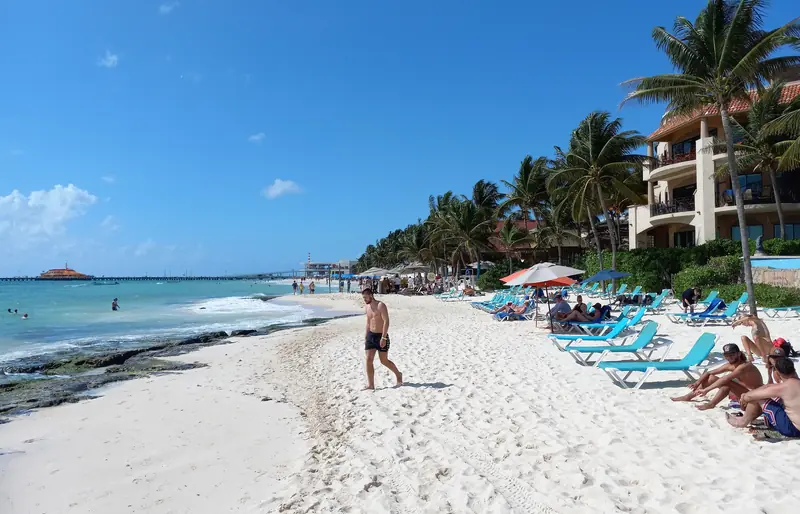
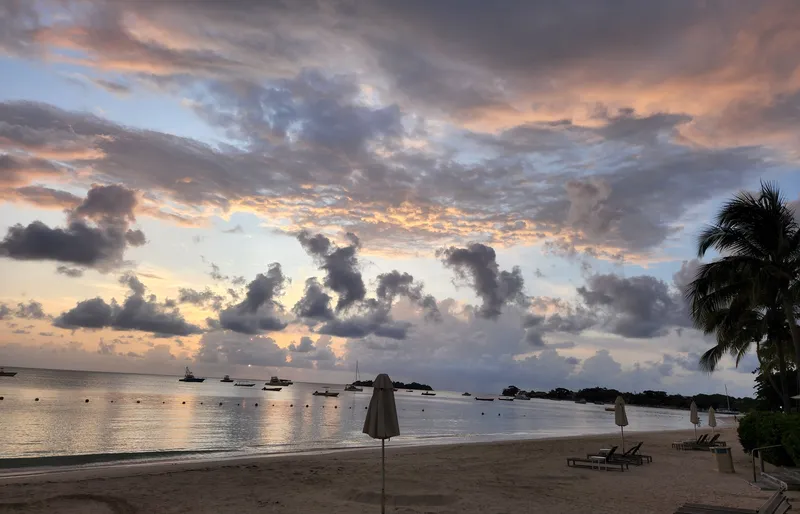
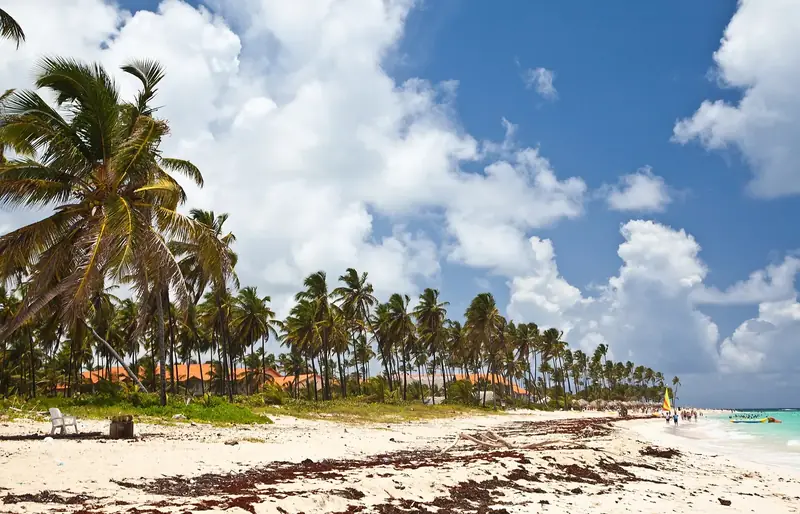
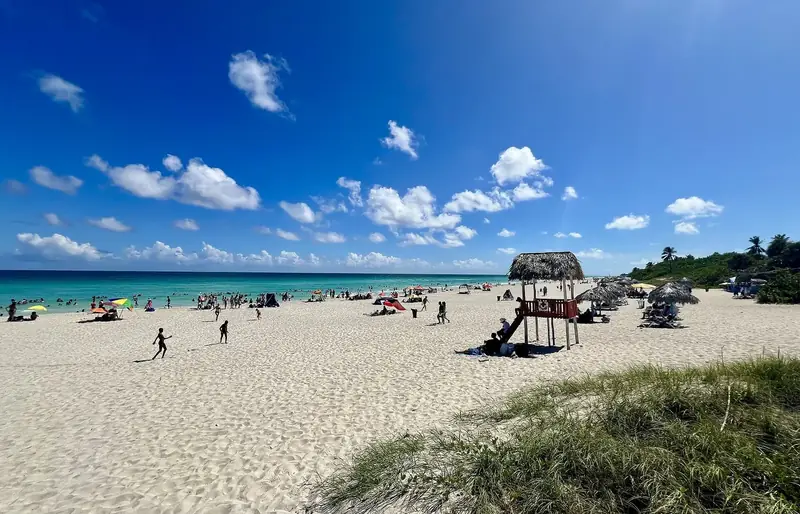
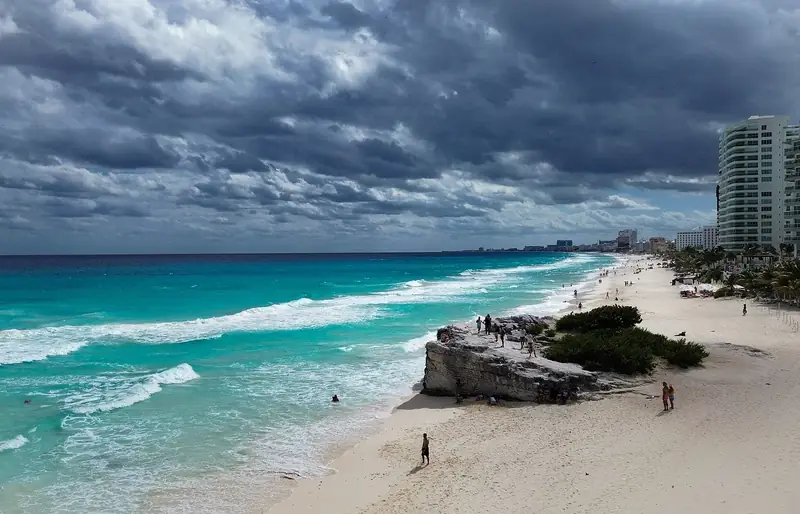
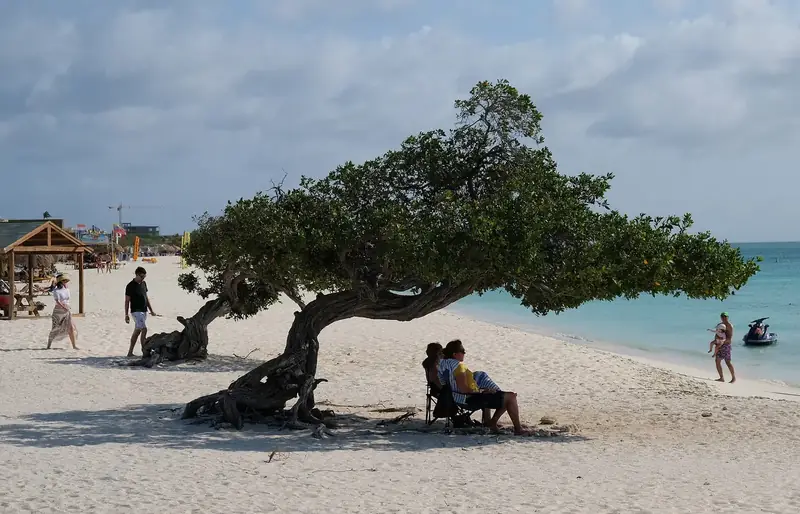
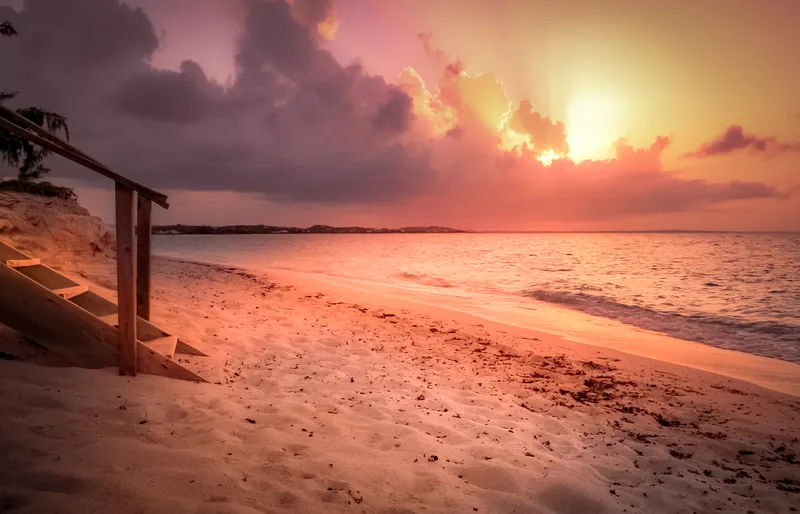
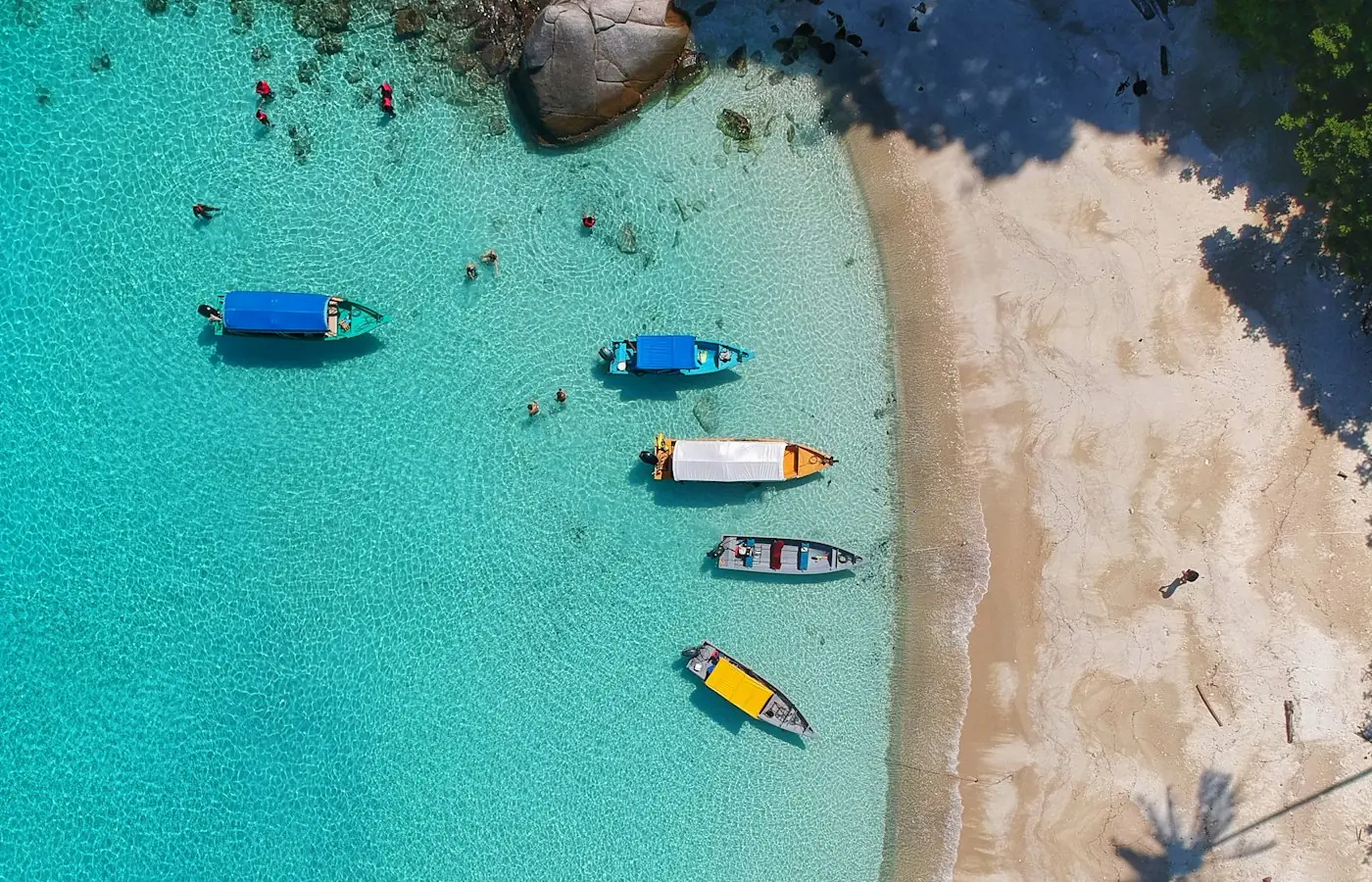
The Caribbean is a region of islands and mainland coasts set around the Caribbean Sea, stretching from the Bahamas in the north to the southern islands off South America and the eastern Windward chain. It is known for warm water, coral reefs, sandy beaches and a climate that draws Canadians through the winter months.
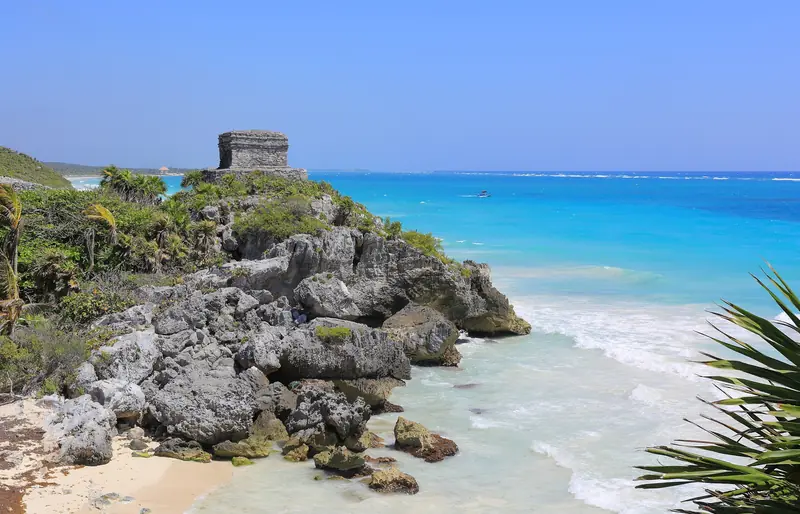
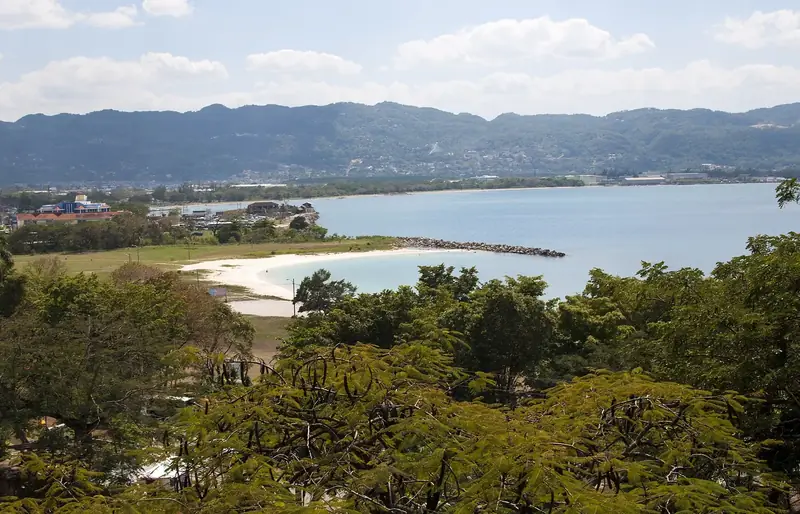
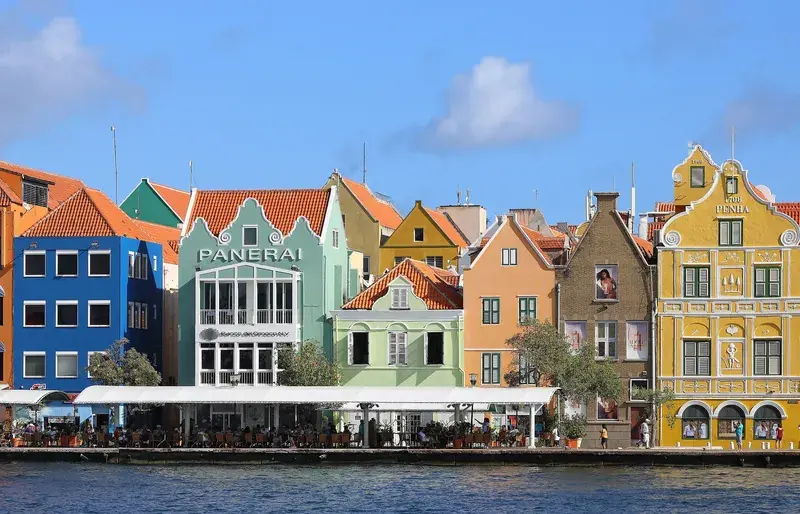
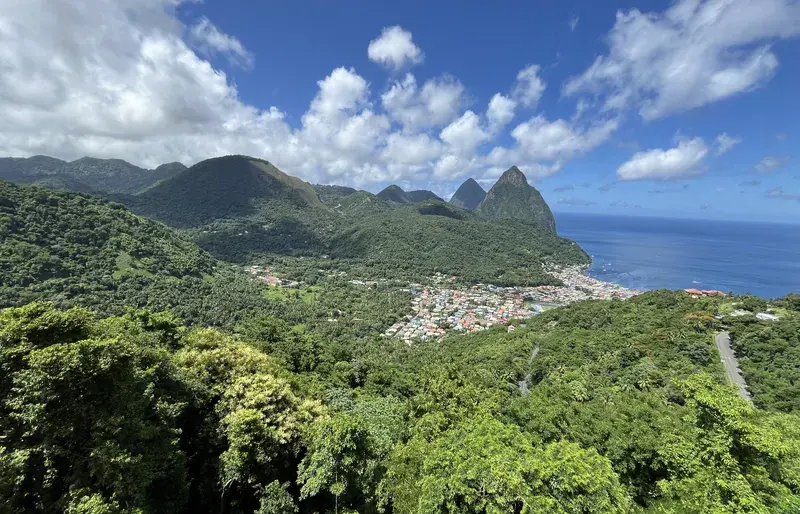
Each island has its own character, shaped by different languages, histories and landscapes. You will find English, Spanish, French and Dutch spoken across the region, along with Creole languages, and everything from flat coral islands to volcanic peaks rising out of the sea.
A short history
The first peoples of the Caribbean arrived thousands of years ago, travelling by canoe from South America and settling islands across the region. The Taíno and the Kalinago, also called Island Caribs, were among the peoples living here when Europeans arrived in the late 15th century, and their descendants and legacies remain part of the region today.
From the 16th century onward, European powers including Spain, Britain, France and the Netherlands claimed colonies across the Caribbean. The plantation economy was built on the forced labour of enslaved Africans, whose descendants shape much of the region's culture and identity. Most Caribbean nations gained independence in the 20th century, and today the region is a mix of independent states and territories with ties to other countries.
Places to start
Most Canadian travellers pick one island or coast as a base rather than island-hopping, since ferries and inter-island flights take planning. Well-known starting points include Jamaica, the Dominican Republic, the Bahamas, Cuba and Barbados, each with its own pace and personality.
If you want quieter beaches, consider the smaller eastern Caribbean islands. If you want resorts with everything in one place, the larger islands of the Greater Antilles and the nearby Mexican coast have many options. The southern Dutch-Caribbean islands sit outside the main hurricane belt, though official notices still apply.
Food and culture
Caribbean cooking reflects the region's African, Indigenous, European and South Asian roots. Look for jerk chicken in Jamaica, rice and peas across the English-speaking islands, roti in Trinidad and Guyana-influenced kitchens, fresh fish almost everywhere, and tropical fruit like mango, papaya and soursop. Music runs deep here too, from reggae and calypso to salsa and soca, and Carnival celebrations light up islands across the region at different times of year.
When to go
Many travellers from Canada visit in winter and early spring, when the weather is warm and dry and the trip offers a break from the cold at home. The official Atlantic hurricane season runs from 1 June to 30 November, though storms can happen outside those dates. The southern Caribbean tends to see fewer direct hits than some northern and western islands, but check official advisories for your specific destination before you book.
Before you go
These pages are starting points already on this site, not a complete list of the region, and not a ranking. Hours, weather and entry rules change; check official sources before you go. For travel advice, start with the Government of Canada's Travel advice and advisories.
Related region guides: Mexico · United States · Central America.
Related tips: Winter sun escapes from Canada · March break trip ideas · Best time to visit the Caribbean · All-inclusive basics.
Best time to go
Many travellers from Canada use the winter and early spring months. The official Atlantic hurricane season, covering the Atlantic, the Caribbean Sea and the Gulf of Mexico, runs from 1 June to 30 November (U.S. National Hurricane Center). Storms can occur outside those dates. The southern Caribbean is affected less often than some northern and western islands, but official notices still apply.
Getting there from Canada
Seasonal and year-round flights leave from several Canadian cities, most often Toronto and Montreal, to gateways such as Punta Cana, Montego Bay, Cancun (on the nearby Mexican coast), Barbados, Nassau and others. Some islands need a connection through a U.S. or regional hub.
Official travel advice
Use the Government of Canada travel advice page for each country on your itinerary (for example, Jamaica, the Bahamas, the Dominican Republic, Cuba, Barbados, or the other states and territories linked from travel.gc.ca).
Search flights, cars, tours and airport rides under Plan your trip below. Checkout is on the partner's site.