What Mexico is known for
Mexico sits between the United States and Central America, with a long Pacific coast on one side and Gulf and Caribbean shores on the other, and a highland capital set in the Valley of Mexico. For Canadian travellers, it is a familiar winter-sun destination, but it is also a country of ancient cities, colonial towns, mountain highlands and desert landscapes.
The country is home to some of the world's most studied archaeological sites, from the pyramids of Teotihuacan near Mexico City to the Maya cities of Chichen Itza and Palenque. Traditional Mexican cuisine is inscribed on UNESCO's list of the intangible cultural heritage of humanity, and the country's regional food, music and festivals vary widely from one area to the next.
A short history
People have lived in what is now Mexico for thousands of years, and several major civilizations rose here long before European contact. The Olmec developed along the Gulf coast, the Maya flourished in the southeast and into Central America, and the Mexica (Aztec) built their capital, Tenochtitlan, on an island in the Valley of Mexico, where Mexico City stands today.
Spanish forces under Hernan Cortes took Tenochtitlan in 1521, and the territory spent roughly three centuries as the colony of New Spain. Mexico gained independence in 1821, and a revolution that began in 1910 reshaped the country's politics and society. Today's Mexico is a federal republic whose Indigenous heritage remains visible in its languages, archaeology, food and living traditions.
Places to start
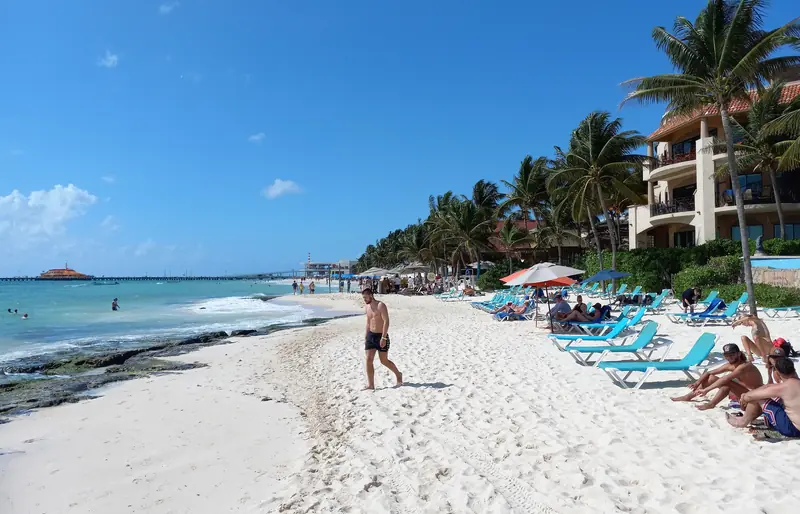
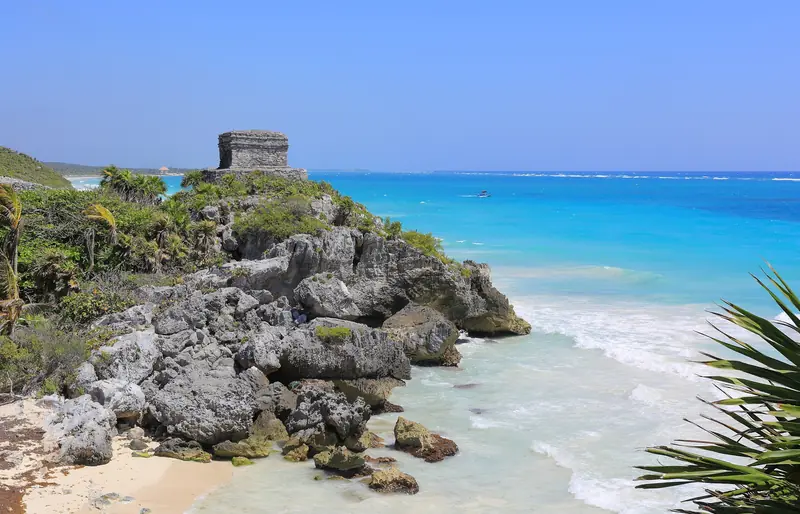
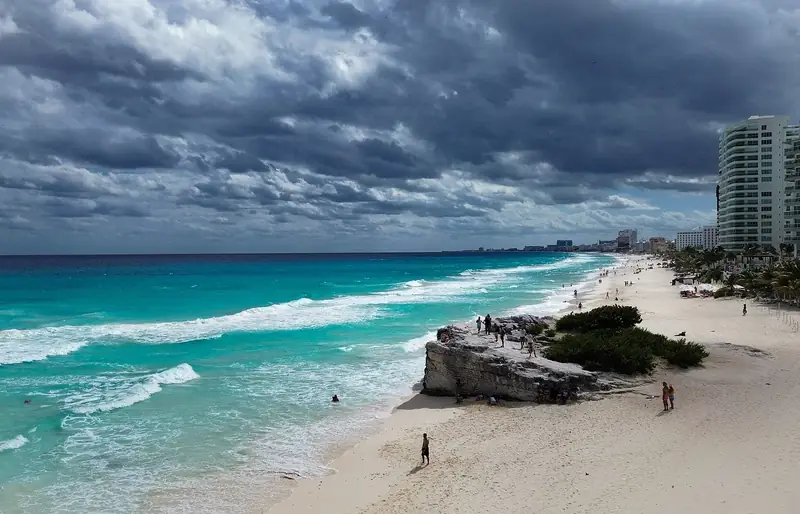
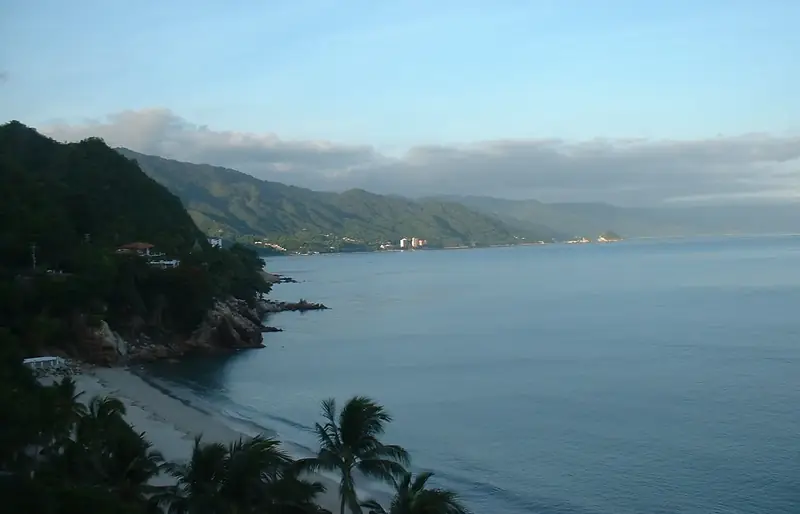
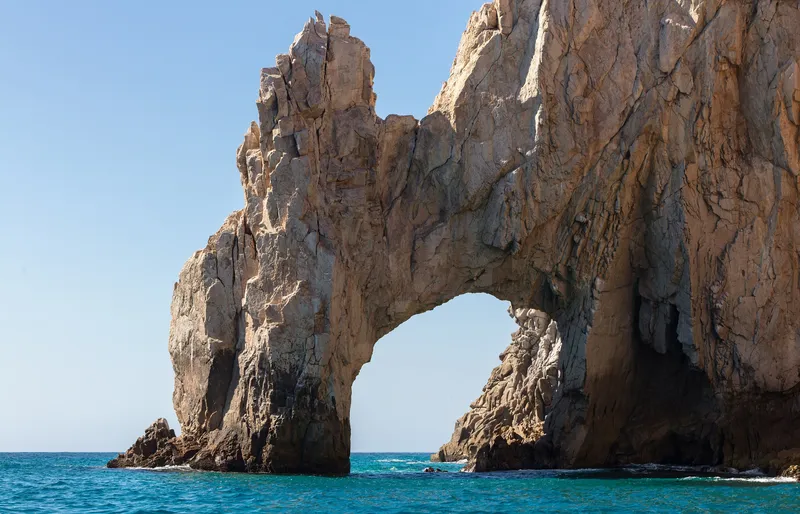
Most first trips from Canada fall into three broad patterns, and each works best as its own trip rather than a quick hop between them. On the Caribbean side, Cancun and the Riviera Maya in Quintana Roo combine beaches with day trips to archaeological sites such as Tulum and Chichen Itza. On the Pacific, Puerto Vallarta on Banderas Bay and Los Cabos at the southern tip of the Baja California peninsula are long-established resort areas with their own character.
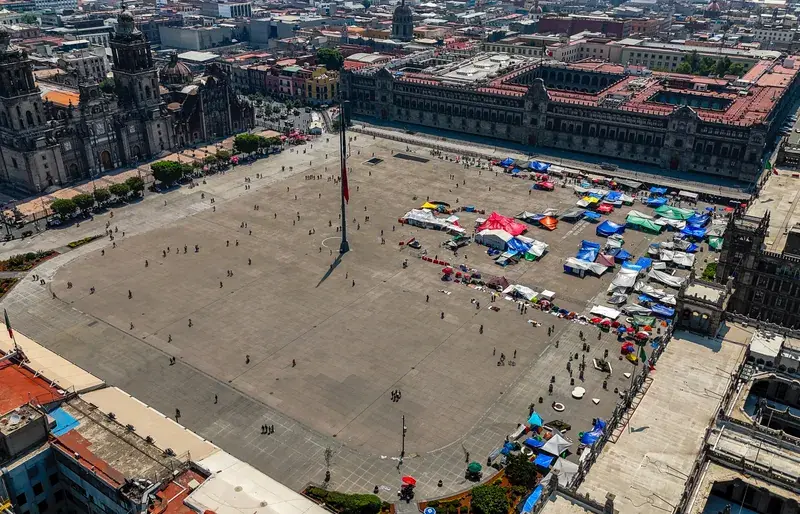
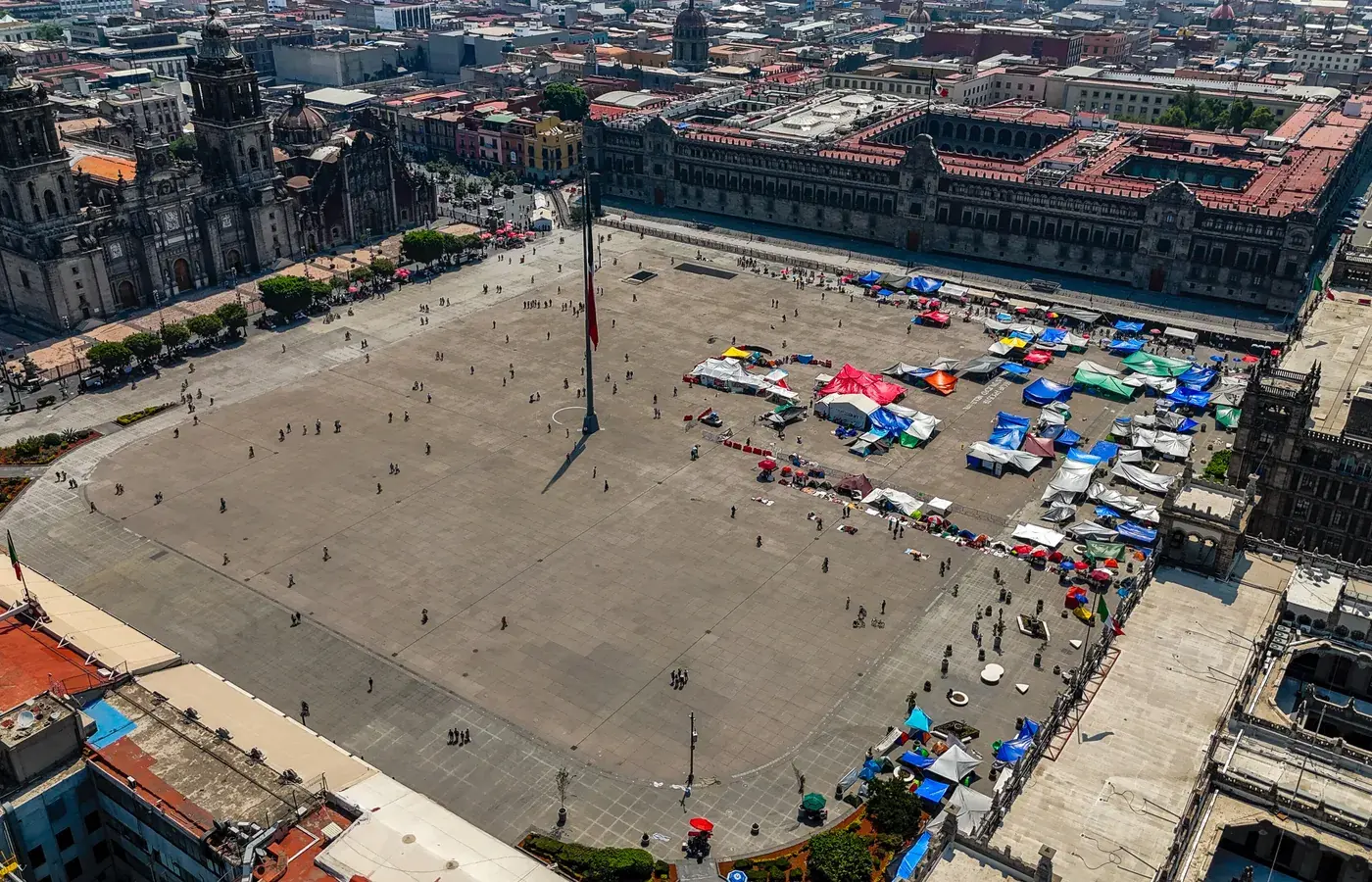
Mexico City offers a different kind of visit: a vast highland capital with a historic centre, major museums such as the National Museum of Anthropology, and the ancient city of Teotihuacan within reach for a day trip. Colonial cities inland, including places like Oaxaca and San Miguel de Allende, reward travellers who want food, crafts and architecture over beach time. This site covers some of these starting points in depth, not the whole country, and the guides here are a starting set rather than a ranking.
Food and culture
Food changes markedly by region, and trying the local version of a familiar dish is part of the pleasure of travelling here. Coastal areas lean on seafood, while dishes such as mole are closely tied to states like Oaxaca and Puebla, and tacos, tamales and pozole appear in regional forms across the country. Festivals are woven into the calendar, with Day of the Dead at the start of November among the most widely known, and music traditions such as mariachi remain part of public life. As with anywhere, hours, schedules and event dates change, so check official local sources before you go.
When to go
The dry winter months are the usual season from Canada for both the Caribbean coast and much of the Pacific, when days are warm and rain is less frequent. The official Atlantic hurricane season runs from 1 June to 30 November and matters for the Caribbean and Gulf coasts, while the official eastern Pacific season, mid-May to November, matters for the west coast. Mexico City, on a high plateau, keeps milder temperatures year-round with its own dry and rainy periods. Shoulder seasons can bring fewer crowds, but weather varies by region, so check forecasts and official advisories, including the Government of Canada's travel advice, before you go.
Before you go
These pages are starting points already on this site, not a complete list of the country, and not a ranking. Hours, weather and entry rules change; check official sources before you go. For travel advice, start with the Government of Canada's Travel advice and advisories.
Related region guides: Caribbean · United States · Canada · Central America.
Related tips: Winter sun escapes from Canada · March break trip ideas · All-inclusive basics.
Best time to go
The dry winter is the usual season from Canada for both the Caribbean coast (Cancun and the Riviera Maya) and much of the Pacific (Puerto Vallarta, Los Cabos). The official Atlantic hurricane season (1 June to 30 November) matters for the Caribbean and Gulf; the official eastern Pacific season (mid-May to November) matters for the west coast. Mexico City, on a high plateau, has its own dry and rainy periods.
Getting there from Canada
Flights from Canada often arrive nonstop, in season, at Cancun, Puerto Vallarta, Los Cabos and Mexico City, with other gateways used via a connection. Each coastal resort and the capital are far apart; they are separate trips, not day hops.
Official travel advice
Read the Government of Canada's Mexico travel advice before you go. Rules and conditions can change.
Search flights, cars, tours and airport rides under Plan your trip below. Checkout is on the partner's site.