
What United States is known for
The United States stretches from the Atlantic Ocean to the Pacific Ocean, with Alaska in the far northwest and Hawaii in the Pacific. It is a country of enormous variety: dense coastal cities, vast deserts, mountain ranges, prairie farmland and long shorelines. Fifty states make up the union, each with its own character, and many Canadians know at least a few of them well through family visits, winter escapes and road trips.
Travellers come for many reasons. Some want big cities with museums, live music and famous skylines; others want national parks, canyon country, beaches or autumn foliage. The country is also home to the world's first national park system, beginning with Yellowstone in 1872, and its parks, monuments and historic sites remain a major draw.
A short history
Long before European contact, Indigenous peoples lived across every part of what is now the United States, from the Ancestral Puebloans of the Southwest to the nations of the Great Plains, the Eastern Woodlands and the Pacific coast. Their histories, languages and traditions continue today, and many sites, museums and tribal lands offer visitors a chance to learn more.
Spain, France, Britain and others established colonies along the coasts and inland waterways from the 1500s onward. Thirteen British colonies declared independence in 1776, and the new republic expanded westward across the continent through the 1800s. The country grew through immigration, was divided by a civil war in the 1860s, and emerged in the twentieth century as a global power. Hawaii became the fiftieth state in 1959.
Places to start
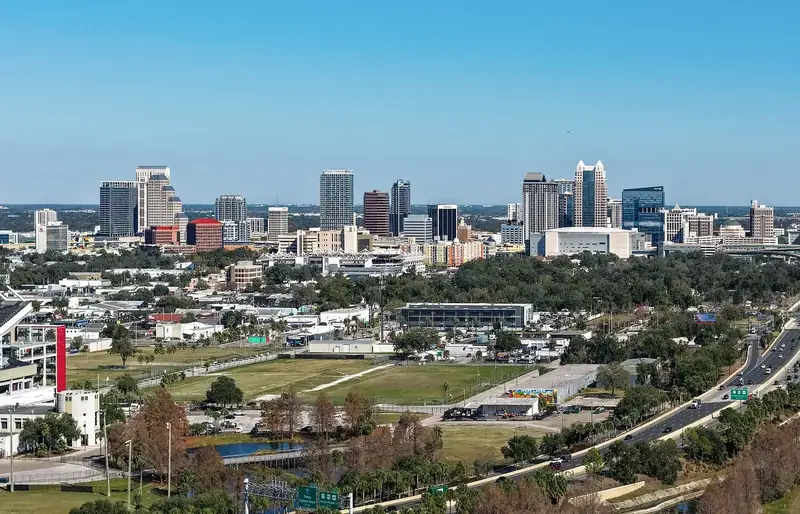
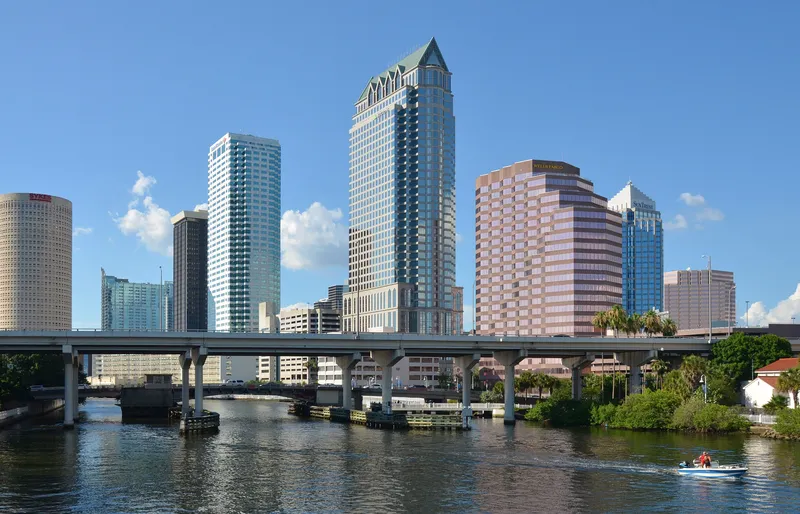
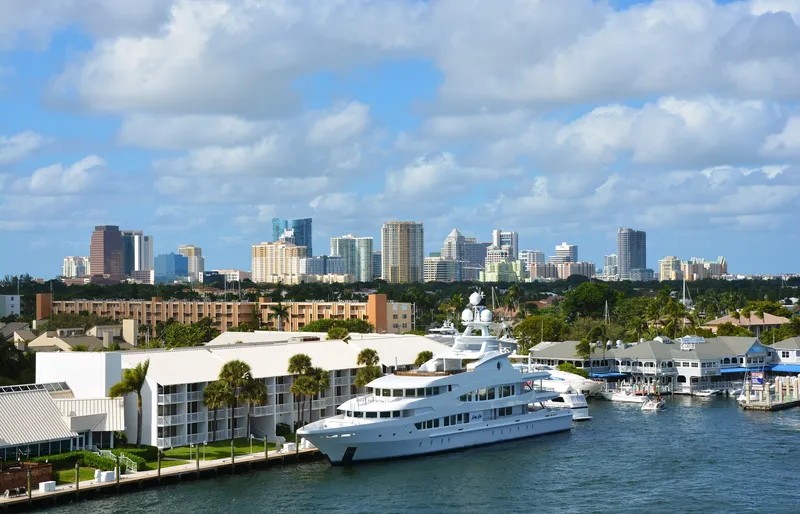
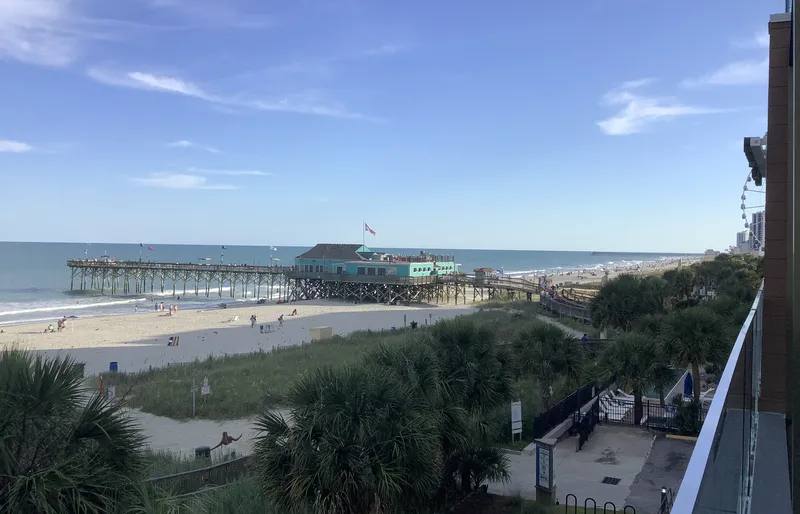
Because the country is so large, it helps to pick one region rather than trying to cover everything in a single trip. The Northeast offers cities like New York and Boston along with coastal New England towns and fall colour drives. The Southeast draws Canadians to Florida's beaches and theme park country around Orlando, while the Gulf and Atlantic coasts mix warm-weather cities with historic districts.
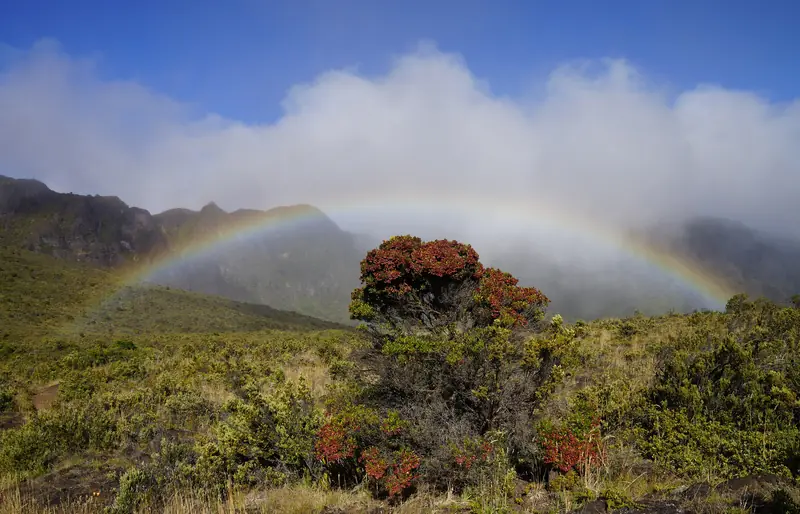
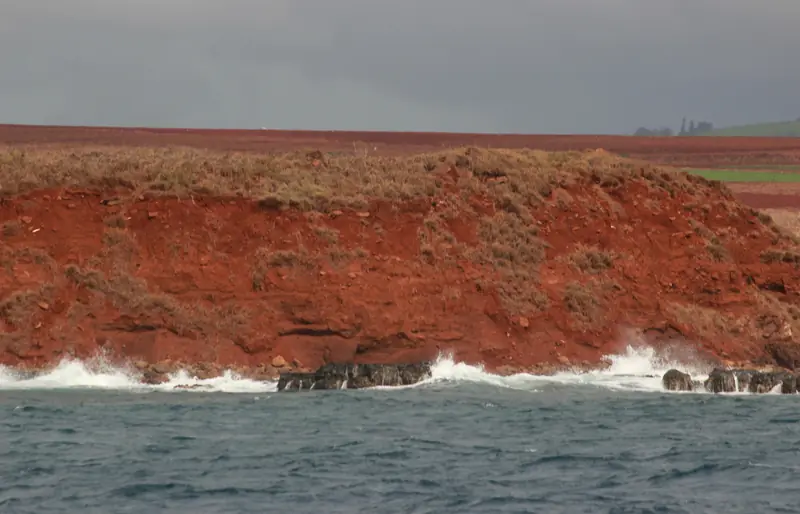
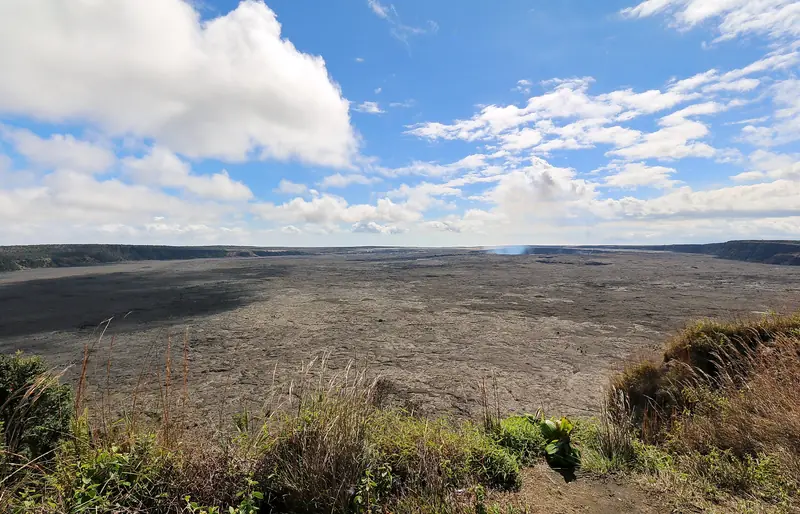
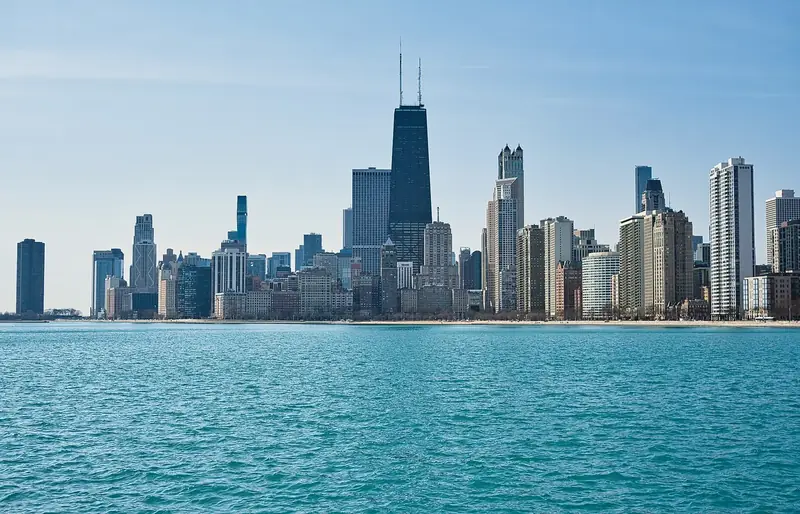
Farther west, Chicago anchors the Great Lakes region, and the Southwest is known for desert landscapes and national parks such as the Grand Canyon. The West Coast runs from Seattle through San Francisco to Los Angeles and San Diego, with redwood forests, wine country and long stretches of Pacific shoreline. Hawaii, covered in its own hub on this site, adds volcanic islands, beaches and a distinct culture in the middle of the Pacific. National park hours, reservations and road conditions change, so check official park pages before you go.
Food and culture
American food is really a collection of regional tables. New England is known for clam chowder and lobster, the South for barbecue, gumbo and fried chicken, the Southwest for Tex-Mex and dishes built on Indigenous and Mexican roots, and the coasts for seafood of every kind. Cities everywhere reflect waves of immigration, so you can eat your way around the world in a single neighbourhood. Culturally, the country gave the world jazz, blues, rock and roll and hip hop, and its museums, theatres, ballparks and music venues are part of the trip for many visitors.
When to go
There is no single best season for the whole country, since the climate ranges from tropical Hawaii and Florida to the snowy northern states and the dry desert Southwest. Spring and autumn suit many regions, with milder temperatures and, in the Northeast, colourful fall foliage. Summer is peak season for national parks and northern cities, while winter draws Canadians south to Florida, Arizona, California and Hawaii for warmth. For Atlantic and Gulf coasts, the official Atlantic hurricane season runs from 1 June to 30 November, so check forecasts and official notices for the state you plan to visit before you travel.
Before you go
This is not a complete list of the country, and not a ranking. Hawaii now has its own hub, covering Honolulu, Maui, Kauai and the Big Island, see Hawaii. Hours, weather and entry rules change; check official sources before you go. For travel advice, start with the Government of Canada's Travel advice and advisories.
Related region guides: Canada · Mexico · Caribbean · Hawaii · Central America.
Related tips: Winter sun escapes from Canada · Fall colours road trips · March break trip ideas.
Best time to go
The United States spans many climates. Florida and the Southwest have a different 'best window' than New England or the Pacific Northwest. For Atlantic and Gulf coasts, the official Atlantic hurricane season is 1 June to 30 November. Check a forecast and official notices for the specific state you will visit.
Getting there from Canada
Flights from Canada serve a long list of U.S. gateways, including New York, Chicago, Los Angeles, Miami, Orlando, Boston, Seattle and many others, from hubs such as Toronto, Montreal, Vancouver and Calgary. Land crossings are a separate plan; see our tip on driving to the United States and official CBSA and U.S. entry pages.
Official travel advice
Read the Government of Canada's United States travel advice before you go. Rules and conditions can change.
Search flights, cars, tours and airport rides under Plan your trip below. Checkout is on the partner's site.