

A gentle note before you plan
This is a planning note, not a list of the best Christmas markets and not a schedule. Many European cities host Christmas or Advent markets in late November and December, and some run into early January. They are a lovely way to experience a city in winter, with lights, music and stalls gathered in historic squares and old town centres.
Opening dates, hours, ticket rules and closures change from year to year. Confirm them on official city, market or tourism pages for the place you will visit, since we do not list those dates here.
What the markets are like
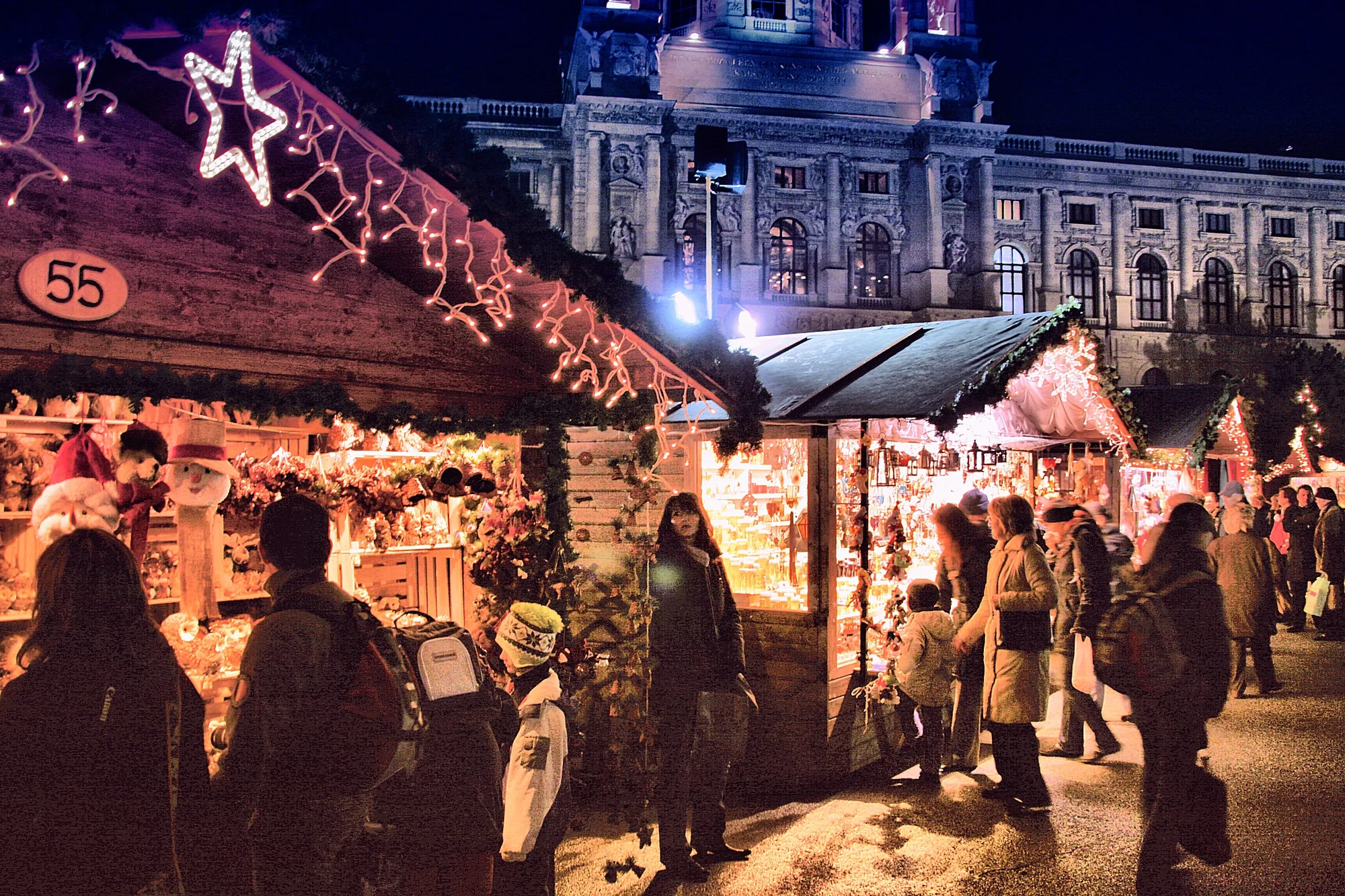
Most markets are made up of small wooden stalls selling handmade ornaments, candles, toys and local crafts, alongside food stands and warming drinks. Well-known seasonal treats include Glühwein (mulled wine) in Germany and Austria, Lebkuchen (gingerbread) from Nuremberg, roasted chestnuts, chimney cake in Budapest and trdelník in Prague. Public squares, cathedral grounds and old town streets are common settings.
Weather shapes the experience. Winter days are short in northern Europe, with darkness falling in the afternoon, so much of the atmosphere happens after sunset under the lights. Dress warmly in layers, with waterproof footwear for cobblestones, slush and occasional rain or snow.
Markets are busiest on weekends and in the evenings. If you prefer quieter browsing, weekday daytime visits are usually calmer. Smaller stalls may prefer cash, so it is wise to carry some local currency alongside a card.
Choosing a base
City guides on this site that are often used as a base in this season include Vienna, Prague, Berlin, Budapest, Copenhagen, Paris and London. Each has a different character, from Vienna's grand squares and classical music tradition to Copenhagen's cosy winter cafés and Prague's medieval old town. See the Europe hub for the full list of European starting points on this site.
Travellers with more time sometimes pair two or three nearby cities by train, since many European market cities sit on well-connected rail lines. Pick fewer stops and stay longer if you want a slower trip, especially in peak December weeks.
Before you go
Entry rules are not the same in every European country, and they can change. Start with the Government of Canada's Travel Advice and Advisories for each country on your itinerary, and review the Government of Canada's travel documents guidance for Canadians, including passport validity requirements for your destinations. Check the official sources again close to departure.
Travel insurance still matters in winter, when storms can disrupt flights and trains. See travel insurance basics for Canadians on this site for what to look for; this site does not sell insurance and does not book trips.
Winter packing for market season means a warm coat, hat, gloves and footwear with grip, plus room in your luggage for gifts on the way home. Bring any regular medication in your carry-on, and keep copies of key documents separate from the originals.
Flying with market purchases
Liquids in carry-on bags are restricted. Gifts such as bottled mulled wine, jams or preserves generally belong in checked luggage rather than your carry-on.
Your airline sets its own baggage allowances, size limits and fees, and these vary by carrier and fare. Check your airline's official baggage page before you travel so a suitcase full of ornaments and treats does not surprise you at the airport.
Fragile ornaments travel best wrapped in clothing in the centre of your checked bag. Keep receipts for what you buy, since you will want them at the border.
Coming home to Canada
When you return to Canada, you must declare goods you bought abroad, including market gifts, food and decorations. The Canada Border Services Agency (CBSA) explains personal exemptions and how declaration works; check the CBSA's official guidance before you travel so you know where you stand.
Some items, particularly certain foods and plant or animal products, face restrictions at the Canadian border. The CBSA and the Canadian Food Inspection Agency publish what can and cannot be brought in, so look up anything edible before you pack it.
For more on the return process, see ArriveCAN, customs and duty-free basics on this site. A little preparation on the way home keeps the end of a winter trip as pleasant as the markets themselves.
Related: Vienna · Prague · Berlin · Budapest · Copenhagen · Paris · London · Europe · Travel advice and advisories · travel documents for Canadians · travel insurance basics for Canadians · ArriveCAN, customs and duty-free basics.