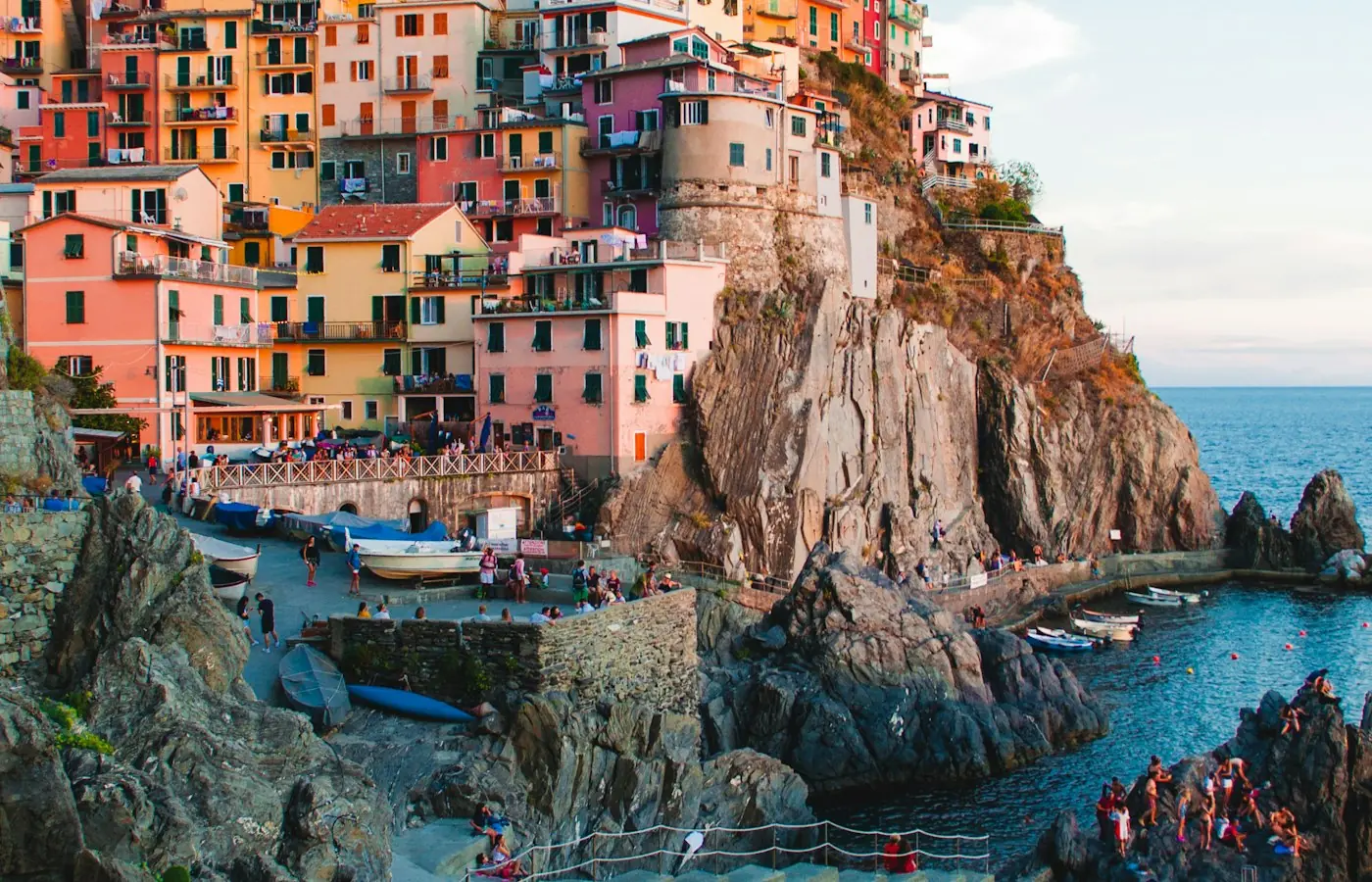
What Europe is known for
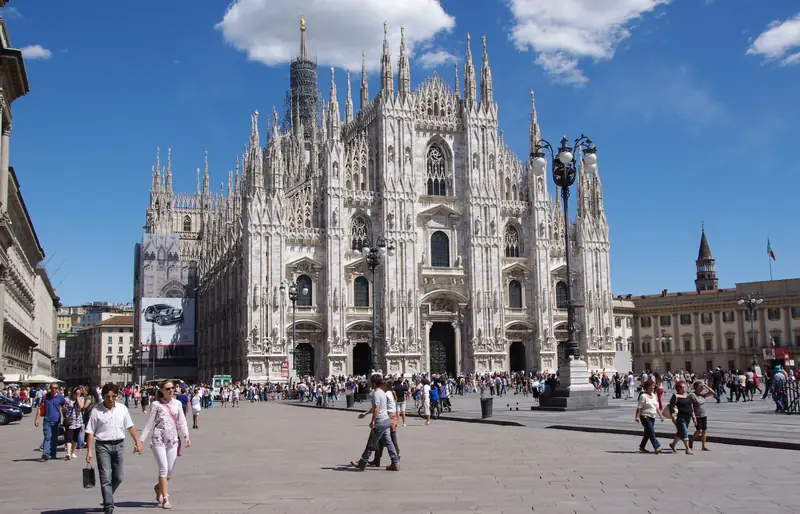
Europe is a continent of many small countries packed close together, each with its own language, food, and way of doing things. For Canadian travellers, it often means walkable old city centres, efficient trains between major towns, and layers of history visible in the streets, from Roman ruins to medieval churches to grand nineteenth-century boulevards.
The continent stretches from Atlantic islands like Iceland and Ireland to the Mediterranean coasts of Spain, Italy, and Greece, and from the fjords of Scandinavia down to the Adriatic. It is not one place but many, and even neighbouring countries can feel quite different from one another.
A short history
People have lived in Europe for tens of thousands of years, leaving behind cave paintings in France and Spain, stone monuments like Stonehenge in England, and early farming settlements across the continent. Ancient Greece gave Europe foundations in philosophy, theatre, and democratic government, while the Roman Empire later connected much of the continent with roads, law, and cities that still shape maps today.
After Rome fell, Europe saw the rise of medieval kingdoms, the building of great cathedrals, and centuries of shifting borders and alliances. The Renaissance brought renewed interest in art and learning, while later centuries saw overseas exploration, industrial change, and two world wars. Many of today's European countries are relatively young as unified states, and the European Union now links twenty-seven member nations in shared institutions, though not every country on the continent belongs.
Places to start
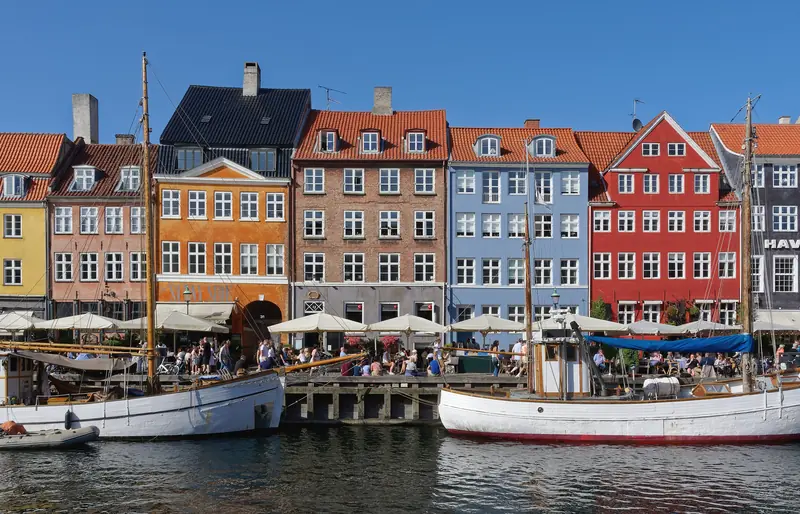
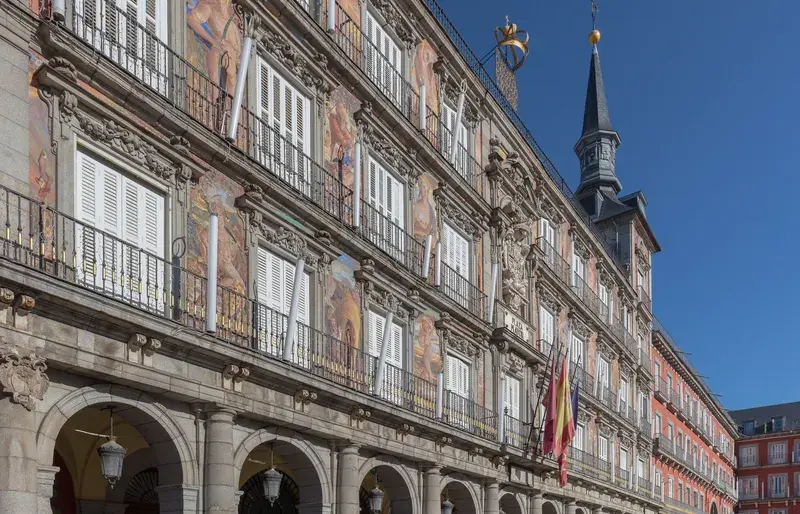
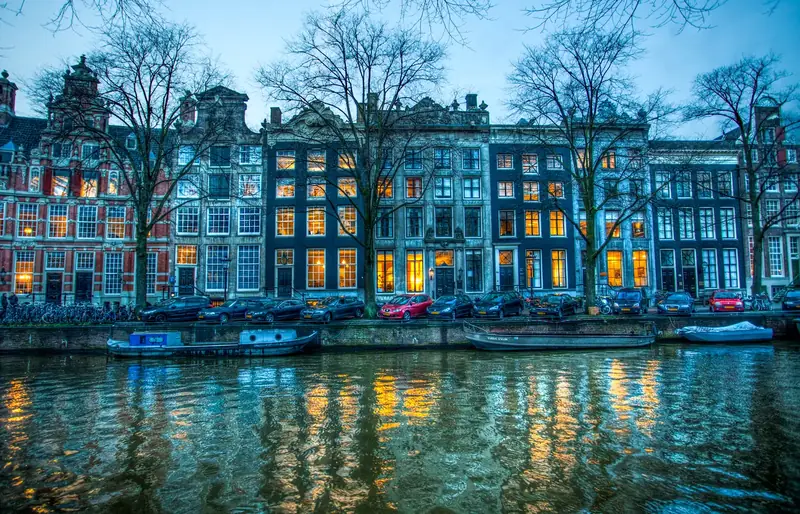
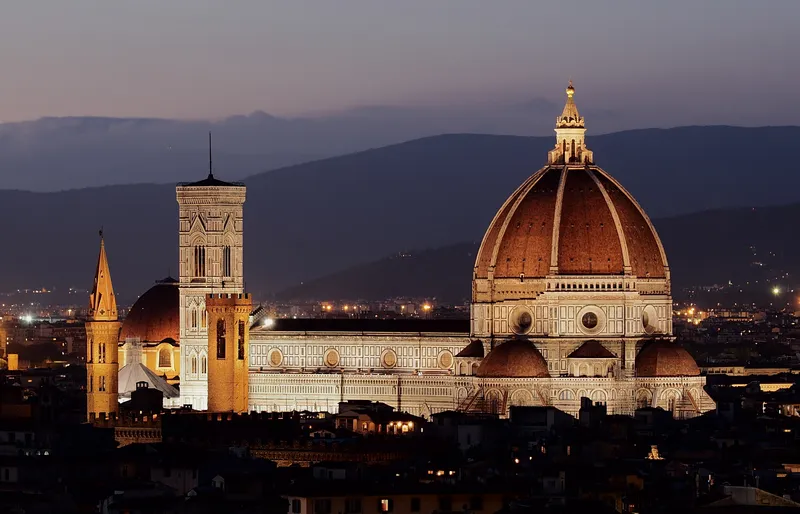
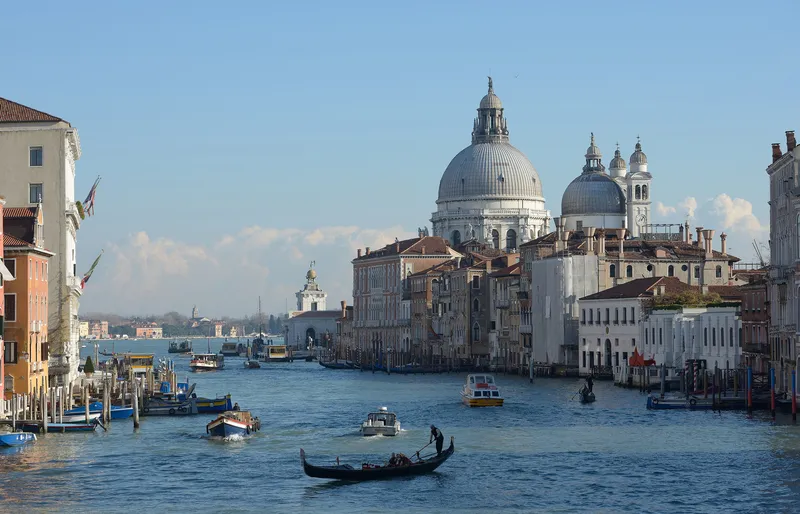
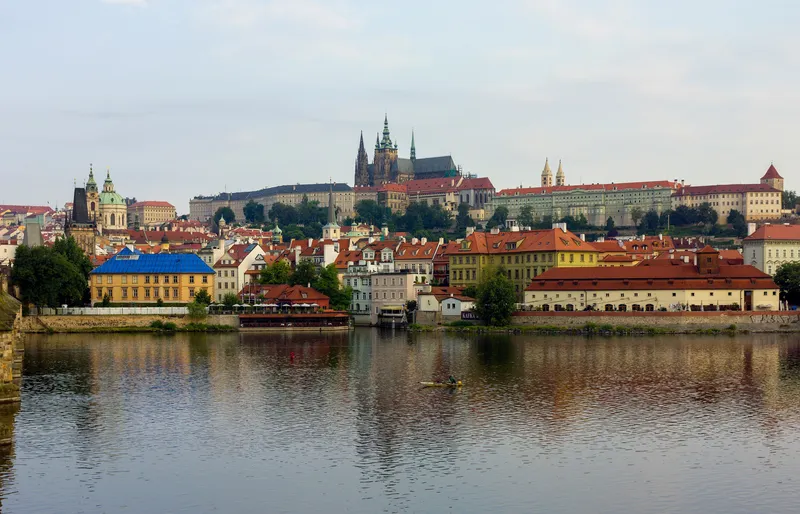
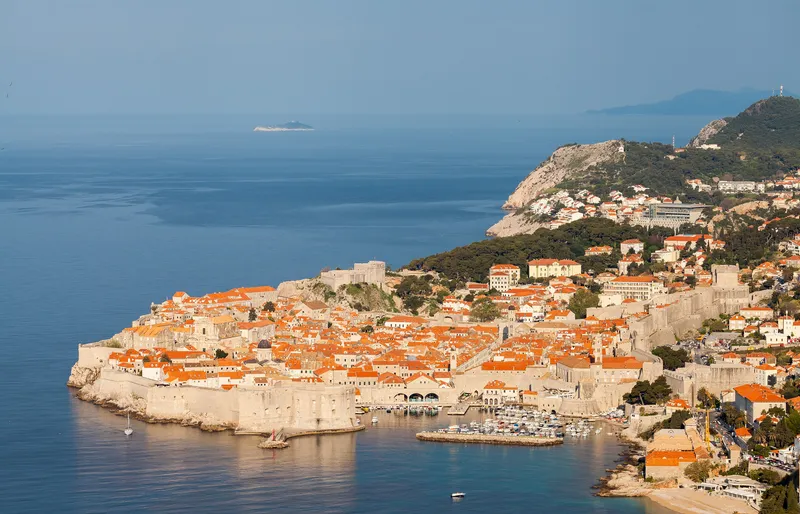
Most Canadian travellers begin with a single city or a small cluster reachable by train. London, Paris, Rome, and Amsterdam are common first trips, each offering major museums, historic neighbourhoods, and easy day trips. Beyond those, popular choices include the cities of Iberia such as Barcelona, Madrid, and Lisbon; Central European capitals like Prague, Vienna, and Budapest; the Scandinavian cities of Copenhagen, Stockholm, and Oslo; and the Greek islands or the Adriatic coast of Croatia.
For a first visit, many travellers find it more rewarding to spend several nights in one or two places rather than racing through a long list. A city like Paris can easily fill a week, and smaller towns and countryside are often a short train ride away. The guides linked below cover the European cities and islands already on this site and can help you choose a manageable trip.
Food and culture
Food varies enormously across the continent, and part of the pleasure of travelling here is noticing the differences. France is known for bread, cheese, and pastries; Italy for pasta, pizza, and regional dishes that change from one province to the next; Spain for tapas and late dinners; Greece for olive oil, grilled fish, and fresh salads. Central Europe offers sausages, dumplings, and hearty stews, while Scandinavia has its own traditions of open-faced sandwiches, smoked fish, and baked goods. Coffee culture, market halls, and neighbourhood bakeries are part of daily life in most cities, and sitting down for a long meal is often the point rather than a pause between sights.
When to go
Late spring and early fall are often comfortable for city walking in much of western and central Europe, with mild temperatures and fewer crowds than midsummer. Midsummer itself is warmer and busier, and northern cities enjoy very long days. Winters are cold in some cities and simply damp and short-day in others; Christmas and Advent markets typically run in late November and December in many cities, though exact dates change each year, so check official local pages before you plan around them. Southern Europe, including Italy, Spain, Greece, and Croatia, has hotter summers and milder winters than Scandinavia or Scotland, so the best season depends on where you are headed.
Before you go
These pages are city and island starting points already on this site, not a complete list of the continent, and not a ranking. Hours, holidays and entry rules change; check official sources before you go. For travel advice, start with the Government of Canada's Travel advice and advisories.
Related region guides: Canada · United States.
Related tips: Christmas markets in Europe · Passport renewal basics.
Best time to go
Late spring and early fall are often comfortable for city walking in much of western and central Europe. Midsummer is warmer and busier, with long days in the north. Winters are cold or simply short-day and wet, depending on the city; Christmas and Advent markets typically run in late November and December in many cities (dates change; use official local pages). Southern Europe (Italy, Spain, Greece, Croatia) has a hotter summer and a milder winter than Scandinavia or Scotland.
Getting there from Canada
Flights from Canada often arrive nonstop at London, Paris, Amsterdam, Frankfurt or other large hubs, then continue by official rail or a short connecting flight. Some Canadian cities also have seasonal nonstops to other European gateways already on this site.
Official travel advice
Entry rules are not the same in every European country. Use the Government of Canada travel advice for each country on your itinerary, and check official pages for passport-validity and any visa or electronic-authorization rules that apply to you.
Search flights, cars, tours and airport rides under Plan your trip below. Checkout is on the partner's site.